
Animals With Scales: 20 Amazing Animals With Protective Scales
Animals with scales are fascinating creatures found in oceans, rivers, forests, deserts, and grasslands worldwide. Scales are protective structures that cover the bodies of many animals, helping them survive in different environments.
Fish, reptiles, and certain mammals have scales that serve various purposes, including protection, movement, and moisture control. Some scales are smooth and shiny, while others are rough, thick, or overlapping. From snakes and crocodiles to pangolins and fish, these animals have unique adaptations that make them well suited to their habitats.
What Are Scales in Animals?
Scales are small, thin, or sometimes thick protective structures covering the skin of many animals. Their shapes, sizes, and materials vary depending on the species. Fish generally have scales made of bone or similar tissues, while reptile scales are primarily made of keratin, the same protein found in human hair and nails.
Scales can protect animals from injuries, reduce water loss, and support movement. In aquatic animals, they may also help reduce friction while swimming. These structures are important adaptations that allow animals to survive in challenging environments.
Why Do Animals Have Scales?
Animals have scales for several important reasons, including protection, water conservation, and movement. Scales can act as a barrier against predators, rough surfaces, and environmental conditions. In reptiles, they help reduce moisture loss, which is particularly useful in dry habitats. Fish scales protect delicate skin and sometimes help reduce resistance while swimming.
Some animals also use their scales as camouflage, blending into their surroundings to avoid predators or approach prey. The specific purpose of scales depends on the animal’s species, habitat, and lifestyle.
Snakes
Snakes are reptiles covered in overlapping scales that protect their bodies and help them move across different surfaces. Their scales are made primarily of keratin and vary in texture, color, and size. Some snakes have smooth, shiny scales, while others have rough scales that provide additional grip. Snakes periodically shed their outer skin as they grow.
Their scales also help reduce water loss and provide camouflage in forests, deserts, and grasslands. From tiny garden snakes to enormous pythons, these animals rely on their scaly skin for survival.
Crocodiles
Crocodiles are large reptiles with thick, rugged scales that protect their bodies from injuries and environmental hazards. Their skin contains tough scales called scutes, and many species have bony plates beneath some of these structures. These protective features are especially prominent along their backs.
Crocodiles live in rivers, lakes, wetlands, and coastal habitats, where their scales help protect them during movement and encounters with other animals. Their dark, textured skin also helps them blend into muddy water and surrounding vegetation while waiting for prey.
Fish
Fish are among the most familiar animals with scales, although some fish species have little or no traditional scales. Many fish have overlapping scales that protect their skin while allowing flexible movement through water.
Common types include cycloid, ctenoid, and ganoid scales, each with different structures and characteristics. Scales can reduce injuries, support streamlined movement, and provide a protective barrier against parasites. Their colors and patterns may also help fish camouflage themselves or communicate with other members of their species in aquatic environments.
Pangolins
Pangolins are unusual mammals covered in large, overlapping scales made of keratin. These protective structures cover much of their bodies, including their tails, backs, and sides. When threatened, a pangolin can curl into a tight ball, using its scales as armor against predators. Pangolins eat ants and termites with their long, sticky tongues and powerful claws. They live in parts of Africa and Asia, where they inhabit forests, grasslands, and other environments. Despite their protective covering, pangolins face serious threats from illegal wildlife trafficking and habitat loss.
Lizards
Lizards are reptiles with scales covering most or all of their bodies. Their scales vary greatly in appearance, ranging from smooth and shiny to rough and spiky. These structures protect their skin, reduce moisture loss, and sometimes provide camouflage. Many lizards shed their skin as they grow, allowing fresh scales to replace the old outer layer. Some species, such as bearded dragons, have pointed scales that create a distinctive appearance. Lizards inhabit deserts, forests, rocky landscapes, and tropical regions, showing how adaptable scaly reptiles can be.
Turtles
Turtles are reptiles known for their protective shells, which are covered with hard plates called scutes in many species. These scutes are made of keratin and help protect the shell’s underlying structure. Their legs, tails, and heads may also have scales that provide additional protection. Different turtle species have different shell shapes and skin textures depending on their habitats and lifestyles. Land tortoises often have thick, sturdy limbs, while aquatic turtles have adaptations for swimming. Their scaly skin and protective shells help them survive in diverse environments.
Alligators
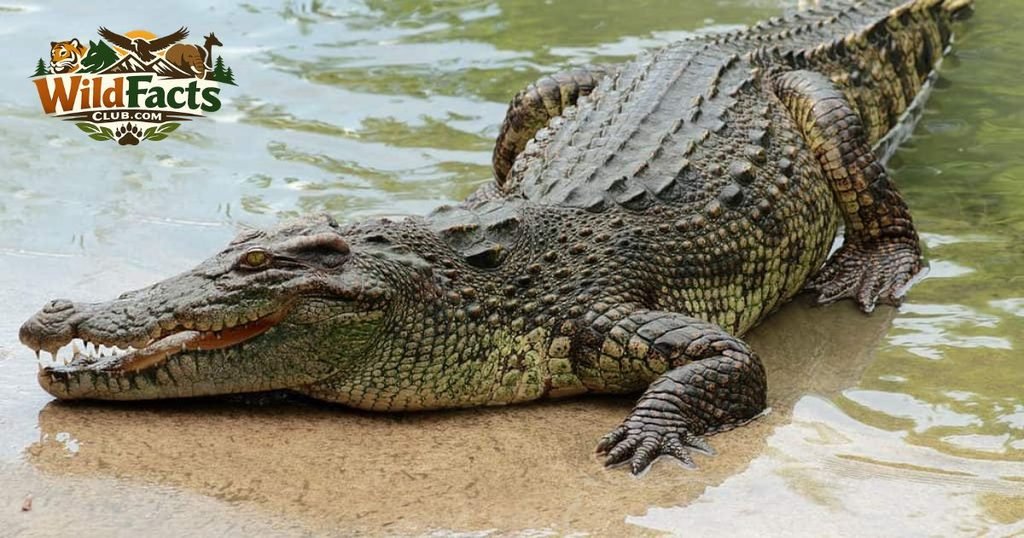
Alligators are large reptiles with thick, armored skin covered in scales and bony plates. Their bodies feature rows of raised scutes along the back and tail, providing protection and structural support. These scales help shield the animal from physical damage while moving through wetlands and shallow water.
Alligators have powerful jaws, muscular tails, and eyes positioned high on their heads, allowing them to remain mostly submerged while observing their surroundings. They live mainly in freshwater habitats, where their scaly bodies help them survive as effective aquatic predators.
Armadillos
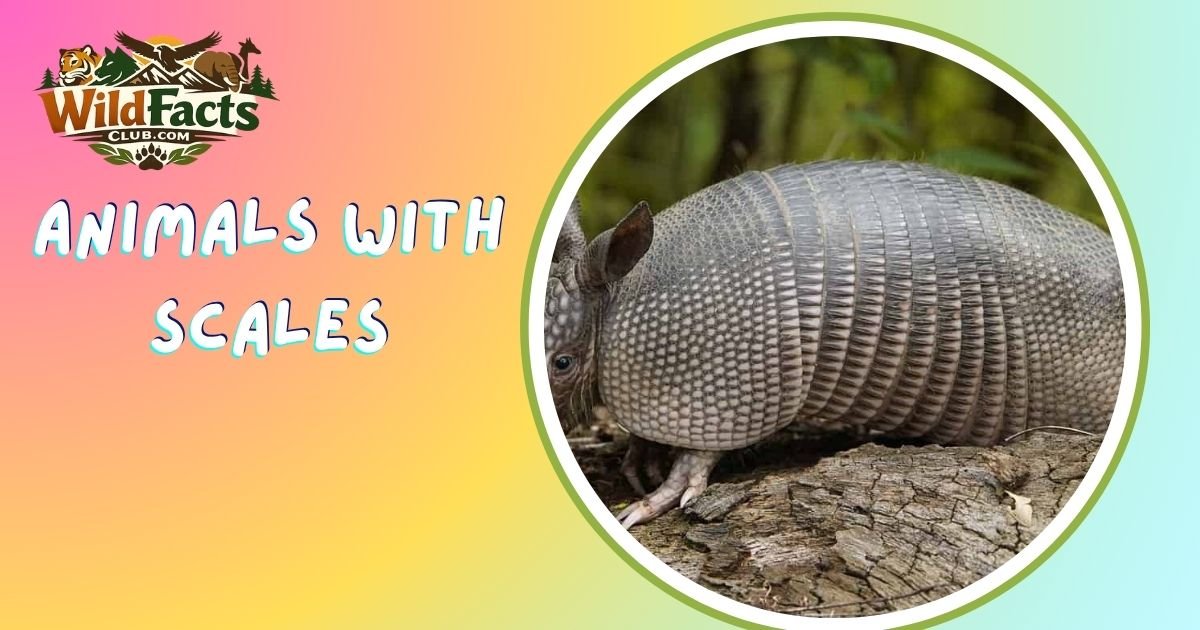
Armadillos are mammals covered in protective armor made of bony plates surrounded by tough skin. Their armor is divided into sections, with flexible bands that allow many species to move more easily. Although armadillo armor is not made of keratin scales like those of pangolins, it provides a similar protective function.
These animals use their strong claws to dig burrows and search for insects, worms, and other food. Armadillos are native to the Americas and inhabit grasslands, forests, and scrublands, where their armor helps protect them from certain threats.
Read More: 20+ Thickest Skin Animal: Animals With Extremely Thick Skin
Sharks
Sharks have a unique skin covering made of tiny tooth-like structures called dermal denticles. These structures are often described as placoid scales because they resemble miniature teeth. Unlike the overlapping scales of many fish, shark denticles have a distinctive shape that helps protect the skin and influence water flow around the body.
Their textured surface can reduce drag under certain swimming conditions and may help prevent some organisms from attaching to the skin. Sharks use this specialized covering as part of their adaptation to life in the ocean.
Snails
Snails are mollusks, not reptiles or fish, and their shells are not true scales. However, their hard shells provide an important protective covering that serves a similar defensive purpose. Most land snails have shells made primarily of calcium carbonate, which helps protect their soft bodies from physical damage and environmental conditions.
When threatened or exposed to dry conditions, many snails can withdraw into their shells. Snails live in gardens, forests, freshwater habitats, and marine environments, where their shells play an important role in survival.
Geckos
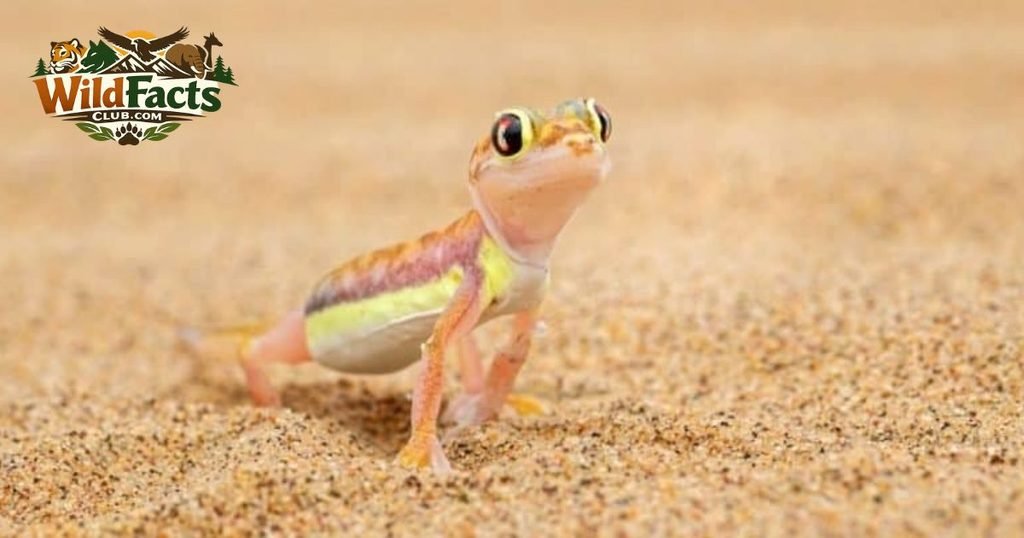
Geckos are a diverse group of lizards with skin covered in small scales. Their scales vary in texture and appearance, depending on the species. Some geckos have tiny, smooth scales, while others have bumpy or granular skin.
Many species can climb walls and other surfaces using specialized toe pads, although not all geckos have this ability. Their scales help protect their bodies and reduce moisture loss. Geckos inhabit tropical forests, deserts, rocky areas, and human settlements, where their adaptations allow them to survive in a wide range of environments.
Chameleons
Chameleons are reptiles with textured skin covered in small, overlapping scales. Their distinctive eyes can move independently, and many species have long, projectile tongues for catching insects. Chameleons are also known for changing color in response to factors such as temperature, communication, and emotional state. Their scales contribute to their skin’s texture and protective properties, while their colors can help them blend into their surroundings. Most chameleons live in Africa and Madagascar, particularly in trees and shrubs, where their specialized adaptations support their unique lifestyles.
Iguanas
Iguanas are large lizards with scaly skin and distinctive features such as strong limbs, long tails, and, in many species, spines along their backs. Their scales provide protection and help reduce moisture loss in their environments. Green iguanas are commonly found in tropical regions of Central and South America, where they spend much of their time climbing trees. Other iguana species inhabit rocky islands and dry habitats. Their scaly bodies, sharp claws, and strong tails help them navigate their surroundings and respond to potential threats.
Komodo Dragons
Komodo dragons are the largest living lizards and have tough skin covered in small, rough scales. Beneath their skin, they also possess tiny bony structures called osteoderms that provide additional reinforcement. These reptiles are native to several Indonesian islands, where they inhabit dry forests, grasslands, and open landscapes. Their muscular bodies, powerful jaws, and strong limbs make them effective predators. The scales and underlying bony structures help protect their skin during movement and interactions with other animals, contributing to their ability to survive in demanding environments.
Gharials
Gharials are fish-eating crocodilians recognized by their long, narrow snouts and heavily scaled bodies. Their skin features tough scales and protective scutes, especially along the back and tail. These structures help protect their bodies while they swim through freshwater rivers. Gharials are highly adapted to aquatic life, using their narrow jaws to catch fish. They are native to the Indian subcontinent and depend on suitable river habitats for survival. Habitat degradation, fishing-related threats, and other human activities have contributed to their endangered status.
Flying Dragons
Flying dragons are small lizards belonging to the genus Draco. Their bodies are covered in scales, and they have specialized extended ribs that support skin membranes used for gliding between trees. These membranes are not wings like those of birds or bats, but they allow the lizards to travel through the forest canopy without descending to the ground. Flying dragons mainly eat ants and other small insects. They live in parts of South and Southeast Asia, where their scaly skin and gliding adaptations help them navigate their arboreal habitats.
Eels
Eels are elongated fish that inhabit oceans, rivers, and other aquatic environments. Many eel species have tiny, embedded scales that are difficult to see, while some have no scales at all. Their smooth appearance is often caused by a protective mucus layer covering their skin.
This mucus helps reduce friction, protect against certain pathogens, and support movement through water. Eels have flexible bodies that allow them to move through narrow spaces and hide among rocks, vegetation, and underwater structures. Their skin adaptations help them survive in diverse aquatic habitats.
Moths and Butterflies
Butterflies and moths are insects with wings covered in tiny overlapping scales. These scales are very different from the scales of reptiles and fish because they are modified structures attached to the insects’ wings. They create the colors and patterns seen on many butterfly and moth species.
Wing scales can help with camouflage, communication, and temperature regulation. Some patterns may also discourage predators by making the insects appear larger or less appealing. These delicate structures are essential to the appearance and survival strategies of many flying insects.
Sea Snakes
Sea snakes are marine reptiles with scales covering their bodies. Many species have flattened, paddle-like tails that help them swim efficiently in the ocean. Their scales protect their skin and support movement through aquatic environments. Some sea snakes have smooth scales, while others have rougher textures that provide additional grip. They are found mainly in tropical and subtropical waters of the Indian and Pacific Oceans. Most sea snakes are venomous, using venom to subdue prey such as fish. Their specialized bodies and scaly skin help them survive in marine habitats.
Final Words
Animals with scales are found in almost every major habitat on Earth, from deep oceans and freshwater rivers to deserts and tropical forests. Their scales serve different purposes, including protection, moisture control, camouflage, and efficient movement. Fish, reptiles, pangolins, and even insects have specialized scale-like structures adapted to their lifestyles.
Although these coverings may look similar, their composition and functions can vary considerably. Understanding animals with scales helps us appreciate the remarkable diversity of nature and the adaptations that allow different species to survive in their environments.
FAQs
Which Animal Has The Largest Scales?
Some large reptiles, such as crocodiles, have very large and tough scales. Pangolins are also known for their prominent overlapping scales, which cover much of their bodies and provide strong physical protection.
Why Do Animals Have Scales?
Scales mainly provide protection and help animals survive in their environments. In reptiles, scales can help prevent excessive water loss, while fish scales protect the body and support efficient movement through water.
What Animals Have Scales?
Many animals have scales, including snakes, lizards, crocodiles, turtles, fish, pangolins, and certain butterflies and moths. Their scales can differ greatly in size, shape, texture, and function.