Animals That Eat Honey: A Complete Guide to Honey-Loving Animals
Honey is one of the sweetest foods found in nature, and many animals are attracted to it because it provides a quick source of energy. While honeybees produce honey to store food for their colonies, other animals may find and consume it whenever they get the opportunity. Some animals are specially adapted to reach honey inside beehives, while others simply enjoy it as an occasional food.
Bears are perhaps the most famous honey-loving animals, but they are not alone. Honey badgers, raccoons, skunks, birds, insects, and some other mammals may also eat honey or the contents of bee nests. In this guide, we will explore animals that eat honey, how they find honey, what else they eat from beehives, and how they protect themselves from angry bees.
What Animals Eat Honey?
Many different animals eat honey when they have access to it. The most famous examples include bears and honey badgers, but raccoons, skunks, opossums, some birds, ants, wasps, and other opportunistic animals may also consume honey. Honey contains natural sugars, which makes it a valuable source of quick energy. Animals that attack beehives often eat more than just honey.
A bee colony can provide several types of food, including honey, bee larvae, pupae, adult bees, pollen, and beeswax. For this reason, honey is often part of a larger meal rather than the only food an animal wants. Most animals that consume honey do so opportunistically, meaning they take advantage of the food when they find it instead of depending on honey as their primary source of nutrition.
List Of Animals That Eat Honey
- Bears
- Honey Badgers
- Raccoons
- Skunks
- Opossums
Bears
Bears are among the most famous animals that eat honey, and their attraction to beehives has become a popular part of wildlife stories and cartoons. Several species of bears may consume honey when they find a bee colony, especially when the hive contains a large amount of stored food. However, bears usually do not visit a hive just to eat honey. When a bear breaks open a beehive, it may consume honey, beeswax, bee larvae, pupae, and adult bees. Honey gives the bear carbohydrates and quick energy, while the insects and larvae provide protein and other nutrients.
Bears have thick fur and relatively tough skin that can offer some protection from bee stings, but they are not immune to them. Bees can still sting exposed areas such as the face and nose. A bear’s powerful claws and strong body allow it to break open nests located inside trees, logs, or other protected places.
Honey Badgers
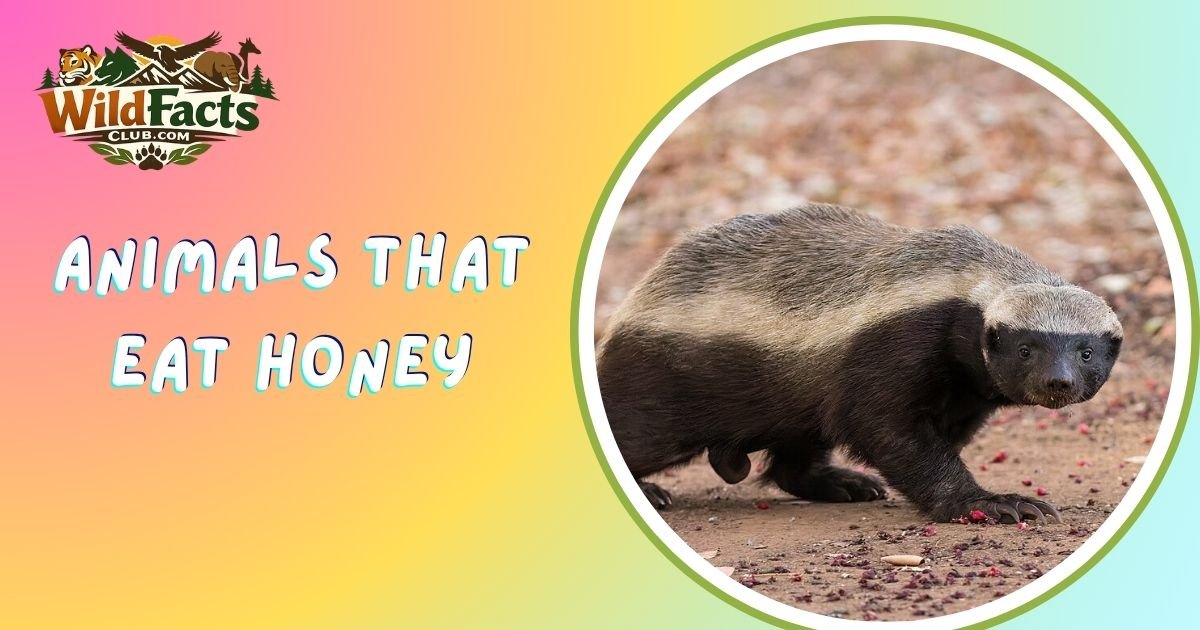
Honey badgers are another well-known example of animals that eat honey. They are famous for their fearless and aggressive behavior and are capable of raiding bee nests to access food. A honey badger may consume honey, bee larvae, pupae, and adult bees when it finds a colony. Its strong claws and powerful jaws help it open nests and reach the food inside.
Honey badgers also have thick, loose skin that provides some protection from insect stings and bites. They are not completely protected from bees and can still receive painful stings. Despite their name, honey badgers do not survive only on honey. Their diet is extremely varied and may include insects, reptiles, birds, eggs, small mammals, and other available foods. Honey is therefore an attractive food source but only one part of their overall diet.
Raccoons
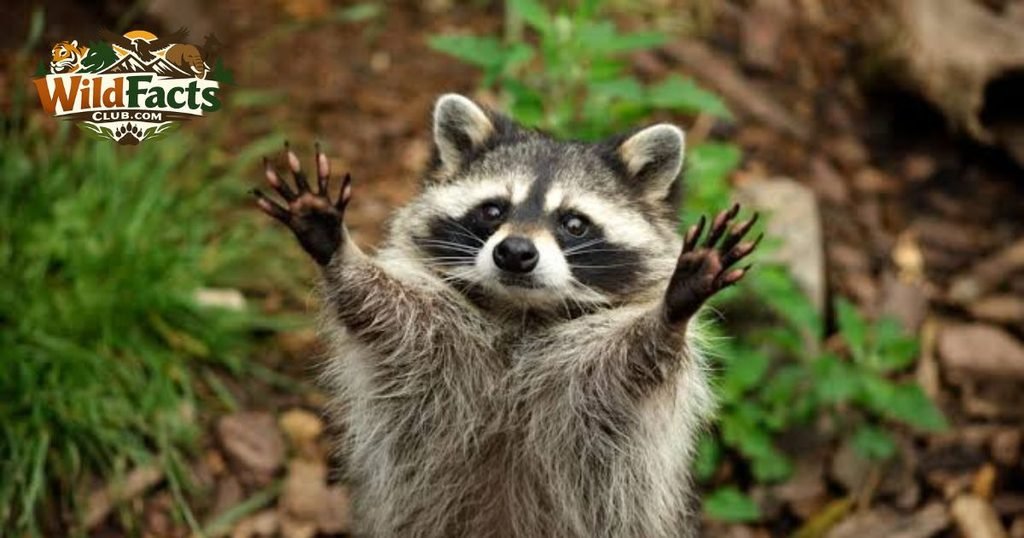
Raccoons are highly adaptable mammals that can eat many different types of food, including honey when they find it. Their front paws are very flexible and allow them to investigate food sources and manipulate objects. If a raccoon discovers a bee nest in a tree, hollow log, or another suitable location, it may disturb the nest and consume honey along with larvae and insects.
Raccoons are opportunistic feeders, so they do not normally search for honey as their main food. Instead, they take advantage of whatever nutritious foods are available in their environment. Their diet can include fruits, insects, eggs, small animals, nuts, and other foods. Honey can provide a quick source of energy, making a bee nest an attractive food opportunity when a raccoon encounters one.
Read More: Weird Animals: Fascinating Creatures That Look Unreal
Skunks
Skunks are omnivorous animals that may also consume honey and other parts of bee nests. Their normal diet can include insects, worms, fruits, small animals, eggs, and other foods depending on what is available in their habitat. When a skunk discovers a bee nest, it may investigate the area because insects and larvae provide valuable protein.
Honey can also become part of the meal. Skunks have thick fur that can provide some protection against insect stings, although bees can still sting them. They may dig around nests or disturb colonies while searching for food. Honey is not considered a primary food for skunks, but its sweet taste and energy content make it an attractive occasional food source. Their ability to eat many different foods helps them survive in a wide variety of environments.
Opossums
Opossums are another group of animals that may eat honey when they find it. They are opportunistic feeders and have a broad diet that can include insects, fruits, eggs, small animals, and other available food sources. If an opossum comes across exposed honey, it may consume it because honey contains easily available sugars and energy.
Opossums can also eat insects and other small organisms that may be found around bee nests. Unlike bears and honey badgers, opossums are not particularly famous for deliberately raiding beehives. Honey is more likely to be an occasional food that they consume when they encounter it. Their flexible diet allows them to make use of many different food sources, which is one reason they can adapt to a range of habitats.
Birds That Eat Honey
Birds are also included among animals that may consume honey or food associated with bee colonies. Some birds are attracted to insects and may encounter honey while searching for larvae, pupae, or adult bees. Birds have very different diets, so honey consumption varies considerably between species. Some birds regularly consume nectar and other sweet foods, while others mainly eat insects, seeds, fruits, or small animals.
When certain birds find a bee nest, they may eat insects and larvae along with honey or other hive materials. Honey can provide carbohydrates and energy, but it is generally not a major part of the diet of most bird species. Their feeding habits depend on their species, habitat, season, and the availability of food.
Honeyguide Birds
These birds are found mainly in Africa and parts of Asia and have a fascinating relationship with bees and bee nests. Honeyguides are well known for feeding on beeswax, insects, and other materials associated with bee colonies. Their ability to digest beeswax is especially unusual because very few birds can make effective use of it as food.
Some honeyguide species are also famous for interacting with humans and honey badgers by leading them toward bee nests. Once the nest is opened, the bird may feed on the remaining wax and insects. Although honeyguides are strongly associated with honey and bees, their exact diets vary among species, making them one of the most fascinating groups connected with bee colonies.
Civets
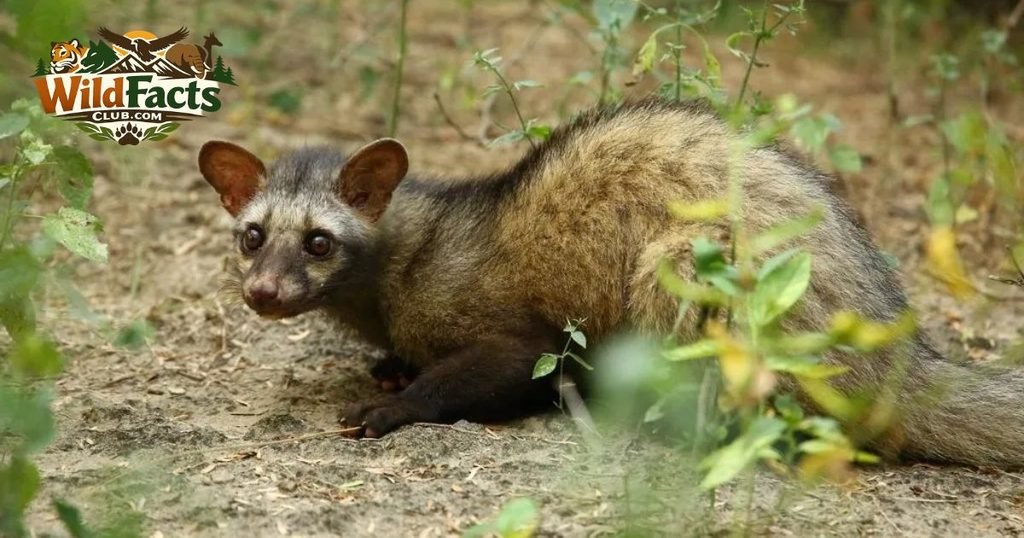
Civets are small to medium-sized mammals with varied diets, and some may consume honey when they encounter it. Depending on the species, civets can eat fruits, insects, small animals, eggs, and other foods available in their environment. Honey can provide a concentrated source of sugar and energy, so a civet may take advantage of it if it finds an accessible source. Honey is generally not considered the main food of civets.
Their flexible feeding behavior allows them to survive by eating different types of food depending on seasonal availability. Many civets are active at night, which means they may investigate food sources when many other animals are inactive. This adaptable lifestyle allows them to make use of many different resources, including sweet foods such as honey.
Primates
Some primates may eat honey when they discover bee nests, particularly species that spend a lot of time climbing trees and searching for food. Primates generally have varied diets that can include fruits, leaves, seeds, flowers, insects, eggs, and other foods. Honey can provide a concentrated source of carbohydrates and energy, making it an attractive food when available.
Some primates have excellent climbing abilities and dexterous hands, which allow them to investigate tree cavities and other places where bees may build nests. Certain primates are also capable of using objects as tools to access difficult food sources. Not every primate species eats honey, and the importance of honey varies depending on the animal and its habitat. For most primates, honey is better considered an occasional food rather than a dietary necessity.
Bats
Bats have highly varied diets, and different species specialize in different foods. Some bats eat insects, while others consume fruits, nectar, fish, small animals, or other food sources. Nectar-feeding bats are naturally attracted to sweet liquids produced by flowers, but this does not mean they regularly search for honey. Honey is produced and stored by bees, while nectar comes directly from flowers, so these are two different food sources.
In certain situations, bats may encounter honey or other materials associated with insects, but honey is not considered an important food for most bat species. Their feeding habits depend strongly on their species and environment. Nectar-feeding bats are particularly important pollinators, while insect-eating bats help control insect populations, showing how diverse bat diets can be.
Insects That Eat Honey
Honey is not only attractive to mammals and birds; many insects can also consume it when they find an accessible source. Ants are particularly attracted to sugary foods, including honey, because the sugars provide a quick source of energy.
Wasps can also consume sweet substances and may take advantage of honey when it is available. Other insects may be attracted to honey because of its carbohydrate content. Some insects may enter damaged bee colonies or approach exposed honey after a hive has been disturbed. Their feeding behavior varies depending on their species and life stage. Some insects mainly seek sugar for energy, while others also hunt insects for protein. This makes honey an important potential food resource for a variety of small creatures.
Ants
Ants are among the most common small animals attracted to honey because of its high sugar content. When ants discover an exposed source of honey, they can quickly communicate the location to other members of their colony and establish trails between the food source and their nest.
Worker ants may carry small amounts of honey back to the colony, where it can be shared with other ants. Some ants may even enter areas containing bee colonies if they can find an accessible source of food. Ants also consume other sugary substances in nature, including honeydew produced by aphids. Although ants do not produce honey like honeybees, their strong attraction to sugar makes them successful consumers of honey whenever they can reach it.
Wasps
Wasps are another group of insects that may consume honey when it is available. Many adult wasps need sugary foods for energy, while their young may require protein-rich foods depending on the species. Because honey contains large amounts of sugar, it can serve as an energy source for some wasps. Wasps may visit damaged or exposed bee colonies and take advantage of honey or other available food.
Some wasps are predators and may hunt insects, including bees, while others have different feeding habits. Their relationship with honeybees varies considerably between species. Therefore, it would not be accurate to say that every wasp regularly eats honey. However, many wasps are capable of consuming sugary substances and may use honey as an opportunistic food source.
Bees and Honey
Honeybees themselves are naturally among the most important animals that eat honey because honey is produced primarily as stored food for the colony. Worker bees collect nectar from flowers and bring it back to the hive, where it undergoes a process involving enzymes and the removal of water.
The finished honey is stored in wax combs and provides the colony with an energy-rich food supply. Bees can use stored honey during periods when flowers are unavailable or when weather conditions make foraging difficult. Honey contains sugars that provide energy for flying, maintaining the hive, feeding larvae, and performing other activities. Although humans enjoy honey as a food, its original biological purpose is to serve as an important food reserve for bees.
Why Do Animals Eat Honey?
Animals are attracted to honey mainly because it contains a high concentration of sugars and provides quick energy. Wild animals spend a significant amount of time and energy searching for food, so discovering a food source with a high energy value can be extremely beneficial. Honey can be especially valuable because it is concentrated and does not require the animal to consume a huge amount to obtain energy.
Animals that raid bee colonies may also receive protein from larvae and adult insects, making a hive a valuable food resource. Honey also has a strong sweet smell and taste that can attract certain animals. However, the importance of honey in an animal’s diet varies significantly from one species to another.
How Do Animals Find Honey?
Animals use different senses and behaviors to locate honey and bee colonies. Smell is particularly important for many mammals because bee nests can produce noticeable scents from honey, wax, insects, and other materials. Animals may also notice bees flying in and out of a particular location and investigate the area. Experienced animals can learn that tree cavities, logs, rocks, and other protected places may contain bee nests.
Some animals may return to areas where they have previously found food. Honeyguide birds have an especially interesting relationship with bee colonies because they are adapted to locating bee-related food sources. The ability to find honey is therefore influenced by an animal’s senses, intelligence, experience, habitat, and feeding behavior.
How Do Animals Deal With Bee Stings?
Accessing honey can be dangerous because bees defend their colonies against intruders. Different animals have different adaptations that help them reduce the risk of stings. Thick fur can provide some protection for mammals, while tough or loose skin may make it harder for stingers to reach sensitive areas. Some animals may quickly attack a nest and leave after taking food, while others may tolerate multiple stings because the food reward is valuable.
No animal is completely immune to bee stings. Large numbers of stings can be dangerous, especially if the animal is stung around sensitive areas such as the eyes, nose, or mouth. Animals that raid bee colonies therefore have to balance the nutritional reward of honey against the potential danger posed by defensive bees.
Do Animals Eat Honey Bees Too?
Yes, many animals that eat honey may also eat honeybees and other parts of the bee colony. A beehive contains much more than honey, including adult bees, larvae, pupae, pollen, and beeswax. When an animal breaks open a nest, it may consume several of these materials at the same time.
Honey provides carbohydrates, while insects and larvae can provide protein and other nutrients. This combination can make a bee colony a valuable food source for an omnivorous animal. For this reason, calling an animal a “honey eater” does not necessarily mean honey is its only target. In the wild, animals usually take advantage of the entire food resource available to them rather than carefully selecting one particular part.
Animals That Eat Honey in the Wild
Wild animals encounter honey mainly when they discover naturally occurring bee colonies. These colonies may be located inside hollow trees, rock crevices, underground spaces, or other protected areas. The availability of honey depends on the presence of bees, flowering plants, weather conditions, and seasonal changes.
Bears may discover colonies while searching for food in forests, while honey badgers can investigate nests in different types of habitats. Birds and insects may also find bee colonies while searching for insects or sugary food. Honey can be an especially valuable food during periods when other energy-rich resources are limited. Wild animals generally have diverse diets and use many different food sources throughout the year.
Is Honey Healthy for Animals?
Honey contains natural sugars and can provide energy, but it should not be considered a complete food for most animals. Wild animals have evolved to eat diets that contain many different nutrients, and honey alone cannot provide everything they need. A bear, for example, may eat honey as part of a much broader diet that includes fruits, plants, insects, fish, and other foods depending on its species and environment.
Honey badgers eat many types of prey in addition to honey. For most animals, honey is best understood as an energy-rich food that can supplement their normal diet. Naturally occurring honey can be an important opportunity when an animal finds it, but it is usually not the only food that supports the animal’s survival.
Honey-Eating Animals and Ecosystems
Animals that eat honey are part of complex ecosystems where different species interact with one another. Bees play a major role as pollinators, while their colonies provide food for various predators and opportunistic feeders. When an animal raids a bee nest, it may consume honey, larvae, adult bees, and other hive materials. Although this can damage or destroy a colony, such interactions are a natural part of food webs.
Bees connect plants with many other organisms because they collect nectar and pollen from flowers. Animals that feed on bees or their stored food therefore participate indirectly in the wider ecosystem. These relationships show how one food source can connect insects, birds, mammals, plants, and other living organisms.
Honey-Eating Animals and Humans
Humans have harvested honey for thousands of years, but people are certainly not the only animals attracted to this sweet food. Wild animals can sometimes discover beehives kept by beekeepers and cause damage while trying to access honey. Bears are particularly well known for breaking into managed hives when they have the opportunity.
Beekeepers may use protective fencing, secure hive locations, and other methods to reduce conflicts with wildlife. Understanding which animals are attracted to honey can help people protect bee colonies while respecting wildlife. Honey production depends on healthy bee populations, and protecting bees is also important because bees contribute significantly to pollination and the health of many ecosystems.
Final Words
Many fascinating animals eat honey, including bears, honey badgers, raccoons, skunks, birds, ants, wasps, and honeybees. Honey is attractive to animals because it contains natural sugars and provides a quick source of energy. However, most honey-eating animals do not depend entirely on honey and usually have varied diets that include other foods. Animals that raid bee colonies may also consume larvae, pupae, adult bees, pollen, and beeswax.
Their different feeding behaviors show how animals have adapted to take advantage of available food in their environments. From the powerful bear breaking open a hive to tiny ants collecting drops of honey, these animals demonstrate the fascinating relationships that exist between bees and the wider natural world.
FAQs
What Animal Loves Honey The Most?
Bears are probably the animals most commonly associated with honey. They may break open bee nests to reach honey, but they often consume bees, larvae, pupae, and other hive materials at the same time.
Do Honey Badgers Really Eat Honey?
Yes, honey badgers can eat honey when they raid bee nests. They may also consume bee larvae, pupae, and adult bees. Their thick skin and strong body help them tolerate some of the defensive behavior of bees.
Do Birds Eat Honey?
Some birds can consume honey or materials from bee colonies. Honeyguides are particularly associated with beeswax, insects, and bee nests, although honey is not a major food for every bird species.
Why Do Animals Like Honey?
Animals like honey because it contains natural sugars and provides a concentrated source of energy. Animals that raid bee nests may also eat larvae and adult insects, which can provide protein and other nutrients.