

Deaf Animals: Animals That Cannot Hear and How They Adapt
Deaf animals are animals that have a partial or complete inability to hear sounds. Deafness can occur naturally because of genetics, age, injury, disease, or other biological conditions. Some animals are born deaf, while others may lose their hearing during their lifetime. Although hearing is an important sense for many species, animals can survive without it by relying more strongly on sight, smell, touch, taste, or vibrations.
Some deaf animals may have difficulty communicating or detecting predators, but many adapt remarkably well to their surroundings. Understanding deaf animals helps us learn more about animal senses, behavior, communication, and the different ways wildlife survives in nature.
What Are Deaf Animals?
Deaf animals are animals that cannot hear normally because their auditory system does not function properly. Deafness may be complete, meaning an animal cannot detect sound, or partial, meaning it can hear some sounds but not others. Hearing ability varies greatly among species, so an animal may appear unresponsive to certain sounds without being completely deaf.
In some cases, deafness is present from birth because of inherited genetic traits. In other cases, hearing loss develops because of aging, infection, physical damage, exposure to extremely loud sounds, or other health problems. Animals with hearing loss often depend more heavily on their remaining senses to understand and respond to their environment.
List Of Deaf Animals
- Dogs
- Cats
- Horses
- Cows
- Goats
- Sheep
- Elephants
- Mice
- Rats
- Rabbits
- Guinea pigs
- Dolphins
- Whales
- Birds
- Snakes
- Turtles
- Frogs
Dogs
Dogs can be born deaf or develop hearing loss later in life. Congenital deafness is often associated with genetics, and some dogs have a higher risk because of inherited traits. Certain coat-color patterns are also associated with an increased risk of congenital deafness, although coat color alone does not mean a dog will be deaf.
Deaf dogs can learn commands using hand signals, facial expressions, and visual cues. Their owners may use vibrations or lights to get their attention instead of calling their names. With appropriate training and a safe environment, deaf dogs can live active and happy lives. They simply communicate and respond to the world differently from hearing dogs.
Cats
Cats can also experience congenital or acquired deafness. Some cats are born deaf, while others lose their hearing because of age, illness, injury, or problems affecting the ears. White cats with certain genetic characteristics have a higher likelihood of congenital deafness, particularly when they also have blue eyes.
Deaf cats often compensate with their excellent vision, sensitive whiskers, and strong awareness of movement and vibration. A deaf cat may not respond when its owner calls, but it can still recognize people through sight, smell, and routine. Indoor environments can be particularly helpful because they reduce dangers such as traffic and other unexpected hazards that a deaf cat may not hear.
Read More: Animals That Eat Mice: A Complete Guide To Mouse-Eating Animals
Horses
Horses can suffer from hearing loss for several reasons, including congenital conditions, infections, injury, aging, and problems affecting the ear. A deaf horse may still respond normally to visual and tactile signals. Horses naturally pay close attention to body language and movement, so trainers can communicate using consistent visual cues and gentle touch.
A horse with hearing loss may require extra care because it cannot hear approaching people, vehicles, or other animals. Sudden movements can sometimes startle it. With patience and proper handling, deaf horses can continue participating in normal activities. Their strong eyesight and sensitivity to movement help them compensate for reduced hearing.
Cows
Cows depend on several senses to understand their surroundings, and hearing is only one part of their sensory system. Individual cows can experience hearing impairment because of congenital problems, injury, infection, or other conditions. A cow with reduced hearing may rely more on vision, smell, touch, and awareness of movement.
In managed environments, farmers can use visual signals and predictable routines to communicate with animals that have hearing difficulties. Cows are social animals, so changes in communication may affect their interactions with other members of the herd. Hearing loss does not automatically prevent a cow from eating, moving, resting, or participating in normal herd activities.
Goats
Goats are active and alert animals that use hearing, vision, smell, and body language to interact with their environment. Some goats can be born with hearing problems, while others may lose hearing because of illness, injury, or age. A deaf goat may become more dependent on visual signals and physical awareness.
Farmers and caretakers can make their movements predictable so the goat is not startled easily. Goats are naturally curious and adaptable, which can help them adjust to changes in their sensory abilities. Although hearing contributes to communication within a herd, goats can also use posture, movement, facial expressions, and physical contact to communicate.
Sheep
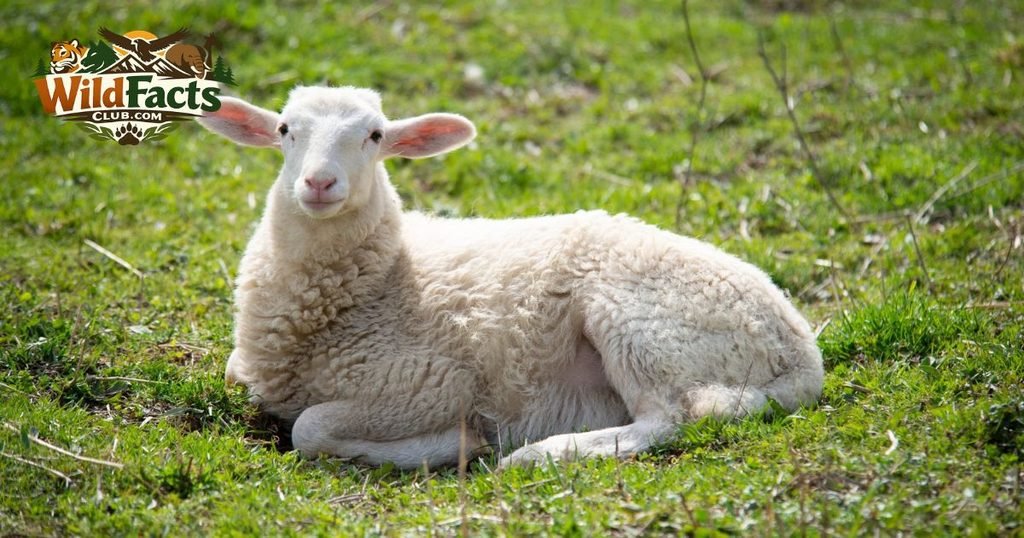
Sheep use hearing to recognize sounds from other animals and to remain aware of their environment, but individual sheep can experience hearing impairment. Deafness may result from genetic factors, injury, infection, aging, or other problems involving the ears. A sheep with hearing loss may depend more heavily on vision, smell, and touch.
In a flock, visual behavior is especially important because sheep naturally follow the movement of other animals. Farmers can help deaf sheep by maintaining safe surroundings and using visible cues when approaching them. Although hearing loss may create some challenges, it does not necessarily prevent a sheep from living a normal life when its environment is suitable.
Elephants
Elephants have highly developed hearing abilities and use sound as an important part of communication. They can produce and detect very low-frequency sounds, including infrasonic calls that can travel long distances. Because hearing is so important to elephant communication, significant hearing loss could create challenges.
Older elephants may experience age-related changes in hearing. Elephants also have remarkable sensitivity to vibrations through their feet and bodies. They can detect ground vibrations and respond to physical signals in their environment. This ability shows that communication and environmental awareness do not depend entirely on ordinary hearing. Even when hearing becomes weaker, other sensory abilities may continue helping elephants understand their surroundings.
Mice
Mice rely heavily on hearing and use a wide range of sounds to communicate. Some mice can be born with genetic hearing problems, and hearing can also decline because of age or other biological factors. Research animals with inherited hearing loss have been especially useful in studying the biology of deafness.
Mice can compensate to some extent by using their sense of smell, whiskers, vision, and sensitivity to touch. Their whiskers are particularly important because they help mice detect nearby objects and changes in their surroundings. Even with hearing impairment, mice can continue performing many normal behaviors by relying on their other sensory systems.
Rats
Rats are highly intelligent animals with strong hearing and smell abilities, but hearing loss can occur in individual rats. Some laboratory strains are genetically predisposed to hearing problems, while older rats can develop age-related hearing loss. A deaf rat may depend more on smell, touch, vision, and vibrations.
Rats use their whiskers to explore objects and navigate spaces, making touch an important part of their sensory world. In captivity, deaf rats can often adapt well when their environment remains consistent and safe. Their intelligence also allows them to learn through visual cues and other forms of sensory information rather than relying only on sound.
Rabbits

Rabbits have sensitive ears that help them detect approaching predators and other environmental sounds. Rabbits can experience hearing loss due to infection, injury, aging, or congenital conditions. A rabbit with reduced hearing may become more dependent on vision, smell, touch, and vibrations.
Because rabbits are prey animals, sudden movements can still frighten them even when they cannot hear them. Owners can help deaf rabbits by approaching them within their field of vision and avoiding sudden physical contact. A stable environment with predictable routines can also reduce stress. Deaf rabbits can remain active, social, and healthy when their needs are properly understood.
Guinea Pigs
Guinea pigs use sounds to communicate with each other and with humans, but hearing difficulties can occur in individual animals. Some may be born with hearing problems, while others may experience hearing loss due to age, infection, or other ear-related conditions. A guinea pig with impaired hearing can still use its excellent sense of smell, vision, and sensitivity to touch.
Vibrations and movements can provide useful environmental information. Caretakers should approach a deaf guinea pig gently and within its visual range because touching it unexpectedly can cause fear. With patience and a safe environment, hearing-impaired guinea pigs can continue to eat, explore, socialize, and enjoy daily activities.
Dolphins
Dolphins have one of the most sophisticated hearing and sound-based communication systems in the animal world. They rely on sound for communication and echolocation, which helps them navigate and locate objects underwater. Hearing loss can therefore be especially significant for a dolphin. Injury, disease, environmental noise, and other factors may affect hearing in marine mammals.
Dolphins with impaired hearing may face challenges with communication and echolocation. Their brains and other sensory systems can still provide important information about their surroundings, but hearing is particularly important for their lifestyle. Studying hearing problems in dolphins also helps researchers understand how underwater noise and environmental conditions can affect marine mammals.
Whales
Whales depend heavily on sound for communication, navigation, and finding other members of their species. Different whale species produce and detect a wide variety of sounds, and some can communicate across large distances. Hearing impairment can occur because of age, illness, injury, environmental conditions, or exposure to intense underwater noise.
Since sound travels efficiently through water, changes in the underwater acoustic environment can influence how whales communicate. A whale with significant hearing loss may face difficulties locating others or detecting important sounds. Researchers study whale hearing and acoustic behavior to better understand how these large marine animals interact with their environment and communicate across the ocean.
Birds
Birds generally have excellent hearing and use sound for communication, mating, territory defense, and detecting danger. Individual birds can experience hearing loss due to injury, illness, age, or genetic factors. Some birds may also be exposed to loud environmental sounds that can affect their auditory systems. A deaf bird may rely more on vision and body language to interact with other birds.
Many birds have excellent eyesight, allowing them to detect movement and visual signals from a distance. In captivity, visual communication can sometimes help compensate for hearing difficulties. deafness can affect a bird’s ability to recognize calls, locate mates, and respond to warning sounds.
Snakes
Snakes are often misunderstood when it comes to hearing. They do not have external ears like humans, but they are not completely deaf. Instead, snakes can detect vibrations and certain airborne sounds through structures connected to their inner ear and jaw. This means that calling a snake deaf is not scientifically accurate in the usual sense.
Snakes are especially sensitive to vibrations traveling through the ground. This helps them detect movement and nearby activity. Their sensory system is adapted to their lifestyle rather than being identical to the hearing system of mammals. Understanding snake hearing shows why the term “deaf animals” needs to be used carefully when discussing different species.
Turtles
Turtles do not have external ears like humans, but they can detect sounds and vibrations through specialized structures. Their hearing abilities differ from those of mammals, and some species are better at detecting certain frequencies than others. Turtles can experience hearing impairment due to infections, injury, developmental problems, or environmental factors.
They may also depend strongly on other senses, including vision and touch. Aquatic turtles can detect vibrations and sounds transmitted through water. Their sensory systems are adapted to their environments, so their experience of sound is different from that of humans. Therefore, turtles should not simply be described as completely deaf animals.
Frogs
Frogs rely heavily on hearing because many species communicate through calls, especially during breeding seasons. Their hearing organs are adapted to detect sounds made by other frogs and environmental signals. Individual frogs can experience hearing problems because of injury, disease, developmental conditions, or other factors.
Frogs also detect vibrations and use vision and touch to understand their surroundings. Their sensory systems allow them to respond to environmental changes in different ways. Since frog calls are important for attracting mates and defending territories, hearing impairment could affect social and reproductive behavior. The effects depend on the species and the severity of the hearing problem.
Why Do Animals Become Deaf?
Animals can become deaf for many different reasons. Genetic factors are an important cause of congenital deafness in several species. Some animals are born with hearing loss because of inherited changes affecting the development or function of the ear. Aging can also cause gradual hearing loss, just as it can in humans.
Ear infections, physical injuries, certain diseases, and exposure to extremely loud sounds may damage hearing structures. Environmental factors can also affect hearing, especially in species exposed to intense noise. In some cases, deafness is temporary and caused by a treatable condition, while in others it may be permanent.
How Do Deaf Animals Survive?
Deaf animals often survive by depending more strongly on their other senses. Vision can help them detect movement, predators, food, and other animals. Smell can provide information about food, territory, and nearby individuals. Touch is also important, especially for animals that use whiskers, skin sensitivity, or physical contact to explore their surroundings.
Some animals are particularly sensitive to vibrations, allowing them to detect movement even when they cannot hear ordinary sounds. Animals can also learn routines and visual signals that help them communicate with others. Their ability to adapt demonstrates the flexibility of animal behavior and the importance of multiple senses in survival.
How Humans Can Help Deaf Animals
People can make several changes to improve life for deaf animals. The first step is understanding that a deaf animal may not respond to its name or other familiar sounds. Visual signals, hand gestures, gentle vibrations, and predictable routines can help with communication. Owners should avoid approaching a deaf animal suddenly from behind because it may become frightened.
Safe environments are especially important for deaf pets because they may not hear traffic, alarms, approaching animals, or other hazards. Veterinary evaluation can also help determine whether hearing loss is temporary, treatable, or permanent. With patience and appropriate care, many deaf animals can enjoy comfortable and active lives.
Deaf Animals And Communication
Communication can be more challenging for deaf animals, especially when their species normally depends heavily on sound. Animals have many communication methods besides vocalizations. Body posture, facial expressions, movement, scent, touch, and vibrations can all carry information. A deaf animal may become especially dependent on these alternative signals.
Humans can also create new communication systems through consistent gestures and visual cues. For example, a deaf dog can learn hand signals instead of spoken commands. The ability of animals to adapt their communication demonstrates that hearing is important but not always the only way information can be exchanged.
Can Deaf Animals Live Normal Lives?
Yes, many deaf animals can live healthy and fulfilling lives. The effect of deafness depends on the species, the degree of hearing loss, the animal’s environment, and the availability of food, shelter, social interaction, and protection from danger. Domestic animals may need additional training and safety measures, while wild animals must rely on natural sensory adaptations.
Some animals are born deaf and develop alternative ways to understand their surroundings from an early age. Others may need time to adjust after losing hearing later in life. With proper support, deaf animals can continue eating, playing, exploring, socializing, and carrying out many normal behaviors.
Final Words
Deaf animals show us how adaptable the natural world can be. Although hearing is essential for many species, animals can often rely on vision, smell, touch, body language, and vibrations when hearing is limited or absent.
Dogs, cats, horses, cows, goats, sheep, rabbits, and other animals can experience hearing loss for different reasons, while species such as snakes and turtles have specialized hearing systems that differ greatly from humans. Understanding deaf animals helps us appreciate the complexity of animal senses and behavior. It also reminds us that animals with hearing loss need patience, safety, and appropriate care to live comfortable and meaningful lives.
FAQs
Are There Animals That Are Completely Deaf?
Yes, individual animals can be completely deaf because of genetic conditions, injury, disease, aging, or other causes. However, whether an entire species can be described as completely deaf is a different question. Some species have hearing systems that are very different from humans and may detect vibrations or frequencies that people cannot hear.
What Animals Are Commonly Born Deaf?
Congenital deafness can occur in several species, including dogs, cats, mice, and other mammals. In some cases, inherited genetic factors increase the likelihood of hearing loss. Not every animal in a particular species or breed will be deaf, so individual testing is needed to determine hearing ability.
How Do Deaf Animals Communicate?
Deaf animals can communicate through body language, facial expressions, movement, scent, touch, and vibrations. Some domestic animals can also learn human hand signals. The communication method depends on the species and the environment in which the animal lives.