
Happiest Animals in the World: Discover the Most Joyful Creatures on Earth
Animals experience emotions in fascinating ways, and some species are especially famous for their playful behavior, social interactions, and cheerful personalities. The happiest animals in the world remind us that joy can be found throughout nature. From playful dolphins to friendly dogs, these creatures display behaviors that scientists associate with positive emotional states. Exploring the happiest animals helps us understand their lifestyles, social relationships, and the importance of creating safe environments.
Dogs: The Most Loyal and Happiest Animals
Dogs are widely considered among the happiest animals because they express excitement through wagging tails, playful movements, and affectionate behavior. They enjoy spending time with humans, exploring outdoor environments, and playing with their favorite toys. Their happiness often comes from companionship, exercise, and attention. Dogs also form strong emotional connections with their owners, making them wonderful examples of how friendship and affection contribute to animal well-being.
Dolphins: Playful Creatures of the Ocean
Dolphins are intelligent marine mammals known for their social personalities and playful activities. They frequently swim together, jump out of the water, and communicate through whistles and clicks. These behaviors make dolphins some of the most fascinating and happiest animals to observe. Their strong social bonds and cooperative activities are important parts of their lives. However, their happiness depends on having healthy oceans, sufficient food, and opportunities to interact naturally.
Quokkas: The Smiling Animals
Quokkas are small Australian marsupials often called the happiest animals because their facial expressions appear to show constant smiles. These adorable creatures have become popular worldwide because of their friendly-looking faces and curious behavior. Quokkas mainly live on Rottnest Island and nearby areas of Western Australia. Although their expressions do not necessarily indicate happiness, their relaxed appearance and interesting lifestyle make them beloved animals among wildlife enthusiasts.
Otters: Nature’s Most Playful Swimmers
Otters are energetic mammals that spend much of their time swimming, diving, and exploring waterways. They are famous for playful activities, including sliding down muddy banks and chasing one another through water. Some sea otters hold hands while resting, helping them stay together in floating groups. Their playful behavior makes them fascinating members of the happiest animals category. Clean rivers, healthy oceans, and protected habitats are essential for their well-being.
Penguins: Social Birds Full of Personality
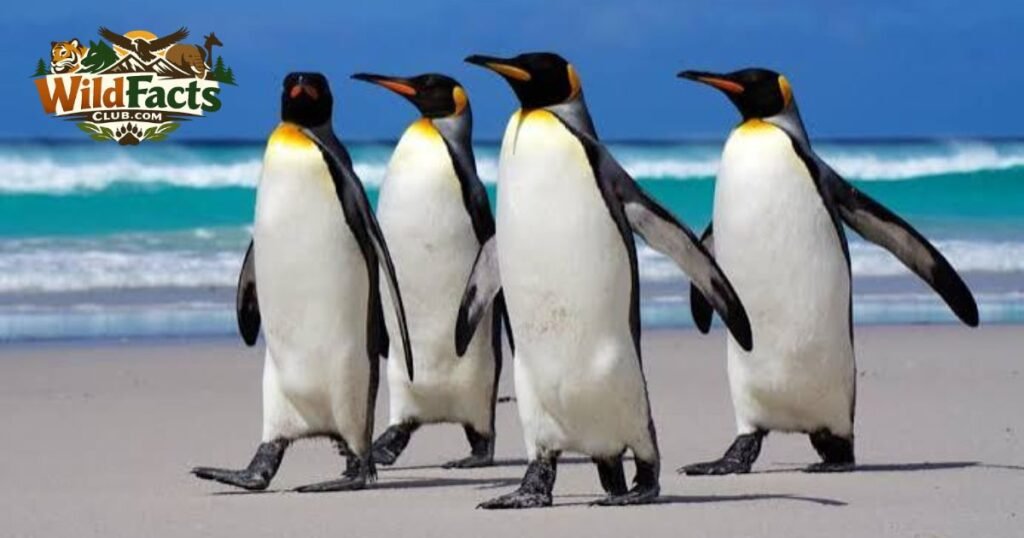
Penguins are charming birds that demonstrate interesting social behaviors and strong family connections. They communicate through vocalizations, gather in colonies, and participate in cooperative activities. Many penguin species also show playful movements while swimming and interacting with one another. Their waddling walks and entertaining personalities make them popular among animal lovers. Although they live in challenging environments, suitable food supplies, safe breeding areas, and healthy ecosystems support their survival and well-being.
Capybaras: The Most Relaxed Animals
Capybaras are the world’s largest rodents and are famous for their calm and peaceful personalities. They usually live in groups near rivers, lakes, and wetlands. These gentle animals often appear comfortable around other species, including birds and monkeys. Their relaxed lifestyle makes them popular examples of peaceful wildlife. Capybaras spend time swimming, grazing, and resting together. Access to water, nutritious plants, and social companionship supports their healthy lifestyle.
Cats: Independent but Cheerful Companions
Cats are popular household pets known for their curious personalities and entertaining habits. They express comfort and contentment through purring, playful movements, gentle rubbing, and relaxed body language. Many cats enjoy chasing toys, exploring safe surroundings, and resting in comfortable places. Although cats are more independent than dogs, they can develop strong relationships with their owners. Proper nutrition, affection, stimulation, and veterinary care help maintain their happiness.
Horses: Gentle Animals That Love Freedom
Horses are intelligent and social animals that enjoy interacting with other horses and exploring open spaces. They communicate through body language, facial expressions, and vocal sounds. Healthy horses often display playful movements, running, and friendly interactions with companions. Their emotional well-being depends on regular exercise, suitable shelter, nutritious food, and social contact. Providing enough space and opportunities for natural behavior helps horses live comfortable and healthy lives.
Squirrels: Energetic and Curious Creatures
Squirrels are small mammals famous for their energetic movements and curious personalities. They spend much of their time climbing trees, searching for food, and exploring their surroundings. Watching squirrels jump between branches and chase one another can be entertaining. Their active lifestyle reflects natural behaviors that help them survive. Trees, nesting spaces, and reliable food sources are important for their well-being. They are wonderful examples of nature’s playful side.
Read More: Animals That Gallop: Examples, Facts, and How They Move
Monkeys: Intelligent and Playful Animals
Monkeys are highly social animals known for their intelligence, curiosity, and entertaining behavior. They enjoy climbing, swinging between branches, grooming one another, and playing with members of their groups. Young monkeys especially demonstrate playful activities that help them develop important social and physical skills. Their strong family relationships contribute to their social lives. Healthy forests, natural food sources, and protected habitats are necessary for their long-term survival.
Sea Lions: Happy Performers of the Sea
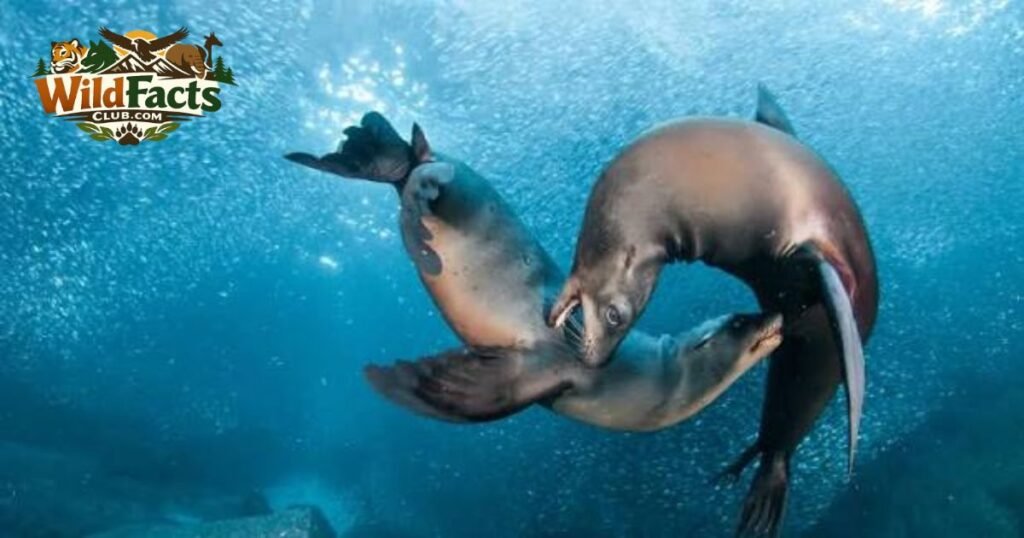
Sea lions are active marine mammals recognized for their playful movements and social behavior. They enjoy swimming, diving, resting in groups, and interacting with other sea lions. Their ability to move gracefully through water makes them fascinating animals.
They also communicate through various sounds and body movements. Sea lions depend on healthy marine ecosystems, sufficient fish populations, and safe coastal habitats to maintain their natural behaviors and overall well-being.
Rabbits: Cute and Joyful Little Animals
Rabbits are gentle animals that can display happiness through playful jumps, energetic running, and relaxed body language. A particularly interesting behavior is called a binky, when a rabbit jumps and twists in the air.
This movement is commonly associated with excitement and comfort. Rabbits also enjoy exploring, chewing safe materials, and interacting with companions. A spacious environment, fresh hay, clean water, and gentle handling help keep them healthy.
Elephants: Intelligent Animals With Strong Bonds
Elephants are highly intelligent mammals known for their remarkable memories and strong social relationships. They live in family groups, communicate through sounds, and show behaviors associated with cooperation and care.
Young elephants often engage in playful activities, while adults maintain close relationships with their relatives. Their emotional and social lives make them fascinating animals. Protecting natural habitats and preventing illegal hunting are essential for supporting elephant populations worldwide.
Red Pandas: Adorable and Peaceful Wildlife
Red pandas are beautiful mammals that live mainly in mountain forests across parts of the Himalayas and southwestern China. Their fluffy tails, reddish fur, and curious movements make them extremely popular among wildlife lovers.
They spend much of their time climbing trees, resting, and searching for bamboo and other food. Red pandas need peaceful forest habitats and protection from habitat destruction to maintain healthy populations and natural behaviors.
Meerkats: Friendly Animals That Love Groups
Meerkats are small mammals that live in organized social groups in southern Africa. They are known for standing upright while watching for potential dangers. Their group activities include grooming, playing, searching for food, and caring for young members.
These cooperative behaviors help them survive in challenging environments. Meerkats are fascinating examples of social wildlife because their relationships and communication play important roles in maintaining their groups.
Parrots: Colorful Birds With Cheerful Personalities
Parrots are intelligent and colorful birds known for their communication skills, curiosity, and playful behavior. Many species enjoy climbing, exploring, solving simple problems, and interacting with companions.
Some parrots can imitate human speech and environmental sounds. Their intelligence means they need mental stimulation and social interaction. A suitable diet, spacious environment, safe toys, and responsible care are important for maintaining their physical health and emotional well-being.
Pandas: Gentle Giants of the Forest
Giant pandas are beloved animals recognized for their distinctive black-and-white appearance and gentle movements. They spend much of their day eating bamboo, resting, and exploring their surroundings. Young pandas sometimes engage in playful activities, making them particularly entertaining to watch. Although pandas are generally solitary in the wild, they still require healthy habitats and sufficient food. Conservation programs have helped improve their protection and support their future survival.
Sea Turtles: Peaceful Travelers of the Ocean
Sea turtles are ancient marine reptiles that travel through oceans and coastal waters. Their peaceful swimming movements make them fascinating creatures to observe. Although they do not display happiness in the same obvious ways as playful mammals, healthy sea turtles can perform natural activities such as swimming, feeding, and nesting. Clean beaches, safe nesting areas, and pollution-free oceans are essential for protecting these remarkable animals and their future generations.
Why Are Some Animals Happier Than Others?
Animal happiness can depend on several important factors, including safety, nutrition, social relationships, environmental conditions, and freedom to perform natural behaviors. Animals living in suitable habitats often have better opportunities to explore, communicate, and interact with others. Scientists study animal behavior to understand their emotional states, although happiness cannot always be measured directly. Providing proper care and protecting natural ecosystems can significantly improve animal welfare.
How Can We Help Keep Animals Happy?
People can support animal happiness by respecting wildlife, protecting natural habitats, and providing responsible care to domestic pets. Feeding pets nutritious food, arranging regular veterinary checkups, offering exercise, and providing companionship are important steps. We should also avoid disturbing wild animals or destroying their environments. Supporting wildlife conservation organizations and reducing plastic pollution can protect animals and help create healthier ecosystems for future generations.
Final Words
The happiest animals in the world show us how fascinating and diverse nature can be. From playful dolphins and energetic dogs to peaceful capybaras and adorable quokkas, every species has unique behaviors and needs. Although animal happiness is not always easy to measure, their social relationships, playful activities, and natural behaviors offer valuable insights. By protecting wildlife and providing responsible care, we can help animals enjoy healthier and safer lives.
FAQs
Which is the Happiest Animal?
The quokka is widely known as the “happiest animal in the world”
Why Do Quokkas Always Look Happy?
Quokkas have naturally shaped mouths that create a smile-like expression. This gives them their famous cheerful appearance.
Where Can You Find The Happiest Animal?
Quokkas are mainly found on Rottnest Island and other parts of Western Australia.