
Animals with Bushy Tails: 20 Fascinating Creatures with Fluffy Tails
Animals with bushy tails are among the most fascinating creatures in the animal kingdom. Their fluffy tails make them look adorable, but these body features serve several important purposes. From maintaining balance and keeping warm to communicating with other animals, bushy tails help wildlife survive in different environments. Squirrels, foxes, lemurs, and raccoons are excellent examples of animals with bushy tails that demonstrate nature’s remarkable adaptations.
List Of Animals with Bushy Tails
- Red Fox
- Raccoon
- Arctic Fox
- Red Panda
- Ring-Tailed Lemur
- Snow Leopard
Red Fox
The red fox is one of the most recognizable animals with bushy tails. Its beautiful orange-red fur and thick, fluffy tail make it easy to identify. The fox uses its bushy tail for balance while running, jumping, and making sharp turns. During cold weather, it wraps its tail around its body to stay warm. Its tail also helps communicate emotions and signals to other foxes in the wild.
Squirrel
Squirrels are small mammals famous for their long, bushy tails. Their fluffy tails help them maintain balance while climbing trees and jumping between branches. They also use their tails like blankets during cold winter nights. When threatened, squirrels move their tails to warn other squirrels about possible danger. These animals are commonly found in forests, gardens, and parks, where they collect nuts, seeds, fruits, and other food.
Raccoon
Raccoons are intelligent mammals recognized by their black facial masks and ringed, bushy tails. Their tails usually feature alternating dark and light-colored rings. These animals use their tails to maintain balance while climbing trees and moving across different surfaces. Raccoons are mostly active at night and have excellent senses. They eat fruits, insects, small animals, and human food waste, making them highly adaptable to different environments.
Arctic Fox
The Arctic fox is a beautiful animal adapted to extremely cold environments. Its thick, fluffy tail provides essential warmth during freezing temperatures. It often curls its body and covers its face with its bushy tail while sleeping. During winter, its fur becomes thick and white, helping it blend into snowy surroundings. This remarkable adaptation protects the animal from predators and harsh weather while improving its chances of survival.
Red Panda
Red pandas are adorable mammals with reddish-brown fur, rounded faces, and exceptionally bushy tails. Their long tails feature reddish and lighter-colored rings. These animals live in mountain forests and spend much of their time climbing trees. Their thick tails help them maintain balance on branches and provide warmth during cold weather. Red pandas mainly eat bamboo, although their diet can also include fruits, insects, and other plant materials.
Ring-Tailed Lemur
Ring-tailed lemurs are famous for their long, black-and-white striped tails. Although their tails are not extremely fluffy, they appear bushy and are among their most recognizable features. These primates live in Madagascar and spend time both on the ground and in trees. Their tails help them communicate with group members through visual signals. They also use scent marking and other social behaviors to maintain relationships within their groups.
Coyote
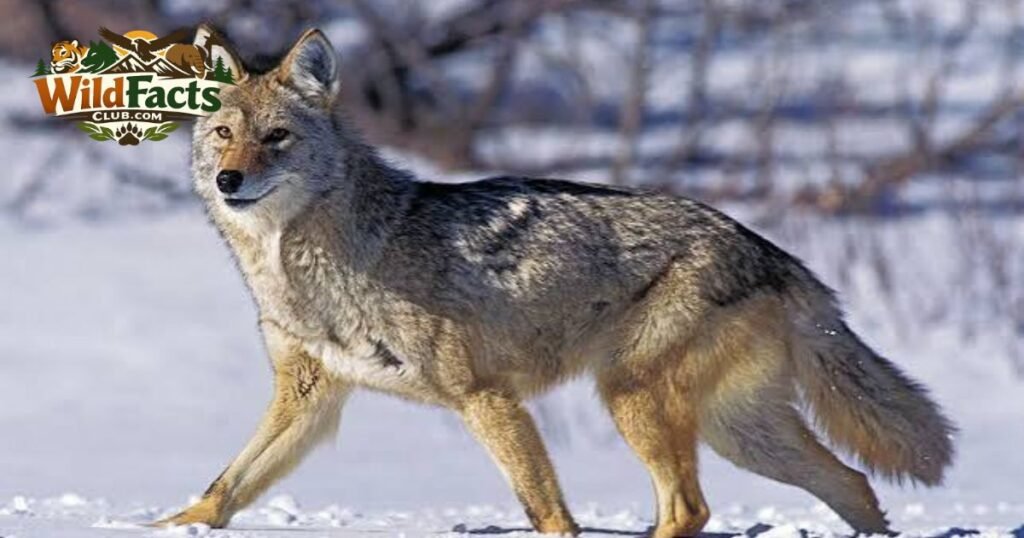
Coyotes are wild members of the dog family and possess moderately bushy tails. Their tails are usually carried downward while running or walking. These intelligent animals live in forests, deserts, grasslands, and even urban environments. Their thick fur helps protect them against changing weather conditions. Coyotes are opportunistic hunters and eat small mammals, birds, insects, fruits, and other available food sources, demonstrating their impressive ability to adapt.
Pallas’s Cat
Pallas’s cat, also known as the manul, is a small wild cat with an exceptionally thick and fluffy coat. Its bushy tail provides warmth in the freezing environments of Central Asia. Unlike many other wild cats, it has short legs and a flattened facial appearance. Its dense fur helps it survive in rocky grasslands and mountainous regions. Pallas’s cats mainly hunt small mammals, particularly pikas and rodents.
Gray Wolf
Gray wolves are powerful wild animals belonging to the dog family. They have thick fur and bushy tails that help protect them from cold temperatures. Wolves often use their tails to communicate with other pack members. Tail position can indicate confidence, submission, or alertness. These social predators live and hunt in groups called packs. Their diet mainly consists of large mammals, although they may also consume smaller animals when necessary.
Giant Squirrel
Giant squirrels are impressive tree-dwelling mammals known for their colorful fur and long, bushy tails. Some species have beautifully patterned coats with shades of brown, orange, and purple. Their tails help maintain balance when jumping between tree branches. They mainly live in forests and feed on fruits, nuts, seeds, and flowers. Their climbing abilities and fluffy tails make them fascinating examples of animals adapted to life in trees.
Fennec Fox
The fennec fox is a small desert fox famous for its enormous ears and fluffy tail. It lives in the Sahara Desert and other dry regions of North Africa. Its bushy tail helps provide warmth during cold desert nights and assists with balance while running across sandy surfaces. Fennec foxes are nocturnal animals that feed on insects, rodents, fruits, and other small food items available in their environment.
Ferret
Ferrets are domesticated mammals with long bodies, short legs, and furry tails. Their tails are usually thick and fluffy, although their appearance varies depending on breed and coat type. Ferrets are naturally curious and playful animals that enjoy exploring small spaces. Their ancestors were used for hunting rabbits and controlling rodents. Today, domesticated ferrets are popular pets in many countries and require proper care, attention, and suitable living conditions.
Snow Leopard
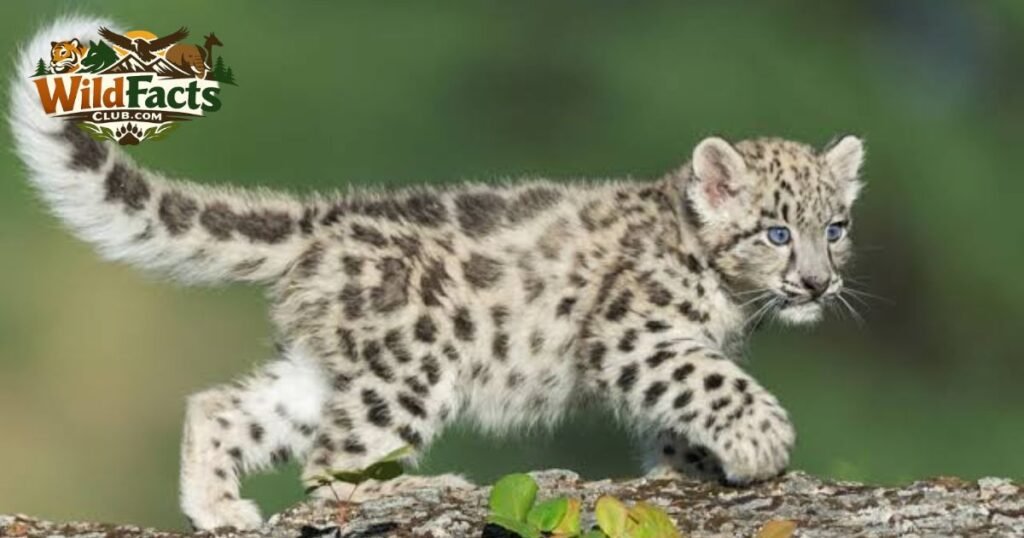
Snow leopards are magnificent wild cats that live in the mountainous regions of Central and South Asia. Their exceptionally long and thick tails are important survival tools. They use them for balance when moving across steep rocky slopes and jumping between cliffs. During freezing weather, snow leopards wrap their fluffy tails around their bodies for warmth. Their beautiful spotted coats also provide camouflage in snowy and rocky landscapes.
Pine Marten
Pine martens are small, agile mammals belonging to the weasel family. They have slender bodies, pointed faces, and long, bushy tails. These animals usually inhabit forests across Europe and parts of Asia. Their tails help maintain balance while climbing trees and moving along branches. Pine martens are excellent hunters and feed on small mammals, birds, insects, eggs, and fruits, depending on the season and availability of food.
Coati
Coatis are social mammals related to raccoons and are recognized by their long noses and striped, bushy tails. They live in forests and woodlands across Central and South America. Their tails often remain upright when they travel in groups, helping individuals stay connected visually. Coatis are skilled climbers and spend time searching for insects, fruits, eggs, and small animals. Their flexible diets help them survive in different habitats.
Chinchilla
Chinchillas are small rodents famous for their incredibly soft and dense fur. They have relatively bushy tails that contribute to their distinctive appearance. These animals naturally live in the Rocky Mountains of South America. Their powerful hind legs allow them to jump across rocks and escape predators. Chinchillas are herbivores and mainly eat grasses, leaves, and other vegetation. They also require dust baths to maintain their thick fur.
Read More: Happiest Animals in the World: Discover the Most Joyful Creatures on Earth
Kangaroo
Kangaroos are large Australian marsupials with powerful hind legs and long, muscular tails. Although their tails are not always extremely fluffy, some species have thick fur that gives them a bushy appearance. Their tails play an important role in balance and movement. Kangaroos also use their tails as an additional support when moving slowly. They mainly feed on grasses and other vegetation found in their natural habitats.
Golden Lion Tamarin
Golden lion tamarins are small primates recognized by their bright golden-orange fur and impressive appearance. They possess long, furry tails that help them maintain balance while moving through trees. These animals live in the Atlantic coastal forests of Brazil. They are social creatures that live in family groups and communicate using different sounds. Their diet includes fruits, insects, small reptiles, and other tiny animals found in forests.
Eurasian Red Squirrel
The Eurasian red squirrel is another beautiful example of animals with bushy tails. It has reddish fur, pointed ears, and a long, fluffy tail that becomes particularly noticeable during winter. Its tail helps maintain balance while climbing and jumping between trees. It also provides warmth when the squirrel rests. These animals mainly consume nuts, seeds, fungi, fruits, and tree buds, making forests their ideal natural habitat.
Bobcat
Bobcats are medium-sized wild cats found throughout North America. They have spotted coats, pointed ears, and short, thick tails with dark markings. Although their tails are shorter than those of foxes and squirrels, their dense fur gives them a slightly bushy appearance. Bobcats are solitary hunters that mainly feed on rabbits, rodents, birds, and other small animals. Their excellent eyesight and hearing make them successful predators.
Why Do Animals Have Bushy Tails?
Bushy tails serve several important purposes in the animal kingdom. They help animals maintain balance while climbing, jumping, and running. In colder environments, thick tails provide insulation and protect animals from freezing temperatures. Some species use tail movements to communicate emotions, warn others about danger, or attract potential mates. These different functions demonstrate how animals have developed specialized physical features to survive successfully in their natural habitats.
How Do Bushy Tails Help Animals Survive?
The survival benefits of bushy tails depend on the animal’s environment and lifestyle. Tree-dwelling animals use their tails for balance, while Arctic species depend on thick fur for insulation. Some predators use tail movements during communication, whereas smaller mammals may use them to appear larger when threatened. These adaptations help animals respond to environmental challenges, avoid predators, and improve their ability to find food.
Final Words
Animals with bushy tails are wonderful examples of nature’s creativity and adaptation. From squirrels and red foxes to snow leopards and red pandas, these creatures use their fluffy tails for warmth, balance, communication, and protection. Although bushy tails make many animals look attractive, their importance goes far beyond appearance. Understanding these fascinating adaptations helps us appreciate wildlife and recognize the importance of protecting natural habitats.
FAQs
What Are Some Animals With Bushy Tails?
Some common animals with bushy tails include red foxes, squirrels, raccoons, red pandas, lemurs, wolves, and skunks. Their fluffy tails help them maintain balance, stay warm, and communicate.
Which Animal Is Famous For Its Bushy Tail?
The red fox is famous for its long, bushy tail, which helps it maintain balance, stay warm, and communicate with other foxes.
How Do Animals Use Their Bushy Tails?
Animals use their bushy tails for balance, warmth, communication, protection, and sometimes camouflage. These functions help them survive in different environments.