Stubborn Animals: A Complete Guide to Animals Known for Strong-Willed Behavior
Animals can show many different personality traits, including intelligence, curiosity, friendliness, fearfulness, and stubbornness. Stubborn animals are often difficult to train or persuade because they may refuse to follow instructions, continue doing what they want, or resist changing their behavior.
This behavior does not always mean an animal is disobedient. Sometimes it comes from intelligence, independence, fear, instinct, or simply a strong personality. In this article, we will explore some of the most stubborn animals, why they behave this way, and what makes them difficult to handle.
What Are Stubborn Animals?
Stubborn animals are animals that may resist commands, training, or changes in their surroundings. They often have strong preferences and may continue a particular behavior even when a person tries to stop them. Stubbornness can look different from one species to another.
A donkey may refuse to move when it feels unsafe, while a cat may simply ignore a command. In many cases, this behavior is connected to survival instincts, independence, intelligence, or the animal’s natural temperament rather than deliberate disobedience.
Why Are Some Animals Stubborn?
Animals can appear stubborn for many different reasons. Some species have evolved to make independent decisions rather than automatically follow instructions from humans. Others may resist because they are frightened, uncomfortable, tired, or unsure about a situation.
Intelligent animals can also learn that refusing a command produces a result they prefer. Their stubborn behavior may therefore be a combination of instinct, personality, experience, and environmental conditions. Understanding the reason behind the behavior is often more useful than simply describing the animal as difficult.
Donkeys
Donkeys are among the animals most commonly associated with stubborn behavior. What people call stubbornness is often a donkey’s cautious nature. When a donkey encounters something it considers dangerous, it may stop instead of immediately running away.
Donkeys are capable of assessing situations independently, which can make them seem difficult to control. Their strong memory and intelligence also contribute to their reputation. Once a donkey learns that a particular situation is unpleasant or unsafe, it may strongly resist repeating the experience.
Goats
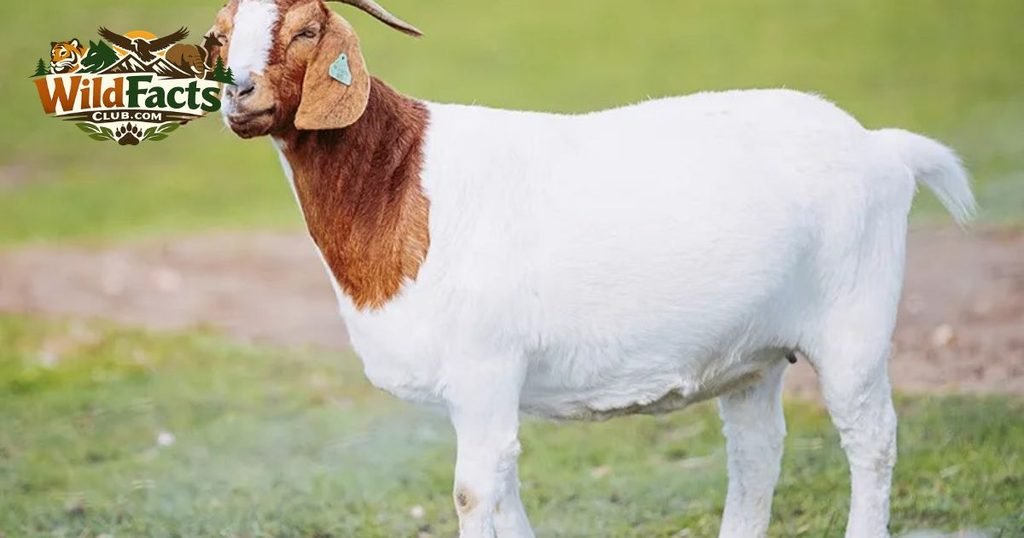
Goats are curious, intelligent, and independent animals that can sometimes be surprisingly stubborn. They enjoy exploring their surroundings and may ignore instructions when something more interesting catches their attention. Goats are also excellent problem-solvers and can learn how to open gates, climb over barriers, or reach food.
Their determination can make them challenging to manage. A goat that wants to reach a particular object may continue trying different methods until it succeeds. This combination of curiosity and persistence is one reason goats are considered stubborn animals.
Read More: Scary Animals: 25 Animals That Look and Behave Frightening
Cats
Cats are famous for doing things according to their own preferences. Unlike animals that are naturally motivated to follow human instructions, cats often decide whether a particular action is worth doing. A cat may ignore its owner’s call, refuse to move from a comfortable spot, or walk away from training.
This behavior is sometimes interpreted as stubbornness. Cats are independent animals with strong instincts and individual personalities. Their resistance often reflects their natural independence rather than a lack of intelligence or ability to learn.
Horses
Horses can sometimes display stubborn behavior, especially when they are uncomfortable, frightened, confused, or poorly trained. A horse may refuse to move forward, stop suddenly, or resist a particular direction. Experienced handlers often look for the reason behind this behavior instead of simply forcing the animal to obey.
Horses are highly sensitive animals, and their reactions can be influenced by their environment, rider, equipment, and previous experiences. Their apparent stubbornness can therefore be connected to communication, trust, fear, or physical discomfort.
Pigs
Pigs are highly intelligent animals that can develop strong preferences and habits. Their intelligence can sometimes make them appear stubborn because they may understand what a person wants but choose another behavior. Pigs are naturally motivated by food and exploration, and they can become very determined when they want something.
They may continue searching for food, investigating an object, or trying to reach a preferred location. Their persistence is one reason pigs are often included among animals with strong-willed personalities.
Cows
Cows may occasionally appear stubborn when they refuse to move in a particular direction or enter an unfamiliar area. Fear, unfamiliar surroundings, social relationships, and past experiences can influence their behavior.
Cattle are herd animals, so they may also hesitate when other members of the group are not moving. A cow that stops walking is not necessarily being deliberately difficult. It may simply be uncertain about what lies ahead. Calm handling and understanding animal behavior are often more effective than force.
Mules
Mules are hybrids produced from a male donkey and a female horse. They are often described as stubborn, but their behavior is more accurately associated with caution and independence. Mules can be intelligent and capable of making decisions for themselves.
When they believe that a situation is unsafe, they may refuse to continue. This can be useful in challenging environments because a mule may avoid dangerous situations. Their strong-willed nature can make training challenging, but it can also make them reliable working animals when properly handled.
Camels
Camels are sometimes considered stubborn because they can resist commands and may refuse to cooperate when conditions are unfavorable. They are strong, independent animals adapted to harsh environments.
Their behavior can be influenced by heat, exhaustion, hunger, discomfort, and stress. A camel may stop walking or refuse to continue when it has reached its physical limits. Their reputation for stubbornness is therefore not always a personality issue. In many situations, their behavior is a response to their environment or physical condition.
Dogs
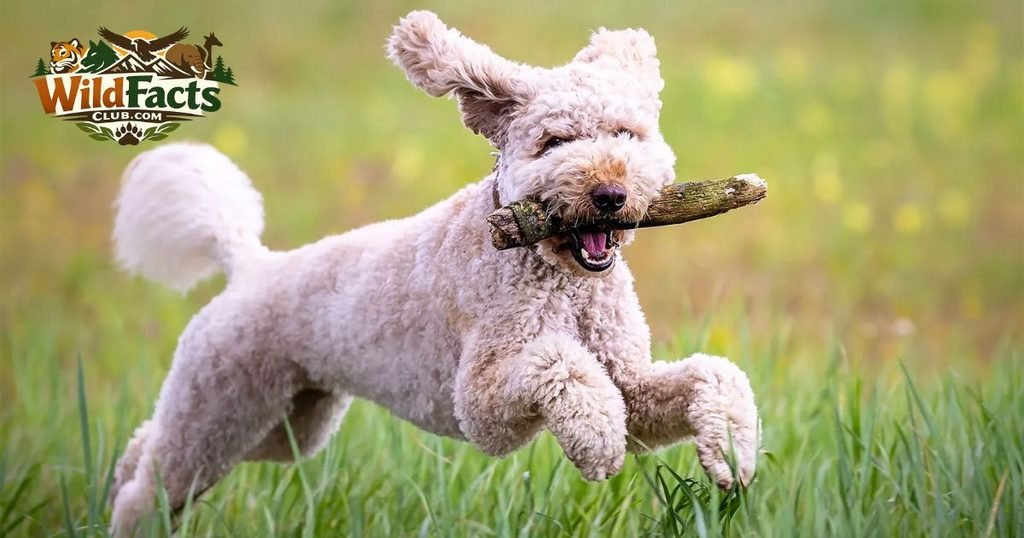
Dogs are generally considered trainable, but some individual dogs can be extremely strong-willed. Certain dogs may ignore commands when they are distracted by smells, other animals, food, or something interesting nearby. Independent breeds can sometimes be especially determined.
A stubborn dog may understand a command but decide that another activity is more rewarding. Training methods based on consistency, patience, motivation, and rewards can help encourage cooperation. A dog’s apparent stubbornness can also vary greatly depending on its personality and previous experiences.
Rabbits
Rabbits may appear stubborn because they can refuse to move, resist handling, or ignore attempts to change their routine. They are prey animals and can become cautious when they encounter unfamiliar situations.
A rabbit that freezes or refuses to cooperate may actually be frightened rather than stubborn. Rabbits also develop individual preferences and habits. They may strongly prefer certain foods, hiding places, or daily routines. Understanding their body language can help owners distinguish genuine resistance from fear, stress, or natural cautious behavior.
Elephants
Elephants are highly intelligent and socially complex animals. Their intelligence, memory, and ability to make independent decisions can sometimes be interpreted as stubbornness. An elephant may refuse to perform a task if it does not trust a person or feels uncomfortable with a situation. They can also remember previous experiences for long periods.
Because elephants are powerful and intelligent, attempts to force them into unwanted behavior can be dangerous. Their behavior is better understood through their social relationships, communication, experiences, and environmental needs.
Alpacas
Alpacas can sometimes show strong-willed behavior, particularly when they are uncomfortable or do not want to move. They may sit down and refuse to walk, making handling difficult. Alpacas are herd animals and can become stressed when separated from familiar companions.
Their resistance may also be caused by unfamiliar environments or unpleasant experiences. Although they are usually manageable with proper care, their occasional refusal to cooperate has contributed to the perception that they are stubborn animals.
Llamas
Llamas can display independent behavior and may refuse to move when they are frightened, uncomfortable, or unwilling to cooperate. They are intelligent herd animals that can learn routines and recognize familiar people.
A llama may sometimes resist handling by sitting down or backing away. Their behavior should not automatically be considered simple stubbornness because stress and environmental factors can play an important role. With patient training and appropriate handling, llamas can learn to cooperate with people and become easier to manage.
Why Intelligent Animals Can Seem Stubborn
Intelligence and stubbornness can sometimes appear together because intelligent animals are capable of making choices. An animal that understands a command does not necessarily feel motivated to follow it.
For example, a dog may know that its owner wants it to come inside but may prefer staying outside. Similarly, a pig may understand how a barrier works and continue looking for another way around it. What looks like stubbornness can therefore sometimes be evidence of learning, memory, problem-solving, or independent decision-making.
Stubbornness vs. Fear in Animals
It is important to distinguish stubbornness from fear. An animal that refuses to move may not be trying to disobey. It could be frightened by a strange sound, unfamiliar person, new environment, or previous negative experience.
Donkeys, horses, rabbits, and cattle can all display behaviors that look like stubbornness when they are actually responding to fear. Recognizing the difference is important for safe animal handling. Punishing a frightened animal can increase stress and make the behavior even more difficult to manage.
Stubborn Animals Can Be Intelligent
Being stubborn does not mean an animal is unintelligent. In some cases, strong-willed behavior may demonstrate memory, problem-solving skills, or independence. Goats can solve physical problems, pigs can learn complicated tasks, and elephants can remember experiences for long periods.
These abilities may make animals less likely to blindly follow instructions. Their intelligence allows them to evaluate situations and make choices. As a result, what humans call stubbornness may sometimes be an interesting expression of an animal’s cognitive abilities.
How to Handle Stubborn Animals
Handling a strong-willed animal requires patience and consistency. Understanding the reason for resistance should come before trying to correct the behavior. Animals may respond better when training is associated with rewards, clear communication, familiar routines, and positive experiences. Sudden punishment or excessive force can increase fear and resistance. Professional animal trainers and experienced handlers can provide appropriate guidance for difficult cases. The safest approach depends on the species, individual animal, environment, and reason behind the behavior.
Are Stubborn Animals Difficult to Train?
Some strong-willed animals can be more challenging to train, but difficult does not mean impossible. Training success depends on the species, individual temperament, previous experiences, motivation, and training methods.
An animal that refuses one type of instruction may respond well to another approach. Consistency is particularly important because animals learn from repeated experiences. Understanding what motivates an animal can also improve cooperation. With appropriate methods, many animals described as stubborn can learn routines and respond reliably to trained behaviors.
Final Thoughts
Stubborn animals are fascinating because their behavior often reveals more than simple disobedience. Donkeys may stop because they are cautious, goats may persist because they are curious, cats may resist because they are independent, and intelligent animals may make their own decisions instead of automatically following commands. Understanding the reasons behind animal behavior helps people interact with animals more safely and respectfully. Stubbornness can be connected to personality, instinct, intelligence, fear, or past experiences, making each animal’s behavior unique.
FAQs
What Are The Most Stubborn Animals?
Some animals commonly described as stubborn include donkeys, goats, mules, cats, pigs, horses, camels, and llamas. Their behavior can result from independence, intelligence, fear, caution, or strong individual personalities.
Why Are Donkeys Considered Stubborn Animals?
Donkeys are often considered stubborn because they may stop moving when they feel uncertain or unsafe. This behavior is usually linked to their cautious nature rather than simple disobedience.
Are Stubborn Animals Intelligent?
Yes, many stubborn animals are highly intelligent. Their ability to make independent decisions, solve problems, remember experiences, and develop preferences can sometimes make them appear stubborn.