Hybrid Animals: 15 Fascinating Examples and Their Unique Features
Hybrid animals are animals produced when two different species, or sometimes different subspecies, successfully reproduce. The resulting offspring may inherit physical characteristics, behaviors, or other traits from both parents. Some hybrid animals occur naturally, while others have been produced through human-managed breeding.
The topic of hybrid animals is fascinating because it shows how closely related species can sometimes share compatible genetics. Hybrids are not always able to reproduce themselves. Their fertility depends on the species involved, chromosome compatibility, and other biological factors. In this guide, we will explore 15 well-known hybrid animals, explain which parent animals produce them, and discuss their appearance, behavior, habitat, and fertility.
List of Hybrid Animals
- Mule
- Hinny
- Liger
- Tigon
- Beefalo
- Zorse
- Zonkey
- Zebroid
- Cama
- Wolfdog
- Coywolf
- Grolar Bear
- Leopon
- Jaglion
- Wholphin
Mule
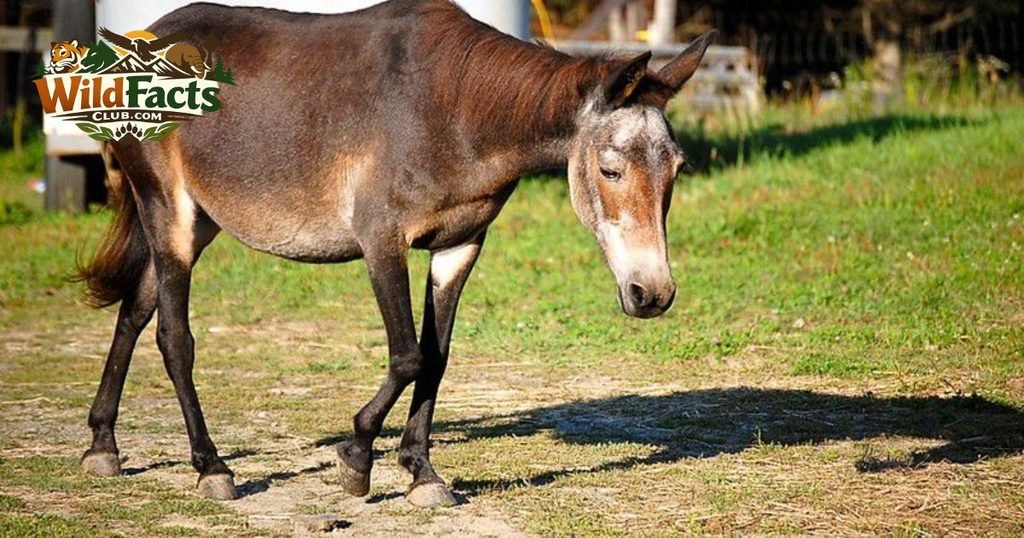
A mule is one of the best-known hybrid animals and is produced by breeding a male donkey with a female horse. Mules usually have the strong body and large size of a horse while retaining some physical characteristics of a donkey. They are valued for their strength, endurance, sure-footedness, and ability to work in difficult terrain. Mules have been used for transportation, farming, and carrying heavy loads for centuries.
Most male mules are sterile because horses and donkeys have different numbers of chromosomes. Female mules can also be infertile, although extremely rare cases of fertile female mules have been documented. Their combination of strength and toughness makes them an important example of hybridization.
Read More: Animals With Stripes: A Complete Guide to Striped Animals
Hinny
A hinny is another horse-donkey hybrid, but its parents are the opposite of those that produce a mule. A hinny results from a male horse breeding with a female donkey. Hinnies can have characteristics from both parents, although their size and appearance can vary considerably. They are generally less common than mules because breeding horses and donkeys in this particular combination is less successful.
Like mules, hinnies are normally sterile because their parents have different chromosome numbers. Hinnies may have the body shape of a horse combined with some donkey-like features, including shorter ears and a sturdy build. Historically, they have been used as working and pack animals.
Liger
A liger is a hybrid produced by a male lion and a female tiger. Ligers can become extremely large, making them among the largest known cat hybrids. They may display physical traits from both parents, including faint tiger-like stripes and a lion-like mane in males. Their appearance can differ considerably depending on their genetic inheritance.
Ligers are generally produced in captivity because lions and tigers naturally occupy different geographic regions and do not normally encounter one another in the wild. Most male ligers are sterile, while female ligers may sometimes be fertile. Ligers are interesting examples of hybridization between two closely related big-cat species.
Tigon
A tigon is produced when a male tiger mates with a female lion. It is essentially the opposite parental combination of a liger. Tigons can have a mixture of tiger and lion characteristics, including stripes, spots, and sometimes a small mane in males. They are generally smaller than ligers, although individual size can vary.
Like many hybrids involving lions and tigers, tigons are usually created in captivity rather than occurring naturally in modern conditions. Male tigons are typically sterile, while some females may retain fertility. The existence of tigons demonstrates that lions and tigers are genetically similar enough to produce offspring, despite being separate species.
Beefalo
A beefalo is a hybrid between domestic cattle and American bison. This hybrid was developed to combine useful characteristics from both animals. Beefalo can have a strong body, good resistance to harsh environmental conditions, and characteristics associated with both cattle and bison. They have been used in agriculture and meat production in some regions.
Unlike many famous hybrids, beefalo can often reproduce because cattle and bison have sufficiently compatible genetics. Their appearance varies depending on the particular animals used for breeding. Some may look more like cattle, while others have a more pronounced bison-like appearance. Beefalo are an important example of hybridization involving domesticated livestock and a wild relative.
Zorse
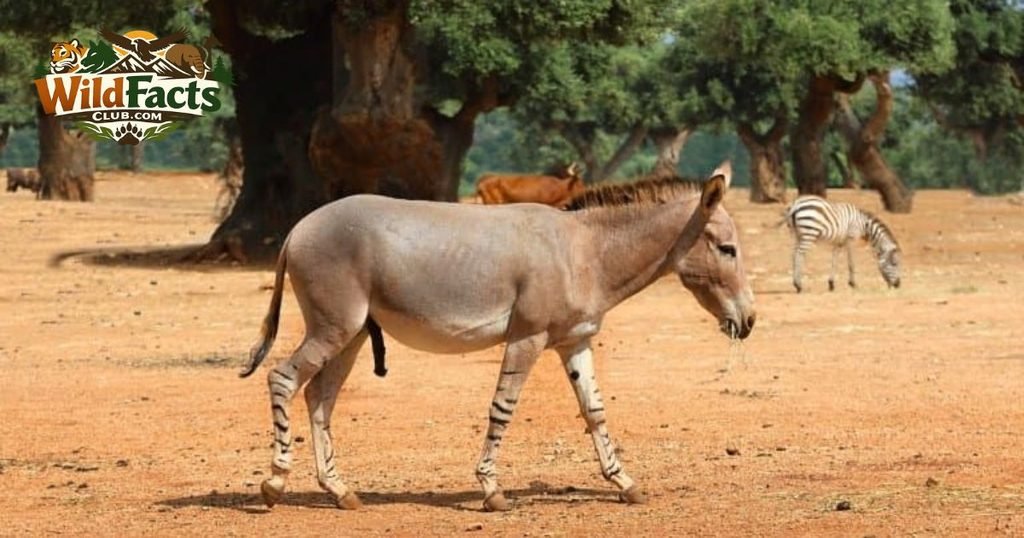
A zorse is produced by breeding a zebra with a horse. The horse is usually a domestic horse, while the zebra provides the other half of the hybrid’s genetic material. Zorses commonly have a horse-like body combined with noticeable zebra stripes, although the pattern differs from one animal to another.
Some zorses have stripes mainly on their legs, while others have markings across much of their body. They are generally bred in captivity and are not common in the wild. Zorses can inherit the strength and athletic abilities of both parents, but their temperament can be influenced by the zebra parent. Most zorses are sterile because of chromosome differences.
Zonkey
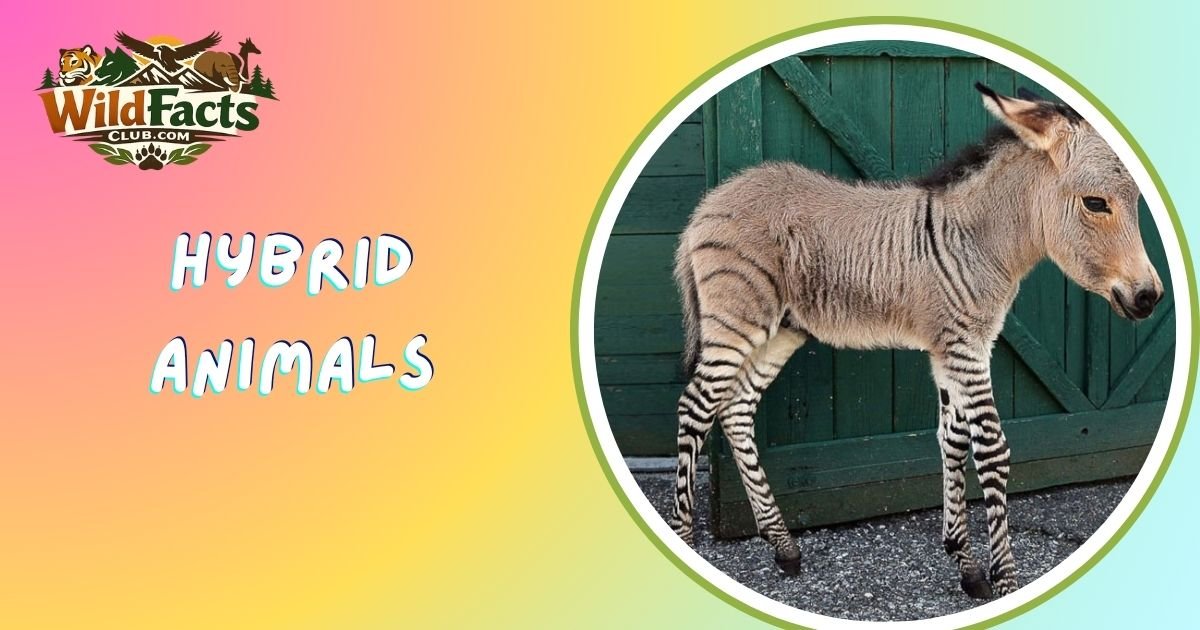
A zonkey is a hybrid produced by crossing a zebra with a donkey. Depending on the parental combination, these hybrids can be described using different names, but the term zonkey is commonly used for zebra-donkey hybrids. Zonkeys often have the sturdy body shape of a donkey with zebra-like stripes on parts of their body. Their legs, neck, and back may show noticeable striping. Like other zebra hybrids, zonkeys are generally produced under human care because zebras and donkeys do not commonly reproduce in natural environments. Most zonkeys are sterile due to differences in chromosome numbers between their parent species. Their unusual appearance makes them one of the more recognizable hybrid animals.
Zebroid
The term zebroid refers broadly to a hybrid involving a zebra and another member of the horse family. A zebroid may therefore include crosses between zebras and horses or zebras and donkeys. Their appearance depends on which zebra species and equine parent are involved. Many zebroids have a horse- or donkey-like body with zebra stripes appearing on the legs, shoulders, neck, or other areas.
They can inherit the physical strength of equines but may also retain some of the distinctive temperament associated with zebras. Zebroids are uncommon and are usually produced through controlled breeding. Most are sterile because zebras and their domestic relatives have different chromosome arrangements.
Cama
A cama is a hybrid between a male dromedary camel and a female llama. This unusual hybrid was developed to combine characteristics from both animals. Camas are smaller than camels but can inherit a sturdy body and some camel-like features. They also possess characteristics associated with llamas. The hybridization process requires careful breeding because camels and llamas have considerable differences in body size and reproductive biology.
Cama have generally been produced through artificial breeding rather than occurring naturally. Their creation is particularly interesting because camels and llamas belong to the same broader camelid family but evolved in different regions. The cama demonstrates how related animals can sometimes produce unusual hybrid offspring.
Wolfdog
A wolfdog is the offspring of a domestic dog and a gray wolf. Because domestic dogs and wolves are very closely related, they can produce fertile offspring. Wolfdogs can have a wide range of physical appearances depending on their genetic background. Some may resemble large domestic dogs, while others have more wolf-like features such as a narrow chest, thick coat, or distinctive facial structure.
Their behavior can also vary considerably. Wolfdogs may inherit traits associated with both dogs and wolves, including strong instincts, intelligence, and social behaviors. Because their characteristics can be unpredictable, responsible ownership requires specialized knowledge, secure facilities, and careful management.
Coywolf
A coywolf is a term commonly used for hybrids involving coyotes and wolves, particularly eastern wolf-coyote populations in North America. Genetic exchange between these closely related canids has occurred naturally. Coywolves may possess a mixture of characteristics from wolves and coyotes, including variations in body size, coloration, hunting behavior, and adaptability. They are generally larger than typical coyotes but smaller than many gray wolves.
Their ability to live in changing environments has attracted scientific interest. Unlike many captive hybrids, wolf-coyote hybrids can occur naturally where the ranges of these closely related animals overlap. Their existence demonstrates that hybridization can play a role in the evolution and genetics of wild animal populations.
Grolar Bear
A grolar bear, also called a pizzly bear in some contexts, is a hybrid between a polar bear and a grizzly bear. These hybrids are particularly interesting because both parent species are members of the bear family and are genetically compatible. Grolar bears can display a combination of physical characteristics, including pale or creamy fur, darker areas around the face and legs, and body proportions that fall between those of polar and grizzly bears.
Wild hybrids have been documented, especially in regions where the ranges of polar bears and grizzly bears overlap. Changes in climate and habitat conditions can increase opportunities for the two species to encounter each other, making this hybrid an important subject in wildlife research.
Leopon
A leopon is a hybrid between a male leopard and a female lion. Leopons combine characteristics of both large cats and may have a lion-like body with leopard-style spots. Their heads and body proportions can also show traits from both parents. Leopons have historically been produced in captivity rather than being common wild animals.
The hybrid is possible because lions and leopards are relatively closely related members of the Panthera genus. However, breeding success is uncommon, and the fertility of individual hybrids can vary. Leopons are especially interesting to zoologists because they demonstrate how related big-cat species can produce offspring under controlled conditions.
Jaglion
A jaglion is a hybrid between a male jaguar and a female lion. It is a very rare hybrid and is generally associated with captive breeding. Jaglions can inherit characteristics from both parent species, including the powerful body of a big cat and coat patterns that may combine features of jaguars and lions. Their exact appearance can vary according to genetics.
Because jaguars and lions belong to the Panthera genus, their genetic relationship makes hybridization possible. However, this does not mean such hybrids are common in nature. Jaglions are primarily known from managed breeding situations and provide another example of how closely related large-cat species can sometimes produce hybrid offspring.
Wholphin
A wholphin is a rare hybrid resulting from a bottlenose dolphin and a false killer whale. Despite its name, it is not a whale-dolphin hybrid in the broadest sense because both parents belong to the toothed-whale group. The two species are closely related enough to produce hybrid offspring.
Wholphins have been documented in captivity and may have physical characteristics that fall between those of their parents. Some individuals have been reported to reach reproductive maturity, making this hybrid particularly interesting to researchers. Wholphins are extremely uncommon compared with ordinary dolphins and false killer whales. Their existence demonstrates the genetic compatibility that can occur between closely related marine mammals.
How Do Hybrid Animals Develop?
Hybrid animals develop when reproductive cells from two genetically different animals combine to form an embryo. Usually, the parent species are closely related enough that their chromosomes and reproductive systems can work together. The resulting offspring receives genetic material from both parents.
Not every attempt at hybridization is successful. Differences in chromosome number, genetics, reproductive timing, or anatomy can prevent successful reproduction. When hybrid offspring are born, their characteristics may vary widely. Some look almost exactly like one parent, while others show a noticeable combination of both.
Why Are Some Hybrid Animals Sterile?
Sterility is common among certain hybrid animals because their chromosomes may not pair correctly during the production of reproductive cells. Horses, for example, have 64 chromosomes, while donkeys have 62. A mule receives chromosomes from both parents, resulting in 63 chromosomes. Because the chromosomes cannot pair normally during meiosis, most mules cannot produce viable reproductive cells.
This explains why many horse-donkey and zebra-equine hybrids are unable to reproduce. Sterility is not universal among all hybrids. Some hybrids, particularly between very closely related species, can be fertile.
Do Hybrid Animals Occur Naturally?
Yes, some hybrid animals occur naturally. Natural hybridization is most likely when closely related species have overlapping habitats and opportunities to mate. Examples include some wolf-coyote hybrids and polar bear-grizzly bear hybrids.
Other hybrids are mainly associated with captivity because their parent species rarely meet naturally. Ligers, tigons, leopons, and many zebra hybrids are examples of animals usually produced under human-managed conditions.
Natural hybridization can sometimes influence the evolution and genetic diversity of wild populations. Scientists study these animals to understand how species interact and how genes move between populations.
Are Hybrid Animals Different From Crossbred Animals?
The terms hybrid and crossbred are sometimes used interchangeably, but they can have different meanings. A hybrid generally refers to offspring produced from parents belonging to different species or genetically distinct groups. Crossbreeding often refers more broadly to mating different breeds, varieties, or lines within the same species.
For example, a Labrador Retriever and a Golden Retriever produce crossbred dogs because both parents belong to the same species. A wolfdog involves a domestic dog and a wolf and is therefore commonly described as a hybrid.
Why Do Scientists Study Hybrid Animals?
Hybrid animals provide valuable information about genetics, evolution, reproduction, and species relationships. By studying hybrids, researchers can learn how closely related different species are and how their genetic material interacts.
Hybridization can also reveal information about adaptation. In wild populations, genes from one species may sometimes enter another population through natural mating. These genetic exchanges can influence characteristics such as body size, coloration, behavior, and environmental tolerance. Scientists also study hybrid fertility because it helps explain the biological barriers that normally keep species separate.
Are Hybrid Animals Common?
Most hybrid animals are not common. Successful hybridization usually requires closely related species and suitable reproductive compatibility. Even when two species can produce offspring, they may rarely encounter each other or may have different behaviors and mating seasons.
Some hybrids are well known because humans intentionally breed them, while others are extremely rare and are discovered only through wildlife research. Their rarity makes many hybrid animals scientifically interesting.
Final Words
Hybrid animals provide a fascinating look at genetics, evolution, and the relationships between different species. From the familiar mule and beefalo to unusual animals such as the cama, grolar bear, and wholphin, each hybrid demonstrates a different form of biological compatibility.
Some hybrids occur naturally, while others are produced through controlled breeding. Their appearance, behavior, fertility, and physical characteristics can vary greatly. Studying these animals helps scientists understand how species are related and how genetic exchange can occur in nature.
FAQs
What Is A Hybrid Animal?
A hybrid animal is an offspring produced when two genetically different animals, usually from closely related species, reproduce. The offspring can inherit characteristics from both parents.
What Is The Most Famous Hybrid Animal?
The mule is one of the most famous hybrid animals. It is produced by breeding a male donkey with a female horse and is well known for its strength and endurance.
Are Hybrid Animals Able To Reproduce?
Some hybrid animals can reproduce, while others are sterile. Fertility depends on the genetic compatibility and chromosome arrangements of the parent species.
What Is The Largest Hybrid Animal?
The liger is often described as one of the largest known cat hybrids. It results from breeding a male lion with a female tiger and can grow exceptionally large under captive conditions.