
Animals That Start With I: 24 Interesting Animals You Should Know
Animals that start with I include some of the most interesting and unusual creatures found across the world. From powerful predators to tiny insects and beautiful marine animals, these species live in different habitats and have unique survival abilities.
Some are famous for their intelligence, while others are recognized for their unusual appearance or fascinating behaviors. Exploring animals that start with I helps us understand wildlife diversity and appreciate the importance of protecting nature.
List Of Animals That Start With I
- Iguana
- Impala
- Indian Elephant
- Indian Rhinoceros
- Ibex
- Ibis
Iguana
Iguanas are large reptiles commonly found in Central America, South America, and the Caribbean. They are recognized by their long tails, rough scales, and impressive spines along their backs. Most iguanas live in tropical forests and spend considerable time climbing trees. Green iguanas mainly eat leaves, flowers, and fruits. They are excellent swimmers and use their powerful tails for defense against predators.
Impala
Impala are medium-sized antelopes native to eastern and southern Africa. They are famous for their incredible speed, jumping abilities, and graceful movements. These animals usually inhabit open woodlands and grasslands, where they feed on grasses, leaves, and shoots. Male impalas have curved horns, while females generally do not. Their excellent hearing and eyesight help them detect predators such as lions, leopards, and cheetahs.
Indian Elephant
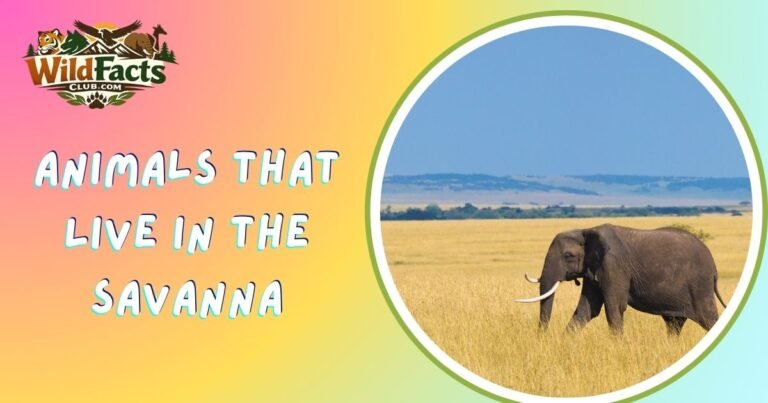
The Indian elephant is a subspecies of the Asian elephant found mainly in the Indian subcontinent. It has a large body, strong legs, a long trunk, and smaller ears compared with African elephants. These intelligent animals live in forests and grasslands. They consume grasses, leaves, fruits, and tree bark. Indian elephants are social creatures that communicate through sounds, movements, and physical contact.
Indian Rhinoceros
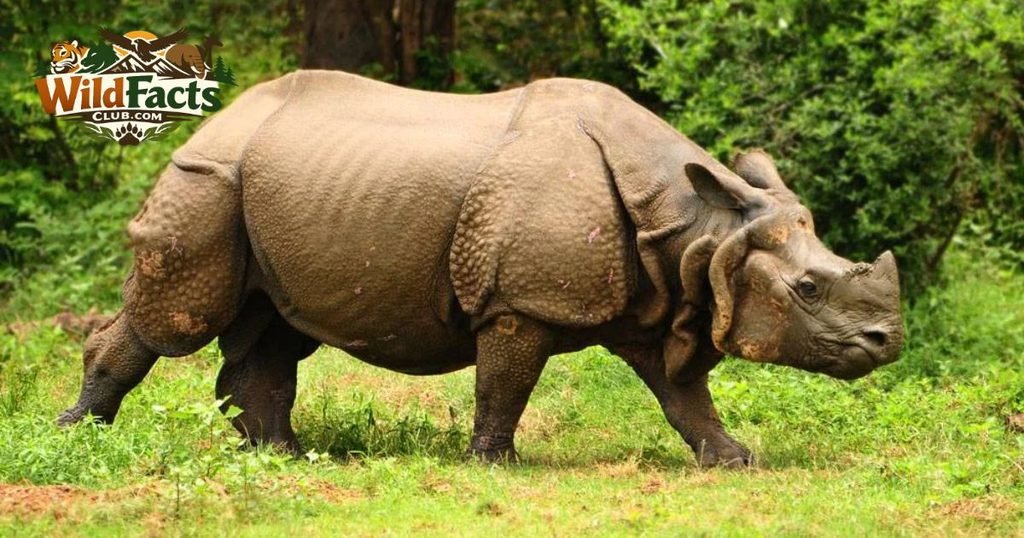
The Indian rhinoceros, also called the greater one-horned rhinoceros, is a large mammal native to the Indian subcontinent. It is recognized by its single horn and thick, armor-like skin folds. These animals mainly live in grasslands and wetlands. They feed on grasses, leaves, fruits, and aquatic plants. Habitat destruction and illegal hunting have threatened their populations, making conservation programs essential for their survival.
Ibex
Ibex are wild goats known for their impressive curved horns and remarkable climbing abilities. They inhabit mountainous regions of Europe, Asia, and northeastern Africa. Their strong legs and specially adapted hooves allow them to climb steep cliffs and rocky slopes with ease. Ibex mainly feed on grasses, herbs, leaves, and shrubs. They are well adapted to harsh mountain environments and use their agility to escape predators.
Ibis
Ibises are long-legged wading birds found in wetlands, marshes, rivers, and coastal regions around the world. They have long, curved bills that help them search for food in mud and shallow water. Their diet includes insects, fish, crustaceans, and small aquatic animals. Different ibis species have various feather colors, including white, black, and bright red. They often gather in groups while feeding and nesting.
Indian Cobra
The Indian cobra is a venomous snake native to the Indian subcontinent. It is famous for spreading its hood when threatened, displaying distinctive markings behind its head. These snakes usually live in forests, agricultural areas, grasslands, and near human settlements. Their diet mainly consists of rodents, frogs, lizards, and other small animals. Indian cobras play an important ecological role by controlling populations of harmful rodents.
Irrawaddy Dolphin
The Irrawaddy dolphin is a unique freshwater and coastal dolphin found in parts of Southeast Asia. It has a rounded head, short beak, and flexible neck that allows it to move its head more freely than many other dolphins. These intelligent mammals eat fish, crustaceans, and other aquatic organisms. Some populations live in freshwater rivers, where they face serious threats from fishing nets, pollution, and habitat changes.
Inchworm
Inchworms are the larvae of moths belonging to the geometer moth family. They are famous for their unusual crawling movement, which resembles measuring small distances with their bodies. These tiny creatures are usually green or brown, helping them blend into leaves and branches. Inchworms mainly feed on plant leaves and eventually develop into adult moths. Their distinctive movement makes them fascinating examples of insect behavior.
Indian Star Tortoise
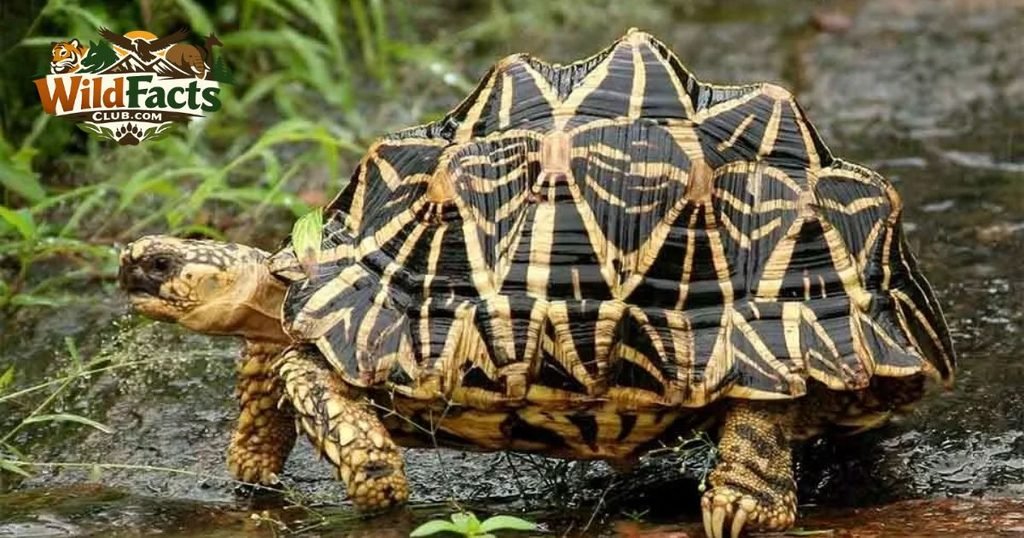
The Indian star tortoise is a beautiful reptile native to India, Sri Lanka, and nearby regions. It is easily recognized by the yellow star-shaped patterns on its dark shell. These tortoises inhabit dry grasslands, scrub forests, and other warm environments. They mainly eat grasses, leaves, flowers, and fruits. Their attractive appearance makes them recognizable, but illegal wildlife trading and habitat loss threaten their natural populations.
Isopod
Isopods are small crustaceans found in oceans, freshwater environments, and on land. They have flattened bodies divided into several segments and multiple pairs of legs. Woodlice are familiar terrestrial isopods commonly found under rocks and damp leaves. Marine isopods live on the ocean floor and feed on organic matter or other organisms. They help ecosystems by breaking down decaying materials and recycling important nutrients.
Island Fox
The island fox is a small fox species native to California’s Channel Islands in the United States. It is smaller than most mainland foxes and has a compact body, pointed ears, and a bushy tail. These foxes live in coastal scrublands and forests. Their diet includes insects, fruits, birds, and small animals. Conservation programs have helped several island fox populations recover after serious declines.
Ivory Gull
The ivory gull is a beautiful Arctic seabird known for its completely white feathers and black legs. It inhabits remote Arctic regions and is specially adapted to extremely cold conditions. These birds feed on fish, marine invertebrates, and remains of larger animals. Their white appearance provides excellent camouflage in snowy environments. Climate change and changes in Arctic ecosystems create significant challenges for their survival.
Indri
The indri is one of the largest living lemurs and is native to the rainforests of Madagascar. It has a black-and-white coat, powerful hind legs, and a very short tail. Indris are famous for their loud, musical calls that travel through forests. They mainly eat leaves, fruits, and flowers. These endangered primates depend on healthy forest habitats, making deforestation a major threat to their survival.
Indian Palm Squirrel
The Indian palm squirrel is a small mammal commonly found in India and neighboring countries. It has a bushy tail and distinctive stripes running along its back. These active animals are often seen climbing trees, running across walls, and searching for food. Their diet includes fruits, nuts, seeds, and insects. Indian palm squirrels are highly adaptable and can survive in gardens, forests, parks, and urban environments.
Read More: Happiest Animals in the World: Discover the Most Joyful Creatures on Earth
Immortal Jellyfish
The immortal jellyfish is a tiny marine animal famous for its unusual ability to return to an earlier stage of its life cycle under certain conditions. Scientifically known as Turritopsis dohrnii, it can transform from its adult stage into a polyp stage. This process has attracted significant scientific interest. However, it can still die from disease, predators, or environmental conditions, so it is not truly impossible to kill.
Insect
Insects are among the most diverse groups of animals on Earth. They have six legs, three main body sections, and usually a pair of antennae. Common examples include butterflies, beetles, bees, ants, and grasshoppers. Insects inhabit almost every terrestrial environment and play important ecological roles. They help pollinate plants, decompose organic materials, and provide food for many other animals in natural ecosystems.
Indian Wolf
The Indian wolf is a subspecies of gray wolf found mainly in India and neighboring regions. It is adapted to warm grasslands, scrublands, and semi-arid environments. These wolves have relatively short coats and usually live in small family groups. Their diet includes rodents, hares, and other small or medium-sized animals. Habitat loss, declining prey populations, and conflicts with humans threaten their long-term survival.
Italian Wall Lizard
The Italian wall lizard is a small reptile native to Italy and surrounding regions. It is commonly found on walls, rocks, gardens, and other sunny surfaces. These lizards have slender bodies, long tails, and excellent climbing abilities. They mainly eat insects, spiders, and other small invertebrates. Their ability to adapt to different environments has helped them establish populations in several places outside their original range.
Inca Tern
The Inca tern is a striking seabird native to the Pacific coast of South America. It is famous for its dark grey feathers, bright red beak, and distinctive white facial feathers resembling a mustache. These birds usually live along rocky coastlines and islands. Their diet mainly consists of small fish and marine organisms. Inca terns are excellent flyers and often gather in large colonies near coastal habitats.
Final Words
Animals that start with I include an amazing variety of mammals, reptiles, birds, insects, and marine creatures. From the powerful Indian rhinoceros to the fascinating immortal jellyfish, every species has unique characteristics and survival adaptations.
Learning about these animals helps us understand biodiversity and the importance of healthy ecosystems. Protecting their natural habitats, reducing pollution, and supporting wildlife conservation are essential steps toward ensuring that these incredible animals continue to survive.
FAQs
What Is A Bird That Starts With I?
The Ibis Is A Beautiful Bird That Starts With The Letter I. It Has Long Legs, A Long Neck, And A Distinctive Curved Beak. Ibises Are Commonly Found Near Lakes, Rivers, Wetlands, And Marshes. They Feed On Insects, Small Fish, Crustaceans, And Other Small Animals.
What Is The Largest Animal That Starts With The Letter I?
The Indian Elephant Is One Of The Largest Animals That Starts With The Letter I. It Is Native To The Indian Subcontinent And Lives In Forests And Grasslands. Indian Elephants Have Large Bodies, Strong Trunks, And Thick Legs. They Mainly Eat Grass, Leaves, Bark, Fruits, And Other Vegetation.
What Is The Fastest Animal That Starts With The Letter I?
The Impala Is One Of The Fastest Animals That Starts With The Letter I. It Is An African Antelope Famous For Its Speed And Amazing Jumping Ability. Impalas Can Run At Speeds Of Around 90 Kilometers Per Hour For Short Distances. They Use Their Speed And Powerful Jumps To Escape From Predators Such As Lions, Leopards, And Cheetahs.