Hybrid Animals: Fascinating Animals Created by Different Species
Hybrid animals are fascinating creatures that result when two different animal species or closely related subspecies reproduce. They often inherit physical characteristics, behaviors, and traits from both parents, creating an animal that may look very different from either one. Some hybrids occur naturally, while others are produced through controlled breeding by humans.
Famous examples include ligers, tigons, mules, hinnies, and beefalo. Hybrid animals have attracted attention because of their unusual appearances and interesting biological characteristics. However, not every hybrid can reproduce successfully, and many hybrids are less common than their parent species. In this article, we will explore different types of hybrid animals, how they are created, and why they are so interesting.
What Are Hybrid Animals?
Hybrid animals are offspring produced when animals from two different species, subspecies, or genetically distinct populations mate. The resulting offspring may combine characteristics from both parents. Hybridization is more likely when the parent animals are closely related and have compatible chromosomes.
For example, horses and donkeys can produce mules because they are closely related members of the horse family. Similarly, lions and tigers can produce hybrids because both belong to the genus Panthera. Hybrid animals can have different body sizes, colors, patterns, and behaviors depending on their parents.
How Do Hybrid Animals Develop?
Hybrid animals develop through reproduction between compatible animals that are genetically similar enough to produce offspring. During reproduction, each parent contributes genetic material to the offspring. The hybrid receives a mixture of genes, which can result in physical and behavioral characteristics from both parents.
Some hybrids are produced naturally when closely related species live in the same area and encounter each other. Others are deliberately bred in captivity. The success of hybridization depends on many factors, including chromosome compatibility, reproductive biology, geographic range, and the evolutionary relationship between the parent animals.
Common Hybrid Animals
- Liger
- Tigon
- Mule
- Hinny
- Zorse
- Zonkey
- Beefalo
- Leopon
- Cama
- Wholphin
- Jaglion
- Grolar Bear
Liger
A liger is a hybrid produced by breeding a male lion with a female tiger. Ligers are among the largest known cat hybrids and can grow considerably larger than either parent in many cases. They may have a lion-like body shape combined with faint tiger stripes.
Some ligers also develop a mane, although it is generally less prominent than that of a male lion. Ligers are usually found in captivity because lions and tigers have different natural geographic ranges. Ligers are generally unable to reproduce, particularly males, because hybridization can cause problems with chromosome pairing during reproduction.
Tigon
A tigon is produced when a male tiger mates with a female lion. Tigons generally have characteristics from both parents, including stripes from the tiger and body features associated with lions. Some male tigons may develop small or limited manes.
Compared with ligers, tigons are usually smaller because they do not experience the same growth pattern often observed in ligers. Like other big-cat hybrids, tigons are primarily associated with captive breeding. Their existence demonstrates how closely related lions and tigers are despite being different species.
Mule
The mule is one of the best-known hybrid animals. It is produced by breeding a male donkey with a female horse. Mules have been used by humans for thousands of years because they combine useful characteristics from both parent animals.
They often have the strength and body structure of a horse along with the endurance and sure-footedness associated with donkeys. Mules are usually sterile because horses have 64 chromosomes while donkeys have 62, giving mules 63 chromosomes. This uneven chromosome number makes normal reproductive cell formation difficult.
Hinny
A hinny is another horse-donkey hybrid, but its parentage is reversed compared with a mule. A hinny results from a male horse and a female donkey. Hinnies can resemble either parent depending on their individual genetics.
They tend to be smaller and less common than mules. Like mules, hinnies are generally sterile because of differences in chromosome numbers between horses and donkeys. Although hinnies are not as famous as mules, they are an important example of how changing the sex of the parent species can produce a different hybrid offspring.
Zorse
A zorse is a hybrid created from a zebra and a horse. The zebra parent usually contributes distinctive stripes, while the horse contributes other body characteristics. The stripe pattern of a zorse can vary greatly, with some animals having stripes mainly on their legs and others displaying them across larger areas of the body.
Zorses are generally bred in captivity rather than occurring frequently in the wild. Their behavior can also reflect both parent species, making them interesting but sometimes challenging animals to handle.
Zonkey
A zonkey is a hybrid between a zebra and a donkey. Like other zebra hybrids, zonkeys usually have striped markings inherited from their zebra parent. The pattern can be especially noticeable on the legs, back, or neck.
Zonkeys are generally produced through controlled breeding and are not common in nature. Their body structure may resemble a donkey while their coloration includes the characteristic zebra striping. Zonkeys are another example of hybridization among closely related members of the horse family.
Beefalo
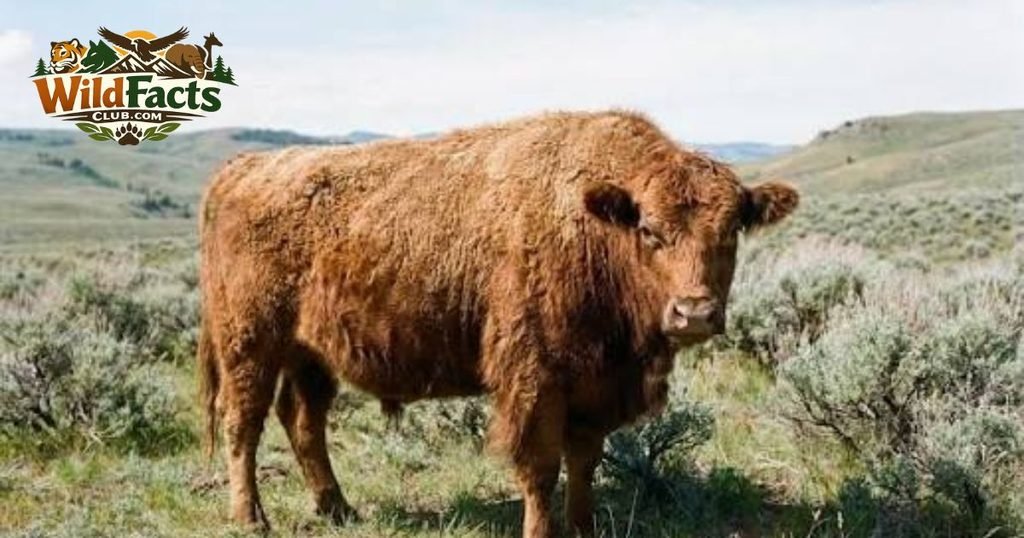
Beefalo is a hybrid produced by crossing domestic cattle with American bison. These animals combine characteristics of both cattle and bison. Beefalo were developed partly because breeders wanted animals that could provide useful agricultural characteristics while also benefiting from some of the hardiness associated with bison.
They can be raised for meat and may be adapted to various environmental conditions. Unlike some famous hybrids, beefalo can often reproduce, making them different from sterile hybrids such as mules.
Leopon
A leopon is a hybrid resulting from a male leopard and a female lion. Leopons can display a combination of characteristics from both parents. They may have a lion-like body shape while showing spots similar to those of a leopard.
Leopons are extremely uncommon and have primarily been produced in captivity. Because lions and leopards have different natural lifestyles and behaviors, such hybrids are not normally expected to occur frequently in the wild. Leopons provide another example of hybridization among closely related big cats.
Cama
A cama is a hybrid between a camel and a llama. This unusual hybrid was developed through artificial breeding. Camels and llamas are both members of the camel family, although they differ greatly in size and appearance.
A cama can inherit features from both animals and may have a body structure somewhere between its parents. Because of the large size difference between camels and llamas, producing such hybrids can require artificial reproductive techniques. Camas are rare and have mainly been created for scientific and breeding purposes.
Wholphin
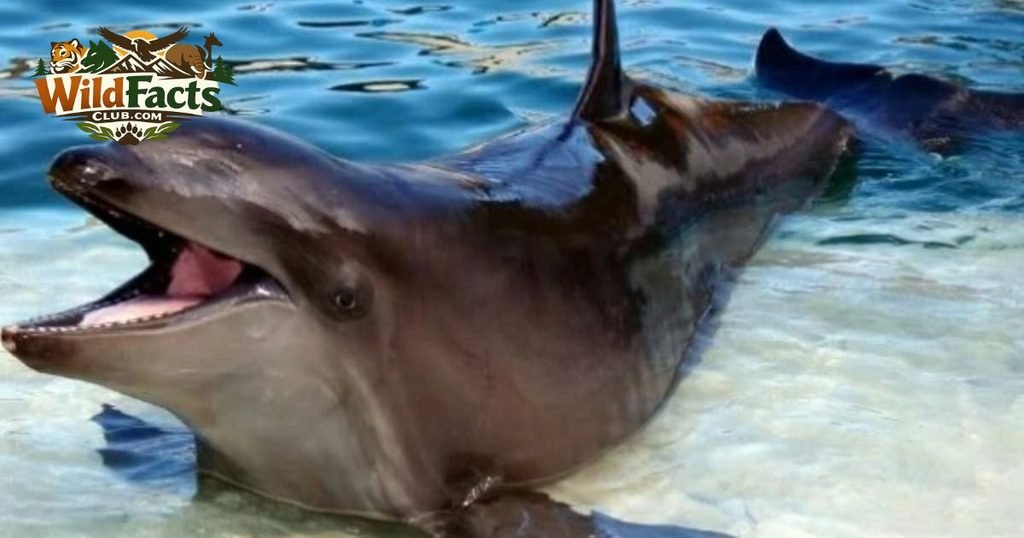
A wholphin is a rare hybrid involving a female bottlenose dolphin and a male false killer whale. Both animals belong to the dolphin family, making their genetic relationship closer than their common names might suggest.
Wholphins have physical characteristics that appear intermediate between their parents. They have been observed in captivity and are extremely uncommon. Some wholphins have been documented as fertile, which makes them particularly interesting to scientists studying hybridization, genetics, and reproduction in marine mammals.
Grolar Bear
A grolar bear, also called a pizzly bear, is a hybrid between a polar bear and a grizzly bear. Unlike many hybrids that are associated mainly with captivity, these bears have been documented in the wild.
Their occurrence is possible because polar bears and grizzly bears are closely related. Grolar bears may display a mixture of characteristics, including pale or cream-colored fur, a body shape influenced by both species, and physical features that fall between those of polar and grizzly bears. Their existence shows that hybridization can occur naturally under suitable environmental conditions.
Jaglion
A jaglion is a hybrid between a male jaguar and a female lion. These animals are extremely rare and have been produced in captivity. Jaglions may inherit the powerful body structure of a big cat while showing spotted patterns associated with jaguars.
Their appearance can vary depending on which genetic characteristics they inherit from their parents. Like other big-cat hybrids, jaglions are primarily of interest because they demonstrate the genetic similarities between different members of the cat family.
Why Do Hybrid Animals Exist?
Hybrid animals can exist because some species are closely related genetically. Although they are classified as different species, their reproductive systems may still be compatible enough to produce offspring. Natural hybridization can occur when two related species live in overlapping habitats and encounter one another.
Environmental changes can sometimes increase contact between species that previously had little interaction. Human breeding programs have also created many hybrids intentionally. Farmers, breeders, and researchers may cross animals to study genetics or combine desirable characteristics.
Read More: 25 Amazing Animals That Live In The Savanna: Complete Guide
Are Hybrid Animals Always Sterile?
No, hybrid animals are not always sterile. Fertility depends on the species involved and their genetic compatibility. Many male hybrids are sterile because chromosomes from the two parents may not pair properly during the production of sperm.
The mule is a famous example. However, some female hybrids can occasionally be fertile, and certain hybrids, such as beefalo, can reproduce successfully. Fertility among hybrids is a complicated biological subject and varies considerably between different combinations of parent species.
Natural vs. Human-Created Hybrids
Some hybrid animals occur naturally, while others are created intentionally by humans. Natural hybrids are more likely when related species share a habitat or their geographic ranges overlap. Grolar bears provide an example of natural hybridization between polar bears and grizzly bears.
On the other hand, ligers, tigons, and camas have largely been produced through controlled breeding. Human-created hybrids may be developed for research, agriculture, or other purposes. However, breeding hybrids can raise ethical concerns, especially when animals are kept in unsuitable environments simply because people find their unusual appearance interesting.
Why Are Hybrid Animals Important?
Hybrid animals can help scientists understand evolution, genetics, and reproductive biology. Studying hybrids can reveal how closely related different species are and how their genes interact. Natural hybrids can also provide information about changes in animal populations and habitats.
In agriculture, hybridization has sometimes been used to combine useful traits from different animals. At the same time, researchers must consider animal welfare and conservation when studying or producing hybrids. Hybrid animals should not be created or maintained simply for entertainment without considering their health and quality of life.
Final Words
Hybrid animals are among the most fascinating examples of genetic diversity in the animal world. From the powerful liger and practical mule to the unusual wholphin and naturally occurring grolar bear, these animals demonstrate how closely related species can sometimes produce offspring. Some hybrids are sterile, while others can reproduce, depending on their genetic compatibility.
Hybridization can happen naturally or through human intervention, and it provides valuable information about evolution and genetics. Although hybrid animals are interesting to study, responsible breeding and animal welfare should always remain important considerations. Understanding hybrid animals gives us a deeper appreciation of the complex relationships between different species.
FAQs
What Are Hybrid Animals?
Hybrid animals are offspring produced when two different but usually closely related species, subspecies, or genetic groups reproduce. They can inherit physical and behavioral traits from both parents.
What Is The Most Famous Hybrid Animal?
The mule is one of the most famous hybrid animals. It is produced by crossing a male donkey with a female horse and has been used by humans for transportation and agricultural work for centuries.
Can Hybrid Animals Reproduce?
Some hybrid animals can reproduce, while others are sterile. Fertility depends on the genetic relationship between the parent species and how their chromosomes interact.