Small Monkey Breeds: A Complete Guide to Small Monkeys
Small monkeys are fascinating animals known for their intelligence, expressive faces, agile movements, and social personalities. When people search for small monkey breeds, they are often looking for information about the smallest monkey species, their appearance, behavior, habitat, and suitability as pets.
Monkeys are wild animals with complex social and environmental needs. This guide explores several popular small monkey species, explains their characteristics, and discusses important considerations before anyone thinks about keeping a monkey in captivity.
What Are Small Monkey Breeds?
The phrase “small monkey breeds” is commonly used online, although monkeys are technically divided into different species rather than domestic breeds like dogs or cats. Small monkey species can vary considerably in size, appearance, temperament, and natural habitat.
Some are tiny enough to fit comfortably in a person’s hands when young, while others can become much larger as adults. Popular examples include marmosets, tamarins, squirrel monkeys, and certain capuchin species, each with unique physical and behavioral characteristics.
Pygmy Marmoset
The pygmy marmoset is widely recognized as one of the smallest monkeys in the world. Native to parts of the western Amazon Basin, this tiny primate has a soft brownish coat, a small face, and a long tail that helps it balance among tree branches.
Adult pygmy marmosets generally weigh only a few hundred grams. Their extremely small size makes them especially popular in discussions about small monkey breeds, but their tiny bodies do not mean they are simple animals to care for.
Common Marmoset
The common marmoset is another well-known small monkey species. It has distinctive white ear tufts, a brown-and-gray coat, and a long tail. Native to Brazil, common marmosets spend much of their lives in trees and are highly active during the day.
They communicate through vocalizations, facial expressions, scent marking, and body movements. Their intelligence and social nature make them fascinating animals, but they require specialized environments, appropriate diets, companionship, and enrichment to maintain healthy physical and psychological development.
Squirrel Monkey
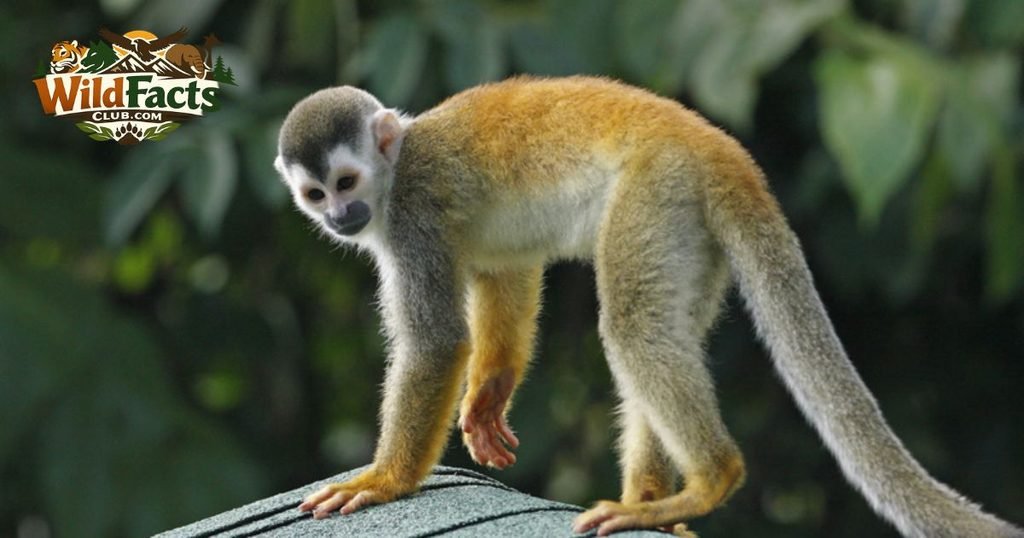
Squirrel monkeys are small, energetic primates found naturally in tropical regions of Central and South America. They have slender bodies, short fur, expressive faces, and relatively long tails. Squirrel monkeys are highly social and typically live in groups, sometimes containing many individuals.
Their active personalities can make them appear playful and entertaining. Their intelligence also means they require considerable stimulation. Anyone researching small monkey breeds should understand that a squirrel monkey is not equivalent to a conventional household pet.
Read More: Animals With Long Legs: 20 Fascinating Long-Legged Animals
Golden Lion Tamarin
The golden lion tamarin is one of the most visually striking small primates. It is famous for its bright reddish-orange mane surrounding its face, which gives the species its distinctive name.
These monkeys are native to Brazil’s Atlantic Forest and spend much of their time moving through trees. Golden lion tamarins are relatively small but remain complex wild animals. Conservation programs have played an important role in protecting this endangered species and restoring populations in suitable forest habitats.
Cotton-Top Tamarin
The cotton-top tamarin is another fascinating small primate recognized by the white crest of hair on its head. It is native to Colombia and is one of the world’s most endangered primates.
Cotton-top tamarins are highly social and live in family groups. They use a variety of vocalizations and behaviors to communicate with one another. Although their small size may attract attention from people searching for small monkey breeds, their endangered status makes responsible conservation and protection especially important.
Common Tamarin
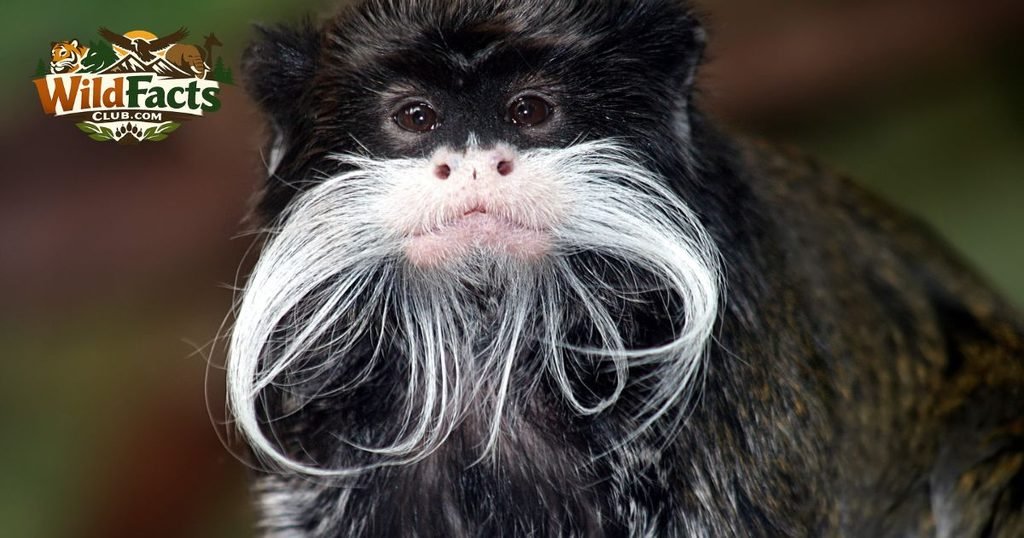
Tamarins are generally small-bodied monkeys with distinctive facial features and lively personalities. Depending on the species, their coats may include shades of brown, black, white, orange, or gold.
They are primarily arboreal and spend considerable time moving through vegetation in search of food. Tamarins commonly eat fruits, insects, flowers, nectar, and other natural foods. Their diets demonstrate why keeping a small primate healthy can be considerably more complicated than caring for a typical domestic animal.
Capuchin Monkeys
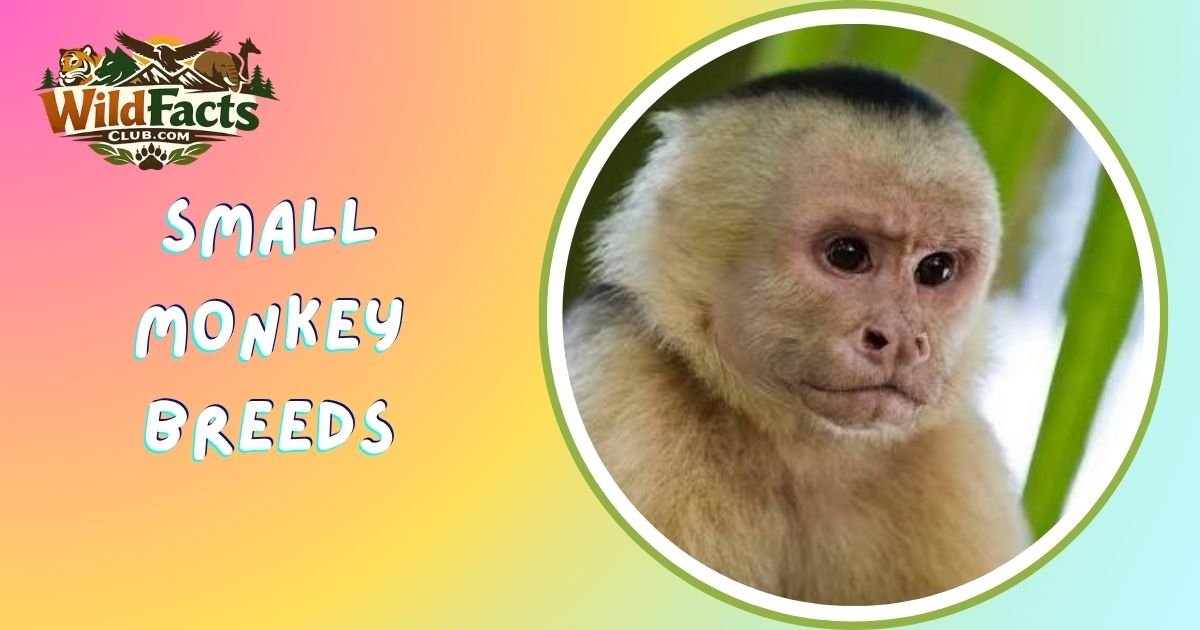
Capuchin monkeys are often included in searches for small monkey breeds, although some species can be considerably larger than the tiniest marmosets and tamarins. They are intelligent New World monkeys found in Central and South America. Capuchins have expressive faces and strong problem-solving abilities.
Their intelligence has made them popular in documentaries and scientific research. However, intelligence also brings demanding behavioral needs, and capuchins can become difficult to manage when their physical, social, and mental requirements are not met.
How Small Are the Smallest Monkeys?
The smallest monkey species can be remarkably tiny compared with many other primates. Pygmy marmosets are particularly notable because adults may weigh only a few hundred grams.
Their small stature helps them move efficiently through narrow branches and dense vegetation. Size should not be the only factor considered when comparing small monkey breeds. A tiny monkey can still require a large amount of space, specialized food, social interaction, veterinary care, environmental enrichment, and protection from stress.
What Do Small Monkeys Eat?
The diet of a small monkey depends on its species and natural environment. Marmosets and tamarins, for example, may consume fruits, insects, plant material, nectar, and tree exudates. Other monkeys have different nutritional requirements.
In captivity, simply providing fruit is not enough to create a balanced diet. Primates need carefully planned nutrition appropriate to their species. Poor diets can contribute to serious health problems, which is one reason specialized veterinary guidance is essential when discussing captive primate care.
Where Do Small Monkeys Live?
Most small monkey species naturally live in warm forest environments. Depending on the species, they may inhabit tropical rainforests, woodland, river forests, or other areas with abundant vegetation. Trees provide food, shelter, nesting opportunities, and routes for movement.
Their natural habitats also give them opportunities to climb, explore, forage, communicate, and interact socially. Understanding their wild environment is important because a small body does not mean a monkey can thrive in a small cage or ordinary indoor living space.
Small Monkey Behavior and Personality
Small monkeys are often curious, energetic, intelligent, and highly social. They can learn patterns, recognize individuals, solve problems, and communicate using sounds and body language.
Some species spend much of their day climbing, exploring, grooming, and searching for food. Their personalities can also vary between individuals. Although videos may make monkeys appear playful and easy to handle, real primate behavior can be much more complicated. Their natural instincts remain strong even when they are raised around humans.
Do Small Monkeys Make Good Pets?
Despite their small size and appealing appearance, small monkeys are generally not easy household pets. They have specialized dietary, environmental, social, and behavioral requirements that can be difficult to meet in a normal home.
Monkeys can also live for many years and may develop challenging behaviors as they mature. In addition, keeping primates may be restricted or prohibited by local laws. Anyone considering ownership should research animal welfare regulations and consult qualified exotic-animal professionals before making any decision.
Legal Considerations for Keeping Monkeys
Laws concerning monkey ownership differ significantly between countries, states, provinces, and municipalities. Some jurisdictions prohibit private ownership of primates, while others require permits, inspections, specialized facilities, or other conditions. Rules can also change over time.
Therefore, people searching for small monkey breeds for sale should not assume that a small species is automatically legal to own. Before acquiring any primate, check current regulations with the appropriate wildlife, veterinary, or animal-control authority in your area.
Caring for Small Monkeys
Proper primate care involves far more than food and a cage. Small monkeys need safe climbing structures, opportunities to forage, environmental enrichment, appropriate temperatures, social interaction, and specialized veterinary attention. Their enclosure must provide enough room for natural movement and exploration. Cleanliness and diet are also extremely important.
Because monkeys are intelligent and social animals, inadequate stimulation can contribute to stress and abnormal behavior. Responsible care should always prioritize the animal’s long-term welfare rather than its novelty or entertainment value.
Why Social Interaction Matters
Most monkeys are naturally social animals, and many species live in family groups or larger communities in the wild. Social relationships influence grooming, communication, feeding, learning, and emotional well-being. Separating a young monkey from its mother or social group can create serious welfare concerns.
Human companionship cannot always replace interaction with members of the same species. This is an important consideration when evaluating small monkey breeds, because their tiny size can sometimes cause people to underestimate how socially demanding they are.
Small Monkeys and Conservation
Many small monkey species face threats from habitat destruction, hunting, illegal wildlife trade, and other human activities. Some species have experienced significant population declines, making conservation programs especially important. Protecting forests and supporting responsible wildlife organizations can help preserve these remarkable animals in their natural environments.
Rather than focusing only on obtaining a monkey as a pet, animal lovers can contribute to conservation by learning about endangered species, supporting legitimate conservation projects, and avoiding purchases that could encourage illegal or irresponsible wildlife trade.
Choosing the Right Small Monkey Species
There is no single “best” small monkey for everyone. Different species have different diets, social structures, activity levels, habitat requirements, and conservation situations. Pygmy marmosets are extremely small, while squirrel monkeys and capuchins have different physical and behavioral needs.
Instead of choosing a species based solely on appearance, prospective owners should consider welfare, legality, veterinary access, space, long-term costs, and the animal’s social requirements. In many cases, observing monkeys through accredited zoos or sanctuaries is a safer and more ethical alternative.
Final Thoughts
Small monkey breeds include some of the most fascinating and visually distinctive primates on Earth. From tiny pygmy marmosets to colorful tamarins and energetic squirrel monkeys, each species has unique characteristics and specialized needs.
Their small size can be appealing, but responsible animal care requires understanding their intelligence, social behavior, diet, habitat, and long-term welfare. For most people, learning about these animals through reputable zoos, documentaries, conservation programs, and wildlife sanctuaries is a better option than attempting to keep a wild primate as a household pet.
FAQs
What Are Some Popular Small Monkey Breeds?
Popular Small Monkey Species Include Pygmy Marmosets, Common Marmosets, Tamarins, Squirrel Monkeys, And Some Capuchin Species. Each Has Different Characteristics, Dietary Requirements, Social Needs, And Habitat Preferences, So They Should Not Be Treated Like Ordinary Domestic Pets.
Can Small Monkeys Be Kept As Pets?
Small Monkeys Are Generally Difficult To Keep As Pets Because They Have Complex Social, Dietary, Environmental, And Behavioral Needs. Ownership May Also Be Restricted By Local Laws. Their Small Size Does Not Mean They Are Low-Maintenance Animals Or Suitable For A Typical Household.
What Do Small Monkeys Eat?
Small Monkeys Have Species-Specific Diets. Depending On The Species, They May Eat Fruits, Insects, Flowers, Nectar, Seeds, Leaves, And Plant Exudates. Captive Monkeys Require Carefully Balanced Nutrition, And Their Diet Should Be Developed With Guidance From A Qualified Exotic-Animal Veterinarian.