Clumsy Animals: A Fascinating List of Animals That Are Surprisingly Awkward
Some animals are famous for their speed, balance, or graceful movements, while others seem to stumble through life. These clumsy animals may trip, wobble, fall, or struggle to move smoothly, but their awkward behavior often makes them even more fascinating.
Clumsiness can result from body shape, short legs, unusual proportions, poor eyesight, or simply the way an animal moves. In this article, we explore some of the most entertaining and surprisingly awkward animals in nature.
What Makes an Animal Clumsy?
Animal clumsiness does not necessarily mean an animal is weak or poorly adapted. Many animals have body structures designed for specific purposes rather than graceful movement. Large bodies, tiny feet, long limbs, unusual shapes, or limited vision can make movement look awkward. Some animals are also clumsy only on land but become excellent swimmers or climbers. What looks like a mistake to humans may actually be a perfectly normal movement for that species.
List of Clumsy Animals
- Penguins
- Sloths
- Pandas
- Koalas
- Hippopotamuses
- Wombats
- Turkeys
- Ostriches
- Elephant Seals
- Flamingos
- Otters
- Chickens
- Baby Elephants
- Giraffes
- Alpacas
Penguins
Penguins are among the most recognizable clumsy animals when they walk on land. Their upright bodies, short legs, and wide feet create a distinctive waddling motion. Although they may appear awkward while walking, penguins are incredibly graceful underwater. Their streamlined bodies and powerful flippers allow them to swim quickly and efficiently. Their land-based clumsiness is therefore a trade-off for becoming highly specialized aquatic birds.
Sloths
Sloths are famous for their extremely slow and deliberate movements. Their long limbs, curved claws, and relaxed body structure make them look awkward when moving across the ground. Sloths are much more comfortable in trees, where their claws help them hang from branches. On land, their movements can seem particularly clumsy because their bodies are adapted primarily for life in the treetops rather than fast walking.
Read More: Small Monkey Breeds: A Complete Guide to Small Monkeys
Pandas
Giant pandas often look surprisingly awkward when climbing, rolling, or walking. Their round bodies, short legs, and large heads contribute to their amusing movements. Pandas sometimes tumble while playing or climbing trees, which has made them popular in videos and documentaries. Despite their apparent clumsiness, pandas are capable climbers and strong animals. Their awkward appearance is largely caused by their unusual body proportions rather than a lack of physical ability.
Koalas
Koalas may look clumsy when moving along the ground because their bodies are primarily adapted for climbing trees. They have strong limbs and sharp claws that allow them to grip eucalyptus branches securely. On flat surfaces, their movement can appear slow and awkward. Koalas spend much of their lives in trees, so their unusual walking style is less important than their ability to climb, balance, and hold onto branches.
Hippopotamuses
Hippopotamuses are enormous animals with barrel-shaped bodies and relatively short legs. Their size can make their movements appear surprisingly awkward, particularly when they run on land. Despite their bulky appearance, hippos can move much faster than people might expect. They are also excellent swimmers and spend considerable time in water. Their powerful bodies are designed for strength and survival rather than the elegant movements associated with smaller, lighter animals.
Wombats
Wombats have short legs, sturdy bodies, and a low-to-the-ground appearance that can make them look somewhat clumsy. They normally walk and run with a distinctive movement that reflects their compact body structure.
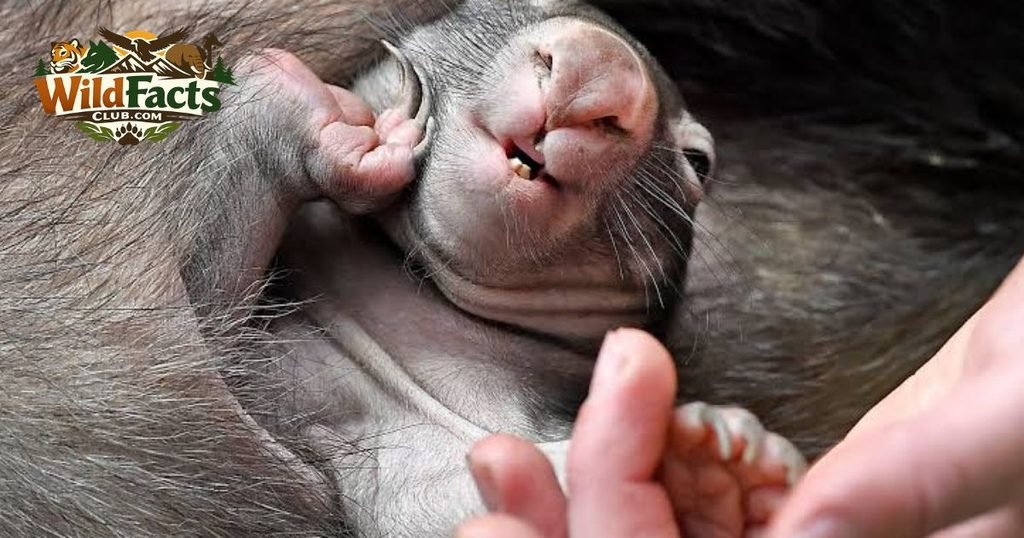
Wombats are stronger and faster than their appearance suggests. Their powerful legs and sturdy bodies help them dig impressive burrows. Their seemingly awkward shape is actually useful for surviving in their natural Australian habitats.
Turkeys
Turkeys can look remarkably awkward when they run, turn suddenly, or flap their wings. Their relatively large bodies and long legs create an unusual combination that sometimes results in jerky movements. Domestic turkeys can appear especially clumsy because selective breeding has changed their body proportions. Wild turkeys, however, are surprisingly agile and capable of running quickly. Their awkward moments should not be mistaken for an inability to escape predators.
Ostriches
Ostriches are the world’s largest living birds, and their enormous size combined with extremely long legs can make their movements look unusual. When they run, their long strides can appear awkward to human observers, especially when they suddenly change direction. However, ostriches are actually incredibly fast and efficient runners. Their powerful legs allow them to reach impressive speeds, demonstrating that an animal can look clumsy while being exceptionally well adapted.
Elephant Seals
Elephant seals are massive marine mammals that can look extremely awkward when moving across beaches. Their enormous bodies and flipper-like limbs are much better suited to life in the ocean than walking on land.
They often move by wriggling or pushing their bodies forward. In water, however, they become powerful and capable swimmers. Their land-based awkwardness is a good example of how specialization can make an animal clumsy outside its preferred environment.
Flamingos
Flamingos are famous for their elegant appearance, but they can look surprisingly awkward when taking off, landing, or moving through shallow water. Their extremely long legs and necks require careful coordination.
Running before flight can involve several quick steps that look somewhat chaotic. Once airborne, flamingos become much more graceful. Their unusual body design allows them to feed effectively in wetlands and maintain balance while standing on one leg.
Otters
Otters are generally agile swimmers, but they can sometimes appear clumsy when moving around unfamiliar surfaces. Their flexible bodies, short legs, and playful behavior can result in rolling, sliding, and unexpected movements.
On land, they may look less coordinated than they do in water. Their apparent clumsiness is often mixed with curiosity and playfulness. In aquatic environments, otters are highly capable animals with excellent swimming and diving abilities.
Chickens
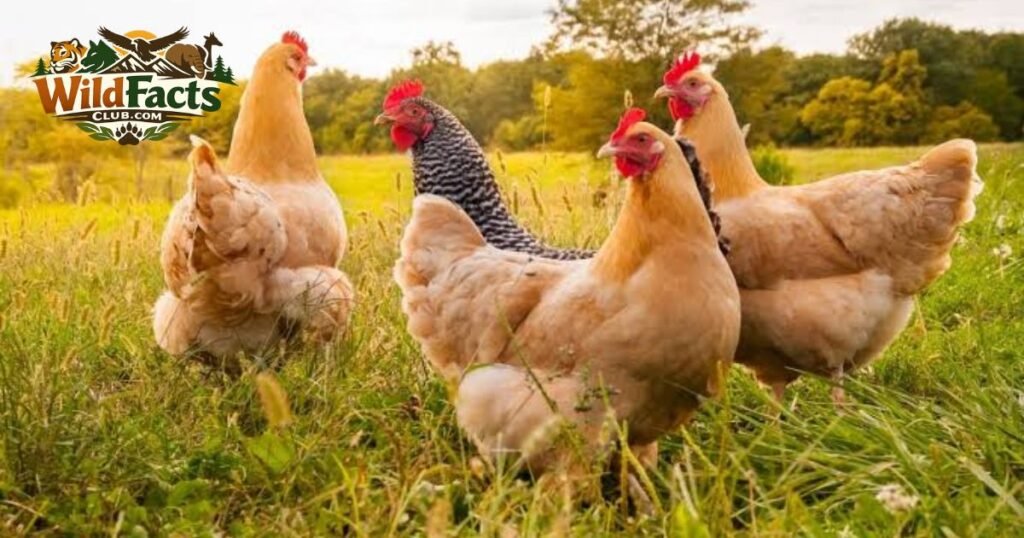
Chickens can be surprisingly entertaining because of their quick, unpredictable movements. They may suddenly run, flap their wings, jump, or change direction without warning. Their round bodies and short wings can make these movements appear clumsy.
Chickens are not built for sustained flight, but they can sprint, jump, and escape danger when necessary. Their awkward behavior is often simply a result of their unique body structure and active temperament.
Baby Elephants
Adult elephants are generally coordinated despite their enormous size, but baby elephants are famous for their adorable lack of coordination. Young elephants are still learning how to control their trunks, legs, and large bodies. They may stumble, trip over their own feet, or struggle to use their trunks properly. These moments are part of normal development. As they grow and gain experience, their coordination improves considerably.
Giraffes
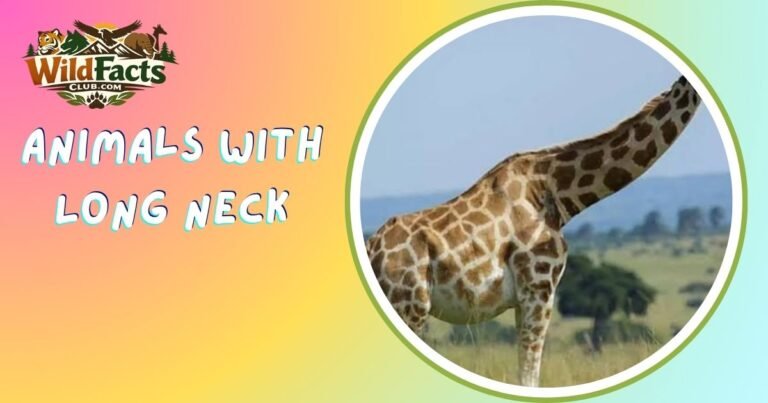
Giraffes have one of the most unusual body structures in the animal kingdom. Their extremely long legs and necks can make certain movements appear awkward, particularly when they stand up, lie down, or drink water. They must spread their front legs and carefully lower their long necks to reach the ground. Despite this appearance, giraffes are capable runners and can move efficiently across open landscapes when threatened.
Alpacas
Alpacas are generally calm animals, but their fluffy bodies and relatively slender legs can make their movements look amusing. They may stumble while running or make sudden jumps when startled. Their long necks and thick coats add to their unusual appearance. Alpacas are well adapted to mountainous environments, where they can move over uneven ground. Their occasional awkwardness does not prevent them from navigating challenging landscapes successfully.
Why Are Some Animals More Clumsy Than Others?
Clumsiness can develop from several physical and environmental factors. Body proportions are one of the biggest influences. Animals with unusually long legs, large bodies, short limbs, or oversized heads may require more coordination. Habitat also matters. A seal may be awkward on land but excellent in water, while a sloth may struggle on the ground but move confidently through trees. Therefore, clumsiness is often relative to an animal’s environment.
Are Clumsy Animals Actually Bad at Surviving?
Not at all. An animal that appears clumsy to humans can be extremely successful in its natural habitat. Penguins are excellent swimmers, sloths are specialized tree dwellers, and hippos are powerful aquatic mammals.
Their unusual movements are usually connected to physical adaptations that help them survive. Evolution does not necessarily favor beauty or grace; it favors characteristics that allow animals to find food, reproduce, avoid danger, and survive in their environment.
The Fun Side of Clumsy Animals
Clumsy animals have become popular because their unusual movements are entertaining and relatable. Videos of pandas rolling down slopes, baby elephants learning to use their trunks, or penguins stumbling across ice often attract millions of viewers.
Their behavior reminds people that animals do not always move perfectly. These moments can also provide educational opportunities by showing how anatomy, habitat, and behavior are connected in the natural world.
Final Thoughts on Clumsy Animals
The world of clumsy animals is much more interesting than it may first appear. Penguins, pandas, sloths, hippos, giraffes, baby elephants, and many other species may look awkward, but their movements often reflect remarkable adaptations.
What seems clumsy from a human perspective may be perfectly suited to a particular habitat. These animals show us that survival is not always about looking graceful it is about being adapted to the environment where life takes place.
FAQs
What Are Clumsy Animals?
Clumsy animals are species that may appear awkward or uncoordinated when they walk, run, climb, or move. Their unusual movements are often caused by body shape, size, short legs, long limbs, or adaptations to a particular habitat.
What Is the Most Clumsy Animal?
Penguins are often considered one of the most clumsy animals on land because of their waddling walk. However, they are excellent swimmers and move much more gracefully in water.
Are Clumsy Animals Bad at Surviving?
No. Looking clumsy does not mean an animal is poorly adapted. Many clumsy animals are excellent at surviving in their environments. For example, sloths are highly adapted to trees, while penguins are specialized for life in water.