Weakest Animals in the World: 15 Surprisingly Fragile Animals
The weakest animals in the world are fascinating creatures that survive despite having limited strength, delicate bodies, or unique physical disadvantages. Some animals are so small that a slight change in their environment can threaten them, while others depend on camouflage, cooperation, or special survival strategies instead of physical power. Although they may appear defenseless, these animals have developed remarkable adaptations that help them find food, escape predators, and survive in challenging habitats.
What Are the Weakest Animals in the World?
The weakest animals in the world are generally those that have limited physical strength, fragile bodies, or few defenses against predators. Weakness does not always mean an animal is unsuccessful at survival. Many delicate creatures thrive because they reproduce quickly, hide from danger, or live in protected environments. Their physical limitations make them interesting examples of how nature balances vulnerability with specialized adaptations that support survival.
Pygmy Shrew
The pygmy shrew is one of the smallest mammals in the world, making it an interesting example of a physically delicate animal. Its tiny body requires enormous amounts of energy, so it must eat frequently to survive. Although it can move quickly and hunt small insects, its small size makes it vulnerable to larger predators. Cold temperatures and food shortages can also threaten this miniature mammal, demonstrating the challenges associated with having an extremely small body.
Butterfly
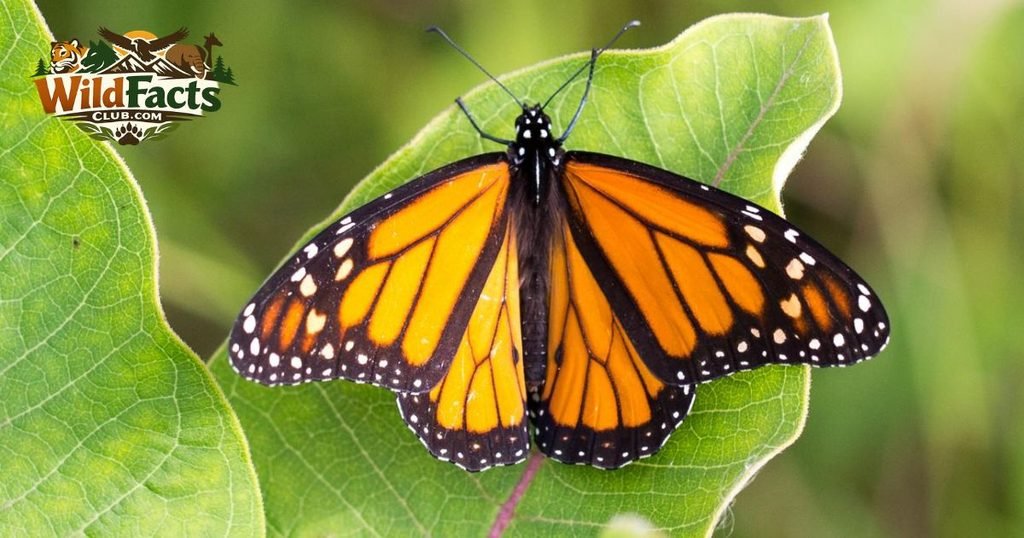
Butterflies are beautiful insects with delicate wings and lightweight bodies. Their wings can be damaged by rough handling, strong winds, or other environmental conditions. Most butterflies cannot fight larger predators using physical strength, so they depend on camouflage, rapid flight, and sometimes toxic chemicals acquired during their larval stages.
Their fragile appearance does not prevent them from traveling considerable distances during migration. Nevertheless, habitat destruction, extreme weather, and pollution can make survival difficult for many butterfly species.
Jellyfish
Jellyfish have soft, gelatinous bodies composed mostly of water, which makes them appear extremely fragile. They lack bones, a brain, and a complex heart, and many species drift with ocean currents rather than swimming powerfully against them.
Their delicate bodies can be damaged by physical contact or unsuitable environmental conditions. Jellyfish are not entirely defenseless because many possess stinging cells that help them capture prey and discourage predators. Their simple body structure is well suited to life in aquatic environments.
Earthworm
Earthworms have soft, elongated bodies without bones, legs, or hard protective coverings. Their delicate skin must remain moist to support gas exchange, making dry conditions especially dangerous. Birds, moles, and other animals commonly feed on earthworms, leaving them vulnerable when they emerge from the soil.
Despite these disadvantages, earthworms play an important ecological role by improving soil structure and helping decompose organic matter. Their ability to burrow underground protects them from many predators and helps them survive changing environmental conditions.
Sea Butterfly
Sea butterflies are tiny marine snails that swim through the ocean using winglike extensions of their feet. Many species have delicate, transparent bodies and extremely thin shells, while some lack shells altogether. These characteristics make them vulnerable to predators and changes in ocean chemistry.
Ocean acidification can particularly threaten species with calcium carbonate shells. Despite their fragile structure, sea butterflies form an important part of marine food webs because they provide nourishment for fish and other ocean animals.
Rabbit
Rabbits are not necessarily weak in every physical sense, but they are vulnerable animals that rely heavily on avoiding danger. Their lightweight bodies and limited defensive abilities make them potential prey for foxes, hawks, snakes, and other predators.
Rabbits usually survive through quick movements, strong hind legs, sensitive hearing, and hiding in vegetation or burrows. Domestic rabbits can be especially vulnerable when frightened or handled improperly. Their survival depends on recognizing danger early and reaching a secure hiding place.
Goldfish
Goldfish are small freshwater fish that can be vulnerable to poor water quality, sudden temperature changes, and diseases. Their delicate gills require suitable oxygen levels, while harmful substances in an aquarium can quickly affect their health.
They also lack strong physical defenses against larger fish and aquatic predators. Although goldfish can survive in well-maintained environments for many years, they require proper care to remain healthy. Their vulnerability is often related more to environmental conditions than to an absolute lack of strength.
Read More: Pointy Animals: 25 Fascinating Animals With Pointed Features
Sloth
Sloths are famous for their slow movements and relaxed behavior, which can make them seem weak compared with faster mammals. They conserve energy by moving slowly and feeding mainly on leaves, which provide relatively little energy.
Sloths can be vulnerable to predators because they move awkwardly and cannot escape as easily as many other animals. However, they have strong gripping claws that help them hang from branches and remain protected in trees. Their slow lifestyle is an adaptation rather than simply a disadvantage.
Sea Cucumber
Sea cucumbers are soft-bodied marine animals that move slowly across the ocean floor. They lack the hard shells and powerful limbs found in many other marine creatures, making some species vulnerable to predators. Their bodies can be damaged by rough handling, and environmental changes may affect their survival.
Certain sea cucumbers possess unusual defense mechanisms, including releasing sticky substances or expelling internal organs when threatened. These strategies can discourage predators and demonstrate that a seemingly weak animal may still possess effective protection.
Silkworms
Silkworms are the caterpillar stage of domesticated silk moths and have soft bodies that offer little physical protection. They cannot run quickly or fight predators effectively, so they depend on feeding, growing, and eventually forming protective cocoons. In nature, caterpillars face threats from birds, insects, and parasites.
Domesticated silkworms are particularly dependent on humans because they have been selectively bred for silk production and generally cannot survive independently as effectively as many wild moths. Their delicate bodies make suitable environmental conditions essential.
Final Words
The weakest animals in the world show that survival does not always require size, speed, or powerful muscles. From tiny pygmy shrews and delicate butterflies to soft-bodied jellyfish and slow-moving sloths, each animal has unique characteristics that influence its survival.
Many rely on camouflage, specialized habitats, protective behaviors, or unusual defenses to overcome their limitations. Learning about these animals helps us appreciate the diversity of nature and understand why protecting vulnerable species and their habitats is important.
FAQs
What Is The Weakest Animal In The World?
The sloth is often considered one of the weakest animals because it moves slowly and has limited energy for rapid movement. Weakness depends on the characteristics being compared.
Which Animals Are Physically Weak?
Butterflies, earthworms, jellyfish, silkworms, and small fish have delicate bodies or limited physical defenses, making them vulnerable to predators and environmental changes.
Why Are Some Animals So Weak?
Some animals have evolved small bodies, soft skin, or slow movements because these characteristics suit their environments. They survive through camouflage, hiding, specialized defenses, or rapid reproduction.