
Big Scary Animals: Discover the World’s Most Frightening Creatures
Big Scary animals are creatures that frighten people because of their appearance, size, behavior, or dangerous abilities. Some have sharp teeth, powerful claws, venomous bites, or unusual body shapes that make them look terrifying. Others live in dark forests, deep oceans, and remote deserts. Although many scary animals appear frightening, most play important roles in nature. Learning about these creatures helps us understand their habitats, survival strategies, and behavior.
List Of Big Scary Animals
- Great White Shark
- Saltwater Crocodile
- Lion
- Tiger
- African Elephant
Great White Shark
The great white shark is one of the most famous scary animals found in the world’s oceans. It has a powerful body, sharp triangular teeth, and an excellent sense of smell. These predators hunt fish, seals, and other marine animals. Their large size and sudden movements make them frightening to many people. However, great white sharks do not usually target humans as prey, and they play an important role in maintaining healthy marine ecosystems.
Saltwater Crocodile
The saltwater crocodile is one of the largest living reptiles and a powerful predator. It inhabits coastal waters, rivers, and mangrove swamps across parts of Asia and Australia. Its muscular body, armored skin, strong jaws, and excellent swimming ability make it extremely dangerous. Saltwater crocodiles can attack quickly when prey comes within reach. People should remain away from crocodile habitats and follow warning signs because these animals can be unpredictable and potentially fatal.
Lion
The lion is a large wild cat known for its powerful build, sharp claws, and impressive roar. Lions live mainly in African grasslands, savannas, and some protected habitats. They hunt animals such as zebras, antelopes, and buffalo, often working together as a group. Their muscular bodies and strong jaws make them formidable predators. Although lions may look majestic in photographs, they are dangerous wild animals that require distance, respect, and protection in their natural environment.
Tiger
Tigers are among the most frightening and powerful members of the cat family. Their orange coats, black stripes, sharp teeth, and muscular legs help them hunt effectively in forests and grasslands. Tigers usually live alone and rely on stealth to approach prey before attacking. They can bring down large animals using their strength and powerful jaws. Although tiger attacks on humans are uncommon in many regions, tigers remain dangerous predators and need secure habitats to survive.
Black Mamba
The black mamba is a highly venomous snake native to parts of sub-Saharan Africa. Despite its name, its body is usually gray, brown, or olive-colored, while the inside of its mouth is dark black. It can move rapidly and may defend itself if threatened. Its venom can cause life-threatening symptoms without urgent medical treatment. Black mambas generally avoid humans when possible, but anyone who encounters one should keep a safe distance and never try to handle or kill it.
Box Jellyfish
The box jellyfish is a marine animal known for its nearly transparent body and extremely painful, sometimes life-threatening sting. Several species occur in tropical waters, particularly around northern Australia and parts of the Indo-Pacific. Their long tentacles contain specialized cells that inject venom when they contact skin. Because they can be difficult to see in water, swimmers may not notice them nearby. Following local beach warnings, using recommended protective clothing, and avoiding restricted waters can reduce the risk of dangerous encounters.
Hippopotamus
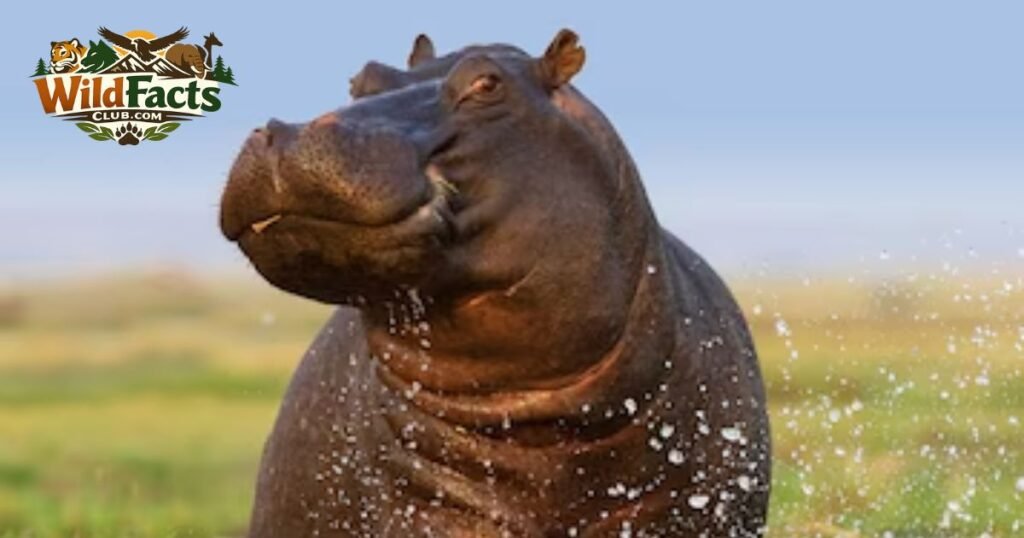
The hippopotamus may appear peaceful while resting in rivers, but it is considered one of Africa’s most dangerous large mammals. It has an enormous mouth, powerful jaws, large canine teeth, and surprisingly fast short-distance running. Hippos can become aggressive when they feel threatened, especially while protecting their young or moving between water and land. People should never approach hippos in rivers or on riverbanks because their behavior can be unpredictable and attacks can be fatal.
Komodo Dragon
The Komodo dragon is the world’s largest living lizard and is native to several Indonesian islands. It has a muscular body, strong legs, sharp claws, and a long, forked tongue that helps it detect chemical signals. Komodo dragons hunt deer, wild pigs, and other animals, sometimes using ambush tactics. Their bites can cause severe injuries, and their venom contributes to the effects of an attack. Visitors should always follow park guides and remain at a safe distance from these impressive reptiles.
African Elephant
African elephants are the largest land animals on Earth and can look intimidating because of their enormous size, long tusks, and powerful trunks. They usually live in social family groups and feed on grasses, leaves, bark, and fruit. Despite their generally peaceful feeding behavior, elephants can become dangerous when frightened, injured, or protecting their calves. Their size allows them to cause serious damage unintentionally or during defensive charges. Observing elephants from a safe distance is essential for both people and wildlife.
Grizzly Bear
The grizzly bear is a large brown bear found in parts of North America. It has powerful muscles, long claws, a prominent shoulder hump, and a strong sense of smell. Grizzly bears eat a varied diet that includes plants, insects, fish, and mammals. They may become aggressive when surprised at close range, defending food, or protecting cubs. Hikers in bear country should follow local safety guidance, store food properly, and avoid approaching bears for photographs.
Wolf
Wolves are intelligent wild canines that live in forests, tundra, mountains, and grasslands across several continents. They have strong jaws, sharp teeth, excellent hearing, and a powerful sense of smell. Wolves often hunt in family groups and communicate through howling, body language, and scent marking. Their reputation in stories sometimes makes them seem more dangerous than they usually are to people. Nevertheless, wolves are wild predators and should never be approached, fed, or cornered.
Deathstalker Scorpion
The deathstalker scorpion is a venomous scorpion found in desert and arid regions of North Africa and the Middle East. Its yellowish body and curved tail help it blend into sandy surroundings. It uses its pincers and venomous stinger to capture insects and defend itself. A sting can cause serious medical complications, particularly in children and vulnerable individuals. Although these scorpions generally avoid people, they may hide beneath rocks or inside sheltered spaces, so caution is important in their habitat.
Piranha
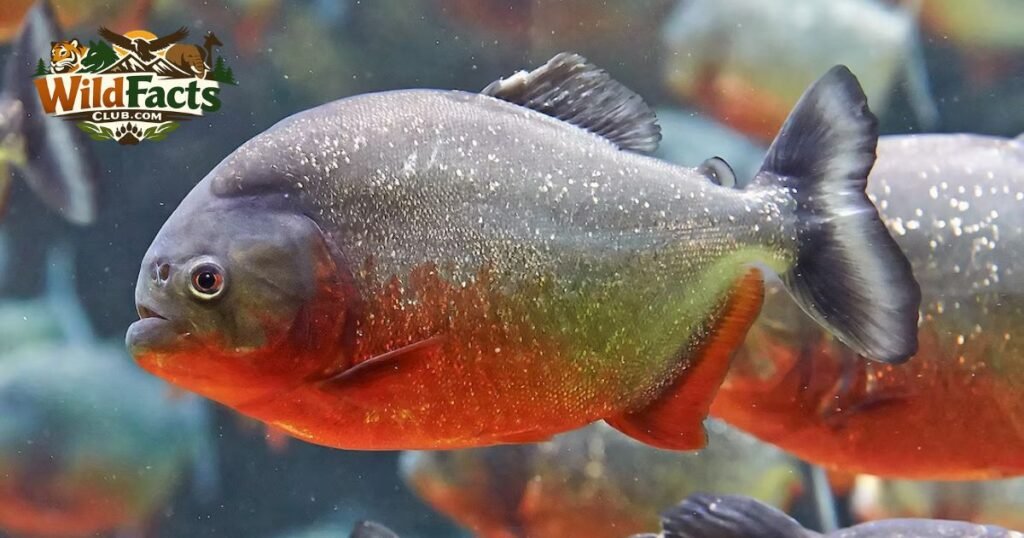
Piranhas are freshwater fish native mainly to South American rivers and surrounding waterways. They have compact bodies, strong jaws, and sharp teeth designed for cutting food. Their diet varies among species and may include fish, insects, fruits, and other animal material. Popular films often exaggerate their tendency to attack large animals in groups. Although bites can occur, piranhas are not constantly hunting humans. They remain fascinating predators that help form part of the complex freshwater food web.
Golden Eagle
The golden eagle is a powerful bird of prey found across parts of North America, Europe, Asia, and northern Africa. Its broad wings, hooked beak, sharp talons, and excellent eyesight make it an effective hunter. It feeds on mammals and birds, sometimes catching prey larger than expected for a flying predator. Golden eagles usually avoid people, but their powerful feet and claws can cause injuries if they are handled or cornered. These magnificent birds deserve protection and undisturbed nesting habitats.
Read More: Animals with Long Neck: A Complete Guide to Long-Necked Animals
Funnel-Web Spider
The Sydney funnel-web spider is a medically significant spider native to eastern Australia. It has a dark, glossy body, strong fangs, and a defensive posture that can appear frightening. It often lives in moist burrows and may wander during wet weather. Its venom can cause severe symptoms, making immediate emergency treatment important after a suspected bite. People should not attempt to capture funnel-web spiders with bare hands. Professional wildlife handlers can safely manage encounters when necessary.
African Buffalo
The African buffalo is a large, heavily built mammal found in sub-Saharan Africa. It has muscular shoulders, dark skin, and impressive horns that often curve outward and upward. Buffaloes usually graze in herds and can defend themselves effectively against predators. When injured, cornered, or threatened, they may charge with remarkable speed and strength. Their unpredictable defensive behavior makes them dangerous to approach on foot. Safari visitors should remain inside authorized vehicles and follow the instructions of trained guides.
Inland Taipan
The inland taipan is a highly venomous snake native to the arid regions of central Australia. It is sometimes called the fierce snake, although it generally avoids human contact. Its color can vary seasonally, helping it adapt to changing environmental conditions. The snake feeds mainly on small mammals and uses venom to subdue prey quickly. A bite is a medical emergency requiring urgent professional care. Despite its frightening reputation, encounters with people are rare because of its remote habitat.
Leopard
Leopards are powerful wild cats known for their spotted coats, strong climbing abilities, and exceptional stealth. They live in parts of Africa and Asia, occupying forests, mountains, grasslands, and other habitats. Leopards hunt animals ranging from rodents to deer and can carry prey into trees. Their ability to remain hidden makes them particularly difficult to spot in the wild. Although they usually avoid people, leopards can be dangerous when threatened or trapped, so wildlife encounters require caution.
Orca
The orca, also called the killer whale, is a large marine mammal recognized by its black-and-white body pattern and powerful tail. Orcas live in oceans worldwide and hunt fish, squid, seals, and other marine mammals depending on their population. They use sophisticated communication and cooperative hunting strategies to capture prey. Their size, speed, and intelligence make them impressive ocean predators. Wild orcas have not been documented killing humans in the wild, but their power means people should respect their space.
Goliath Birdeater
The Goliath birdeater is one of the world’s largest spiders by mass and body size. It lives in the rainforests of northern South America, where it hunts insects and small animals. Its hairy legs, large fangs, and impressive size can make it frightening to people who dislike spiders. Despite its name, it rarely eats birds. Its bite can be painful, and its irritating abdominal hairs may cause discomfort. It generally prefers to avoid humans rather than attack them.
Hyena
Hyenas are powerful carnivorous mammals found in parts of Africa and Asia. Spotted hyenas are especially recognizable because of their strong jaws, sloping backs, and distinctive vocalizations that can sound like laughter. They hunt live prey and also scavenge carcasses, helping remove remains from the environment. Hyenas are intelligent animals with complex social groups. Although they can be dangerous, they usually avoid people when possible. Feeding or approaching wild hyenas is unsafe and can encourage dangerous interactions.
Final Words
Scary animals come in many forms, from venomous snakes and spiders to enormous mammals and powerful ocean predators. Their frightening appearances and abilities often reflect adaptations that help them survive, hunt, or defend themselves. However, these creatures are not necessarily aggressive toward humans, and many prefer to avoid contact. Understanding their behavior, respecting their habitats, and following wildlife safety guidance can prevent dangerous encounters. Every animal, even one that seems terrifying, has a valuable role in maintaining the balance of nature.
FAQs
What Are The Biggest And Scariest Animals In The World?
Some of the biggest and scariest animals in the world include elephants, great white sharks, saltwater crocodiles, polar bears, and hippopotamuses. These animals are known for their impressive size, strength, and ability to defend themselves.
What Is The Scariest Big Animal On Earth?
The saltwater crocodile is often considered one of the scariest big animals because of its powerful jaws, enormous size, and ambush-hunting skills. The scariest animal depends on personal opinions and the type of danger being considered.
Which Big Scary Animals Are Dangerous To Humans?
Animals such as hippopotamuses, elephants, crocodiles, lions, and polar bears can be dangerous to humans. They may attack when threatened, surprised, protecting their young, or defending their territory.