25 Amazing Animals That Live In The Savanna: Complete Guide
The savanna is one of the most fascinating natural habitats in the world, known for its wide grasslands, scattered trees, warm climate, and incredible variety of wildlife. Many famous animals live in this environment because they are specially adapted to survive its hot temperatures, seasonal rainfall, and long dry periods.
The animals that live in the savanna include lions, elephants, giraffes, zebras, cheetahs, wildebeest, hyenas, rhinoceroses, hippos, antelopes, and many species of birds and reptiles. Each animal has an important role in the ecosystem, from large predators that control herbivore populations to grazing animals that shape the grasslands. The savanna may look open and simple, but it supports a complex community of plants and animals.
What Is A Savanna?
A savanna is a large ecosystem characterized by grasses with scattered trees and shrubs. Savannas are generally found in warm regions where there is enough rainfall to support grasslands but not enough continuous rainfall to create dense forests. These habitats experience distinct wet and dry seasons, which strongly influence the lives of local animals. During the rainy season, grasses grow quickly and provide abundant food for herbivores.
During the dry season, water and fresh vegetation become harder to find, forcing many animals to travel long distances. Savannas occur in several parts of the world, including Africa, South America, Australia, and parts of Asia. The African savanna is especially famous for its diverse wildlife and is home to some of the world’s most recognizable animals.
List Of Animals That Live In The Savanna
- Lion
- African Elephant
- Giraffe
- Zebra
- Cheetah
- Wildebeest
- African Buffalo
- Rhinoceros
- Hippopotamus
- Leopard
- Hyena
- African Wild Dog
- Warthog
- Gazelle
- Impala
- Ostrich
- Meerkat
- Baboon
- Jackal
- Crocodile
- Secretary Bird
- Vulture
- African Wildcat
- Kudu
- Eland
Lions
Lions are among the most famous animals that live in the savanna and are often considered one of the dominant predators of African grasslands. They live in social groups called prides, which usually include related females, their young, and one or more adult males. Lions hunt a variety of prey, including zebras, wildebeests, buffalo, and antelopes. Lionesses often work together during hunts, using teamwork to surround or approach prey.
Lions spend a large part of the day resting because hunting requires considerable energy. Their powerful bodies, sharp claws, strong jaws, and social behavior help them survive in the challenging savanna environment. Although lions are powerful predators, they still depend on healthy populations of herbivores and access to water and shelter.
African Elephants
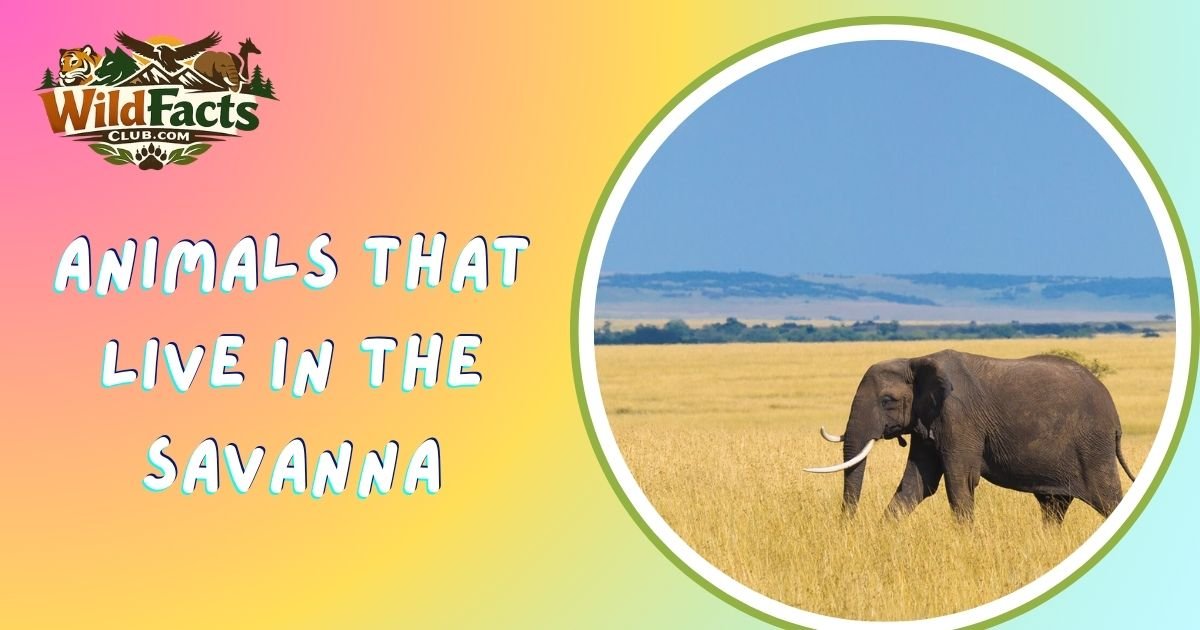
African elephants are the largest land animals on Earth and are an important part of the savanna ecosystem. They are highly intelligent social animals that usually live in family groups led by older females. Elephants eat grasses, leaves, bark, roots, fruits, and other plant material, requiring large amounts of food every day. Their feeding activities can change the landscape by knocking down trees, breaking branches, and creating open areas where grasses can grow. Elephants also use their trunks for drinking, feeding, communication, and manipulating objects.
During dry periods, they may travel considerable distances to find water and vegetation. Their strong memory and social relationships help them survive seasonal changes. Because they influence vegetation and water access, elephants are sometimes described as ecosystem engineers.
Giraffes
Giraffes are easily recognized by their extremely long necks and legs. They are perfectly adapted to feeding on vegetation that grows high above the ground, particularly leaves from trees and shrubs. Their height allows them to reach food that many other herbivores cannot access. Giraffes use their long tongues to pull leaves from branches and can spend many hours feeding throughout the day.
Their long legs also help them move across open grasslands. Although giraffes are large animals, they can run surprisingly fast when threatened by predators. Young giraffes are particularly vulnerable to lions and other predators, while adult giraffes can use their powerful legs to defend themselves. Their unique body structure makes them one of the most interesting animals found in savanna habitats.
Zebras
Zebras are another well-known group among the animals that live in the savanna. Their black-and-white striped coats make them instantly recognizable. Zebras are herbivores that primarily feed on grasses and spend much of their time grazing. They often live in groups, which can protect them against predators. When threatened, zebras can run quickly and use their strong legs to kick attackers.
Different zebra species occupy different habitats, but many are associated with African grasslands and savannas. Zebras may travel in large groups and sometimes move alongside wildebeests and other herbivores. Their movements are closely connected to seasonal rainfall because fresh grass and water are essential for their survival. Their grazing also contributes to the structure of the grassland ecosystem.
Cheetahs
Cheetahs are famous for their incredible speed and are specialized predators of open habitats. Their slender bodies, long legs, flexible spines, and large nasal passages help them accelerate rapidly while chasing prey. Cheetahs commonly hunt smaller and medium-sized animals such as gazelles and young antelopes. Unlike lions, which often rely on group hunting, cheetahs usually hunt alone or in small family groups.
They depend heavily on open areas where they can use their speed to catch prey. However, their lightweight bodies are less suited for fighting larger predators, so they may lose their kills to lions, hyenas, or other competitors. Cheetahs are therefore highly adapted to the savanna but face several challenges in areas where habitat and prey populations decline.
Wildebeests
Wildebeests are large herbivores that are strongly associated with African savannas and grasslands. They are known for their seasonal movements in search of fresh grass and water. Large groups of wildebeests can travel together, creating one of the most impressive wildlife spectacles in the natural world. They primarily eat grasses and can spend many hours grazing. Their large numbers make them an important food source for predators such as lions, hyenas, crocodiles, and cheetahs.
Wildebeests have strong bodies and can run quickly when threatened. Their seasonal movements are influenced by rainfall and vegetation availability. By consuming grasses and moving across large areas, wildebeests also play an important role in transferring nutrients throughout the savanna ecosystem.
African Buffalo
African buffalo are powerful herbivores that can be found in several African habitats, including savannas. They usually live in herds and are known for their strong social behavior. Buffalo primarily feed on grass and require regular access to water, especially during hot weather. Despite being herbivores, they can be dangerous when threatened because of their large size, powerful horns, and protective group behavior.
Lions sometimes hunt buffalo, but healthy adults can be difficult and risky prey. Herd members may defend one another against predators, particularly when calves are threatened. Buffalo contribute to the savanna ecosystem by grazing vegetation and providing food for large predators. Their ability to live in groups gives them additional protection in an environment filled with predators.
Rhinoceroses
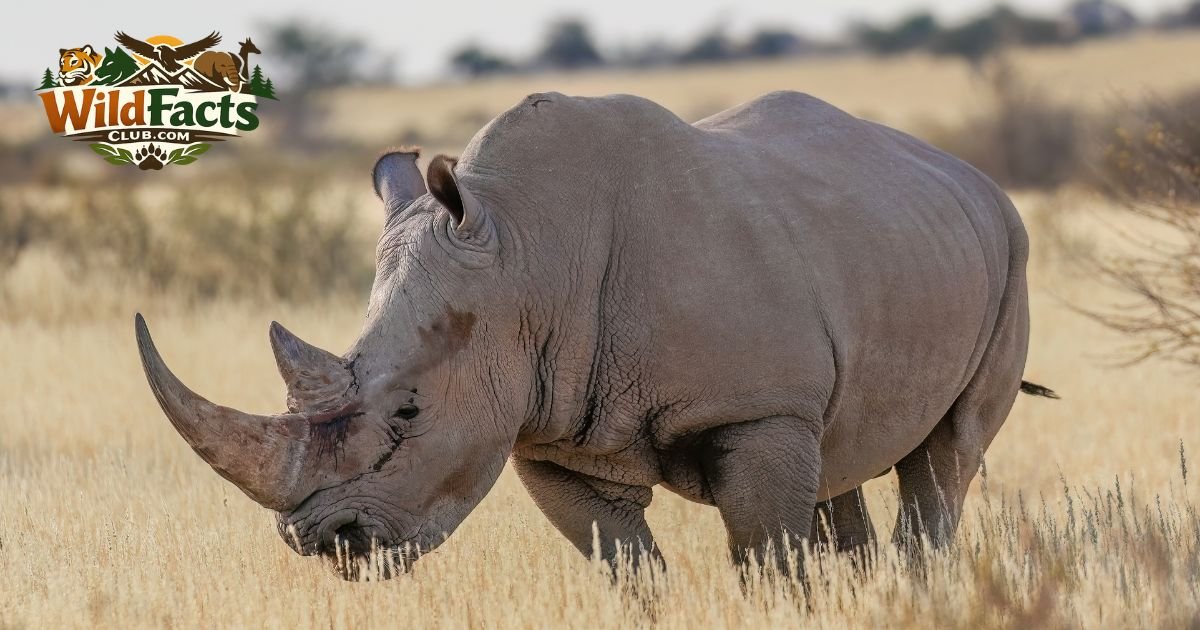
Rhinoceroses are large herbivores that can inhabit savanna environments, particularly areas with suitable vegetation and water. Different rhino species have different feeding habits. Some primarily graze on grasses, while others browse on leaves and shrubs. Their large bodies and thick skin provide protection, although they are still vulnerable to human-related threats.
Rhinoceroses play an important role in shaping vegetation because their feeding activities influence the plants around them. They may also create pathways through dense vegetation and interact with other animals around water sources. Young rhinos require protection from predators, while adults have few natural predators because of their size and strength. Their presence adds to the biological diversity of savanna ecosystems.
Hippopotamuses
Hippopotamuses are large semi-aquatic mammals that are commonly associated with rivers, lakes, and wetlands within savanna regions. They spend much of the day in or near water to keep their bodies cool and often leave the water at night to feed on grasses. Despite their massive size, hippos are primarily herbivores.
Their dependence on water makes rivers and wetlands particularly important to their survival. Hippopotamuses can move through water with surprising ease and have powerful jaws and large teeth. They can become highly aggressive when threatened, especially around water. Their grazing and movement between water and land contribute to nutrient cycling in the ecosystem. They are an important part of savanna areas containing permanent or seasonal water sources.
Leopards
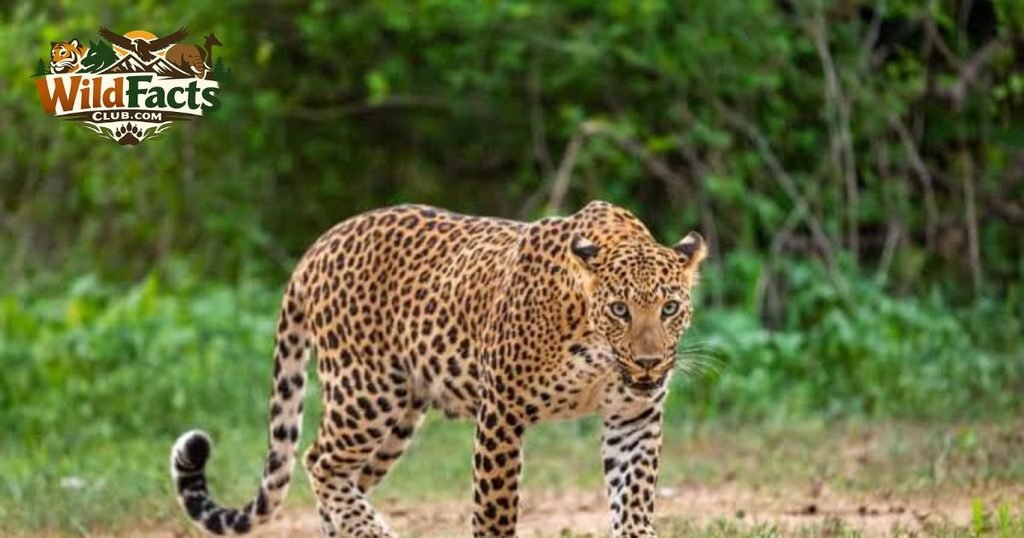
Leopards are highly adaptable predators that can live in savannas, forests, mountains, and other environments. Their spotted coats provide camouflage among grass, shrubs, and trees. Leopards are skilled hunters and may prey on antelopes, rodents, birds, monkeys, and other animals. They are particularly known for carrying their kills into trees, where they can protect their food from competitors such as hyenas and lions.
Leopards are generally solitary animals and are capable of surviving in areas where other large predators struggle. Their powerful bodies allow them to climb trees efficiently, while their excellent hearing and eyesight help them locate prey. Their adaptability makes them one of the most successful predators in many savanna landscapes.
Hyenas
Hyenas are important predators and scavengers in African savanna ecosystems. Although they are sometimes described only as scavengers, several hyena species are highly effective hunters. Spotted hyenas can work together in groups to pursue prey and have powerful jaws capable of crushing bones. They may hunt wildebeests, zebras, antelopes, and other animals.
Hyenas also consume remains left by other predators, helping remove organic material from the environment. Their digestive systems allow them to process parts of carcasses that many animals cannot use. This makes them important contributors to ecosystem cleanliness and nutrient cycling. Hyenas live in complex social groups and communicate using a variety of sounds and behaviors, making them fascinating members of the savanna food web.
Antelopes
Antelopes are among the most diverse animals that live in the savanna, with many species adapted to grasslands, woodland, and semi-arid environments. Examples include gazelles, impalas, kudus, elands, and many other species. Most antelopes are herbivores that feed on grasses, leaves, shoots, or other vegetation. Their speed and agility help them escape predators such as lions, cheetahs, leopards, and wild dogs.
Some species live in large herds, while others are more solitary. Antelopes occupy different ecological niches, meaning they may feed on different types of plants or prefer different areas of the habitat. This diversity allows numerous species to coexist within the same broad savanna ecosystem.
Warthogs
Warthogs are unusual-looking members of the African savanna wildlife community. They are related to pigs and have large heads, facial growths, tusks, and relatively thin bodies. Warthogs spend considerable time searching for grasses, roots, bulbs, and other plant foods. They often kneel while feeding, distinctively using their front legs.
When threatened, warthogs can run quickly and may retreat into underground burrows. Their tusks can also provide defense against predators. Warthogs may be hunted by lions, leopards, hyenas, and other predators. They are well adapted to open environments and can survive periods when food and water become less abundant.
African Wild Dogs
African wild dogs are social carnivores that live in groups called packs. They are highly cooperative animals and often work together when hunting. Their diet mainly consists of medium-sized prey such as antelopes, although their exact prey varies depending on location and availability.
African wild dogs are built for endurance and can travel long distances while searching for food. Their large ears help them detect sounds, and their distinctive coats make each individual recognizable. They play an important role as predators in savanna ecosystems. Their social structure is particularly interesting because pack members cooperate in hunting, raising young, and caring for injured individuals.
Ostriches
The ostrich is the largest living bird and is well adapted to open African landscapes. Its long legs allow it to run at high speeds, helping it escape predators. Ostriches eat a mixture of plant material, seeds, fruits, and small animals. Their excellent eyesight helps them detect potential threats across open terrain.
Male and female ostriches have different feather coloration, and they participate in breeding and nest-related behaviors. Their long necks allow them to observe their surroundings while feeding. Ostriches cannot fly because of their large size and body structure, but their running ability makes them highly successful in open habitats. They are a distinctive part of the savanna’s bird community.
Meerkats
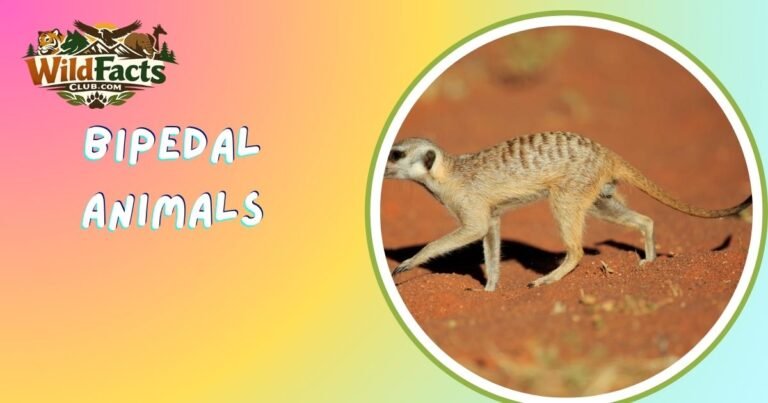
Meerkats are small mammals that live in parts of southern Africa, including dry savanna and desert-edge habitats. They live in social groups and spend much of their time searching for insects and other small prey. One member of the group may stand upright as a lookout while others forage.
This cooperative behavior helps protect the group from predators such as birds of prey, snakes, and jackals. Meerkats dig extensive burrow systems where they can shelter from extreme temperatures and predators. Their social behavior is one of their most fascinating characteristics. Although they are much smaller than lions or elephants, they play an important role as small predators and insect-eaters in their environment.
Baboons
Baboons are intelligent and adaptable primates that can live in savannas, woodlands, and other habitats. They are omnivores, meaning they consume a wide variety of foods including fruits, seeds, grasses, roots, insects, and occasionally small animals. Baboons live in social groups that can contain many individuals.
Their strong social relationships help them protect one another from predators. They are capable climbers and can also travel efficiently across open ground. Baboons use different vocalizations and body movements to communicate with group members. Their ability to eat many types of food allows them to survive seasonal changes in the savanna, where food availability can vary throughout the year.
Crocodiles
Crocodiles are important predators in savanna ecosystems that contain rivers, lakes, and wetlands. They spend much of their time in water and use their powerful jaws to capture fish, birds, reptiles, and mammals. During seasonal migrations, animals may cross rivers where crocodiles wait for opportunities to hunt.
Their eyes and nostrils are positioned in a way that allows them to remain mostly submerged while watching their surroundings. Crocodiles can survive long periods with limited food because their metabolism is relatively slow. Their presence in waterways creates an additional challenge for herbivores searching for water. They are an important part of the food chain in savanna regions with permanent water sources.
Birds That Live In The Savanna
The savanna is home to many bird species, including ostriches, secretary birds, vultures, eagles, hawks, hornbills, starlings, and various smaller birds. Birds occupy many different roles in the ecosystem. Birds of prey hunt rodents, reptiles, insects, and small mammals, while vultures feed on carrion and help clean up animal remains.
Seed-eating birds contribute to the movement and dispersal of plants, while insect-eating birds help control insect populations. Some birds spend their lives in the savanna, while others migrate between habitats depending on seasonal conditions. The variety of birds demonstrates that savanna ecosystems support much more than large mammals.
Reptiles That Live In The Savanna
Reptiles are also important members of savanna ecosystems. Snakes, lizards, tortoises, crocodiles, and other reptiles can be found in different savanna environments. Some reptiles are predators that feed on insects, rodents, birds, eggs, or other animals, while others primarily eat plants.
Reptiles are generally ectothermic, meaning they depend on external sources of heat to regulate their body temperature. They may bask in sunlight during cooler periods and seek shade during the hottest part of the day. Their ability to survive with relatively low energy requirements allows many reptile species to cope with seasonal changes and periods of limited food.
Read More: Animals That Eat Mice: A Complete Guide To Mouse-Eating Animals
How Animals Survive In The Savanna
Survival in the savanna requires animals to deal with heat, seasonal rainfall, predators, and changing food supplies. Different species have developed different adaptations to meet these challenges. Some animals travel long distances to find water and fresh vegetation, while others can survive with very little water.
Many animals live in herds or groups because numbers can protect them from predators. Some species are most active during cooler morning and evening hours, while others are adapted to nighttime activity. Camouflage, speed, sharp senses, powerful bodies, burrowing behavior, and social cooperation are all important survival strategies. These adaptations allow a remarkable variety of animals to share the same ecosystem.
Herbivores In The Savanna
Herbivores are extremely important to savanna ecosystems because they consume grasses, leaves, fruits, roots, and other vegetation. Common herbivores include elephants, zebras, giraffes, wildebeests, buffalo, rhinoceroses, hippos, warthogs, and antelopes. Different herbivores often feed on different types of vegetation, reducing direct competition for food.
Grazers such as zebras and wildebeests mainly consume grasses, while browsers such as giraffes focus on leaves and shrubs. Elephants can consume a wide variety of plant material. Their feeding activities influence vegetation and create opportunities for other species. Herbivores also provide an essential food source for predators, making them a central part of the savanna food web.
Carnivores In The Savanna
Carnivores are another major group among the animals that live in the savanna. Lions, cheetahs, leopards, hyenas, African wild dogs, and various smaller predators hunt other animals for food. Each predator has its own hunting strategy. Cheetahs rely on speed, lions may cooperate in groups, leopards often use stealth, and African wild dogs rely heavily on teamwork and endurance.
Predators help regulate herbivore populations and remove weaker or vulnerable individuals. Scavengers also play an important role by consuming remains that might otherwise stay in the environment. The interaction between predators and prey creates a dynamic balance that helps keep the ecosystem functioning.
Final Thoughts
The savanna is a remarkable ecosystem filled with diverse wildlife, from enormous African elephants and powerful lions to fast cheetahs, striped zebras, graceful giraffes, social wild dogs, and countless birds and reptiles. The animals that live in the savanna have developed special adaptations that help them survive heat, drought, seasonal rainfall, predators, and changing food supplies.
Herbivores provide food for predators, predators help regulate animal populations, and scavengers contribute to nutrient recycling. Every species has a role in maintaining the balance of the ecosystem. Protecting savanna habitats is therefore essential for preserving these animals and the natural relationships that make the savanna one of the world’s most fascinating ecosystems.
FAQs
What Animals Live In The Savanna?
Lions, elephants, giraffes, zebras, cheetahs, wildebeests, buffalo, rhinos, leopards, hyenas, and many other animals live in the savanna.
What Is The Most Common Animal In The Savanna?
Zebras, wildebeest, antelopes, and other grazing animals are among the most commonly seen animals in many savanna ecosystems.
Do Lions Live In The Savanna?
Yes, lions are one of the best-known predators of the African savanna. They live in groups called prides and hunt animals such as zebras, wildebeests, and antelopes.