Weird Animals: Fascinating Creatures That Look Unreal
Nature is full of animals that look, behave, or survive in ways that seem almost impossible. From animals with unusual body shapes to creatures with strange abilities, weird animals show just how creative evolution can be. Some have transparent bodies, unusual faces, extra-long noses, or remarkable survival skills.
In this article, we will explore some of the strangest animals found around the world. You will learn what makes each animal unusual, where it lives, and some fascinating facts about its appearance and behavior.
What Are Weird Animals?
Weird animals are creatures that have unusual physical features, behaviors, or survival adaptations compared with animals people commonly see. The word “weird” does not mean that these animals are bad or abnormal. Their unique characteristics have usually developed because they help them survive in specific environments.
Some weird animals live in deep oceans, where darkness and extreme pressure have shaped their bodies. Others live in deserts, forests, rivers, or underground environments. Their strange appearances can help them find food, avoid predators, attract mates, or survive difficult conditions.
List Of Weird Animals
- Axolotl
- Aye-Aye
- Blobfish
- Star-Nosed Mole
- Proboscis Monkey
- Shoebill
- Dumbo Octopus
- Naked Mole-Rat
- Saiga Antelope
- Leafy Seadragon
- Japanese Spider Crab
- Pink Fairy Armadillo
- Goblin Shark
- Mantis Shrimp
- Patagonian Mara
Axolotl
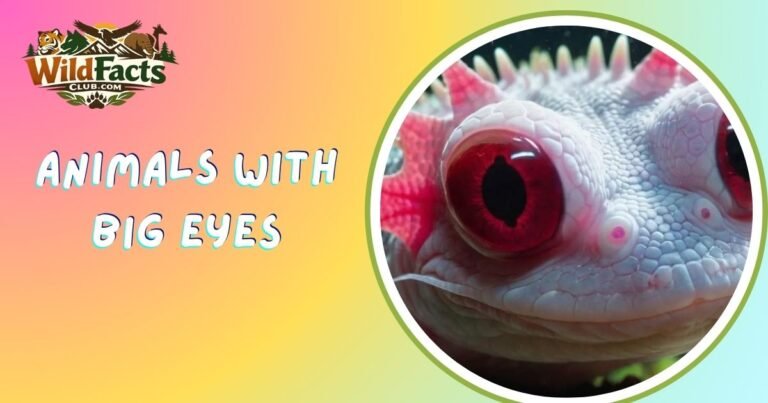
The axolotl is one of the most recognizable weird animals in the world. This unusual amphibian has a permanently youthful appearance and external feathery gills that extend from both sides of its head. Unlike many amphibians, axolotls can retain their larval characteristics throughout adulthood.
Axolotls are native to freshwater habitats around Mexico City. Their ability to regenerate certain body parts makes them especially interesting to scientists. They can regenerate limbs and repair various tissues, making them important subjects in biological research.
Their unusual appearance, regeneration ability, and aquatic lifestyle make the axolotl one of the strangest-looking amphibians. Although they may look like fantasy creatures, they are real animals with fascinating biology.
Aye-Aye
The aye-aye is a highly unusual lemur found in Madagascar. It has large eyes, prominent ears, dark fur, and extremely long fingers. Its middle finger is particularly thin and elongated, giving the animal a strange appearance.
The aye-aye uses its unusual finger to locate and extract food from trees. It taps on wood to help detect hollow areas where insects may be hiding. Once it finds suitable prey, it uses its specialized finger to pull food out. Its teeth also continue growing throughout its life, similar to those of some rodents.
Blobfish
The blobfish is often described as one of the world’s ugliest animals, but its famous appearance can be misleading. It normally lives at great depths in the ocean, where pressure is extremely high.
At its natural depth, the blobfish has a body adapted to its environment. When brought rapidly to the surface, the pressure change can cause its body to lose its normal shape, creating the droopy appearance commonly seen in photographs.
Blobfish have relatively little muscle and tend to conserve energy rather than actively chase prey. They feed on available organic material and small organisms. Their unusual appearance and deep-sea lifestyle have made them famous among strange animals.
Star-Nosed Mole
The star-nosed mole looks like something from science fiction. It has a small body covered in dark fur and a distinctive star-shaped structure around its nose. The star-shaped nose contains numerous highly sensitive touch receptors. These help the mole explore its surroundings and locate food, particularly in dark underground environments.
Star-nosed moles are excellent swimmers and spend time in wet habitats such as marshes and streams. Their strange nose is actually a highly specialized sensory organ that helps them survive.
Proboscis Monkey
The proboscis monkey is famous for its enormous nose. Adult males generally have much larger noses than females, and the nose is one of their most noticeable physical characteristics. These monkeys are native to the island of Borneo and are strongly associated with mangrove forests, wetlands, and river areas. They are also excellent swimmers compared with many other primates.
Their large noses are believed to play a role in communication and attracting mates. Their diet consists largely of leaves, seeds, fruits, and other plant material. The combination of their unusual nose, reddish-brown coat, and potbellied appearance makes the proboscis monkey one of the world’s most unusual primates.
Shoebill
The shoebill is a large African bird known for its enormous shoe-shaped bill. Its bill is one of the largest and most distinctive among living birds. Shoebills live mainly in wetlands and marshes across parts of tropical Africa. They can remain remarkably still while waiting for prey. Their large bills are useful for catching fish and other aquatic animals.
Their intense facial expression and huge bill often make them look prehistoric. Despite their unusual appearance, shoebills are highly adapted wetland predators. They are especially fascinating because their appearance seems to combine features that people might associate with different types of birds.
Dumbo Octopus
The dumbo octopus is a deep-sea animal named after the famous Disney elephant character because of its large ear-like fins. These fins are located on the sides of its head and help it move through the water.
Dumbo octopuses live at considerable depths in the ocean. Unlike some shallow-water octopuses, they are adapted to cold, high-pressure environments. They use their fins and arms to move around while searching for small prey on or near the ocean floor. Their rounded bodies and ear-like fins make them both cute and strange. The dumbo octopus is a great example of how deep-sea life can produce animals with forms rarely seen on land.
Naked Mole-Rat
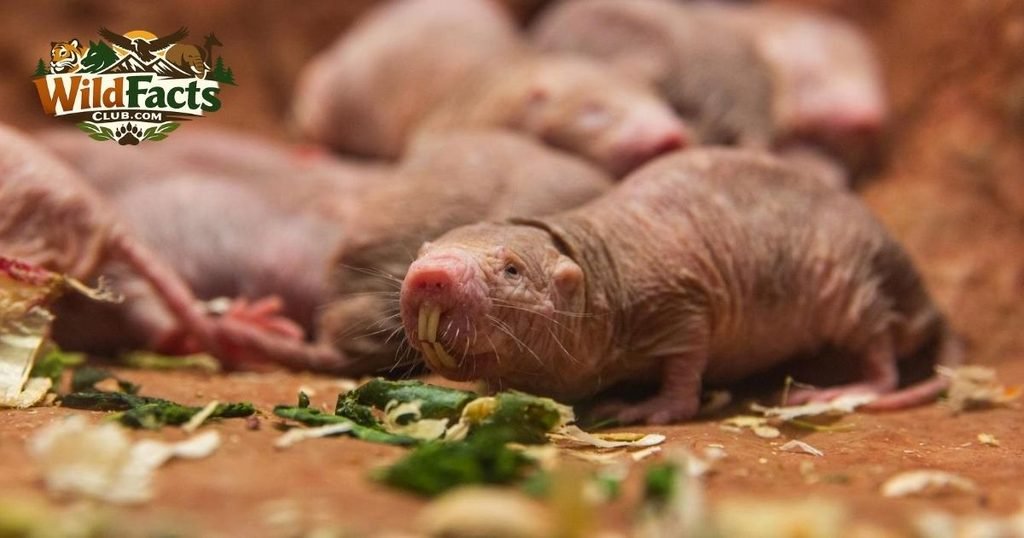
The naked mole-rat has an appearance that surprises many people. It has almost no visible hair, wrinkled skin, large front teeth, and small eyes. These rodents live underground in parts of East Africa. They spend most of their lives in complex tunnel systems and live in social colonies.
Their teeth are particularly important because they use them to dig tunnels. Naked mole-rats can close their lips behind their front teeth while digging, helping prevent soil from entering their mouths.
Their unusual social system also makes them interesting. Their colonies have specialized individuals performing different roles, somewhat resembling the organization seen in social insects.
Saiga Antelope
The saiga antelope has one of the strangest noses among mammals. Its large, flexible nose hangs downward over its mouth, giving it a distinctive appearance. Saigas live in the grasslands and semi-deserts of Central Asia. Their unusual noses are not simply decorative. The nasal structure helps regulate the air they breathe and may help filter dust.
These antelopes are well adapted to harsh environments with extreme seasonal temperatures. Their unusual appearance is a good example of how environmental pressures can influence animal anatomy.
Read More: Most Venomous Snake: A Complete Guide
Leafy Seadragon
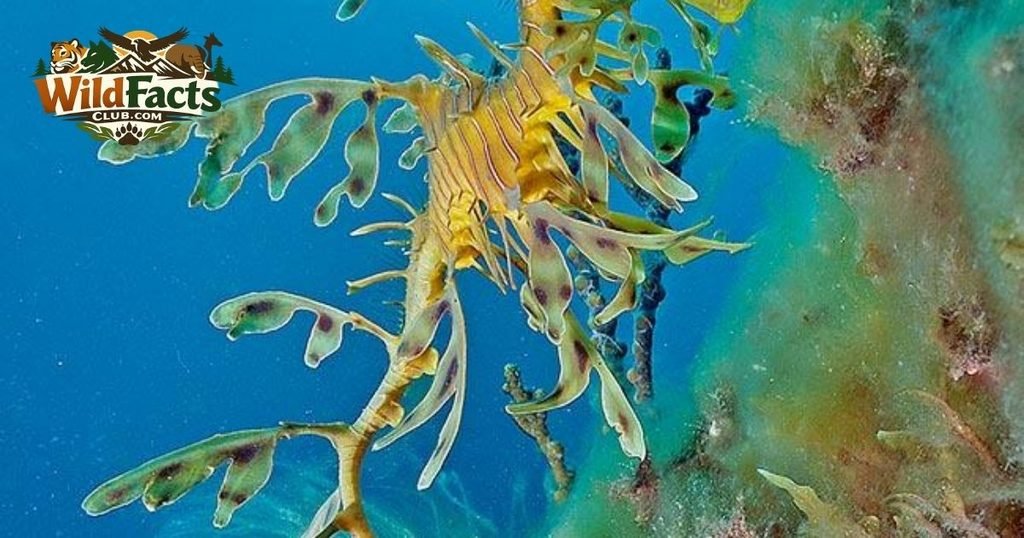
The leafy seadragon looks remarkably similar to floating seaweed. Its body has numerous leaf-like appendages that help it blend into underwater vegetation. This marine animal is related to seahorses and pipefish and is found in coastal waters around southern Australia.
Its leaf-like structures are primarily used for camouflage rather than propulsion. The leafy seadragon moves slowly and relies heavily on its ability to blend into its surroundings. Predators may have difficulty recognizing it among seaweed and vegetation.
Japanese Spider Crab
The Japanese spider crab is famous for its enormous legs. It can have an extremely wide leg span, making it one of the largest arthropods known. These crabs live in marine waters around Japan, particularly on the seafloor. Their long legs help them move across rocky and uneven underwater habitats. Despite their intimidating appearance, their lifestyle largely centers on scavenging and feeding on various marine organisms and organic matter. Their combination of a relatively small body and extraordinarily long legs makes them look almost alien.
Pink Fairy Armadillo
The pink fairy armadillo is one of the smallest and strangest armadillos. It has a pinkish shell, tiny eyes, and a body adapted for digging. It is found mainly in parts of Argentina and spends much of its life underground. Its powerful front claws allow it to dig through loose soil.
Its pale pink coloration and tiny body give it a particularly unusual appearance. Because it is difficult to observe in the wild, relatively little is known about some aspects of its natural behavior.
Goblin Shark
The goblin shark is one of the most bizarre-looking sharks. It has a long, flattened snout and jaws that can extend forward when capturing prey. This deep-sea shark lives in oceans around the world and is rarely seen because it inhabits deep waters.
Its long snout contains sensory organs that help detect prey in dark environments. When prey comes close, the jaws can rapidly extend outward. This unusual feeding mechanism allows the shark to capture animals despite the limited visibility of its deep-sea habitat.
Mantis Shrimp
The mantis shrimp is a small marine crustacean with extraordinary visual abilities and a highly specialized hunting system. Some mantis shrimp have extremely complex eyes capable of detecting types of light that humans cannot see. Their specialized appendages can also strike prey with remarkable speed.
Depending on the species, they may use club-like structures to smash hard shells or spear-like structures to capture prey. Their vivid colors, unusual eyes, and powerful hunting appendages make mantis shrimp some of the most fascinating weird animals found in the ocean.
Weirdest Animals In The Ocean
The ocean is home to some of the strangest creatures on Earth. Deep-sea environments are especially unusual because they have darkness, high pressure, low temperatures, and limited food.
Animals such as the goblin shark and dumbo octopus have developed specialized characteristics that allow them to survive in these conditions. Some deep-sea animals have unusual body shapes, enormous mouths, glowing organs, or highly sensitive sensory systems. Because much of the deep ocean remains difficult to explore, scientists continue to discover new species and learn more about unusual marine life.
Weird Animals With Amazing Adaptations
Many weird animals are not simply strange-looking; their unusual characteristics serve important purposes. The aye-aye’s long finger helps it obtain food from trees. The saiga’s nose helps it deal with dusty and extreme environments. The leafy seadragon’s appearance provides camouflage.
These adaptations demonstrate the incredible diversity of life. A feature that appears strange from a human perspective may be perfectly suited to an animal’s habitat. In nature, unusual does not mean useless. In many cases, the strangest features are the result of millions of years of adaptation.
Are Weird Animals Rare?
Not every weird-looking animal is rare. Some unusual species have healthy populations in suitable habitats, while others face serious conservation challenges. Habitat destruction, climate change, pollution, hunting, fishing pressure, and other human activities can threaten wildlife.
Animals with specialized habitats may be particularly vulnerable when their environments change. Protecting ecosystems is therefore important for preserving unusual species. Forests, wetlands, grasslands, deserts, rivers, and oceans all support unique forms of life.
Why Should We Protect Weird Animals?
Every animal has a role within its ecosystem. Even creatures that appear strange or unattractive to people can contribute to food webs, nutrient cycling, seed dispersal, or population control. Protecting unusual species also helps maintain biodiversity. Biodiversity makes ecosystems more resilient and provides scientists with opportunities to study unique biological adaptations.
Final Thoughts On Weird Animals
The natural world is filled with creatures that challenge our expectations about what an animal should look like. From the strange nose of the saiga antelope to the star-shaped nose of the star-nosed mole, these species demonstrate the incredible creativity of evolution.
The most fascinating weird animals often have unusual features because those features help them survive. Their strange appearances remind us that nature does not follow human ideas of beauty or normality. Every species has its own story, habitat, and adaptations that make it special.
FAQs
What Is The Weirdest Animal In The World?
There is no single scientifically recognized weirdest animal. Animals such as the aye-aye, goblin shark, star-nosed mole, blobfish, and axolotl are often considered unusual because of their distinctive appearances and adaptations.
What Are Some Weird Animals?
Some well-known weird animals include the axolotl, aye-aye, blobfish, shoebill, proboscis monkey, goblin shark, naked mole-rat, leafy seadragon, and pink fairy armadillo.
Why Do Some Animals Look Weird?
Animals can look unusual because their bodies have evolved specialized adaptations for survival. These adaptations may help them find food, avoid predators, communicate, reproduce, or survive extreme environments.