Animals With Long Legs: 20 Fascinating Long-Legged Animals
Animals with long legs are among the most fascinating creatures in the natural world. Their unusual body structure helps them move quickly, reach food, cross difficult terrain, and escape predators.
From towering giraffes and graceful cranes to speedy ostriches and elegant gazelles, long legs serve many important purposes. These animals live in different habitats around the world, but they all demonstrate how evolution can shape bodies for survival and movement.
Why Do Animals Have Long Legs?
Long legs provide animals with several advantages depending on their habitat and lifestyle. Some species use their height to see predators from a distance, while others rely on long limbs for running at high speeds.
Long legs can also help animals walk through tall grass, shallow water, mud, or snow. In many species, their body structure is closely connected to feeding, hunting, escaping danger, and traveling long distances efficiently.
Giraffes
Giraffes are perhaps the most famous examples of animals with long legs. Their long front and back legs support their enormous bodies and help them reach leaves high in trees.
Although their necks attract the most attention, their legs are also remarkably powerful. Giraffes can run surprisingly fast when threatened, using their long strides to cover considerable ground while avoiding predators such as lions in open habitats.
Ostriches
The ostrich is the largest living bird and one of the fastest animals with long legs. Its powerful legs allow it to reach impressive speeds across open landscapes. Each foot has two toes, an unusual feature among birds, and helps provide stability while running. Ostriches use their strong legs not only for speed but also for defense. A powerful kick can be dangerous to predators that come too close.
Zebras
Zebras have long, slender legs that are perfectly suited to life on African grasslands. Their legs allow them to travel quickly when searching for food or escaping predators. Zebras often live in groups, which provides additional protection from threats such as lions.
Their strong limbs also help them cover large distances during seasonal movements. Their distinctive striped coats combined with long legs make them some of Africa’s most recognizable animals.
Antelopes
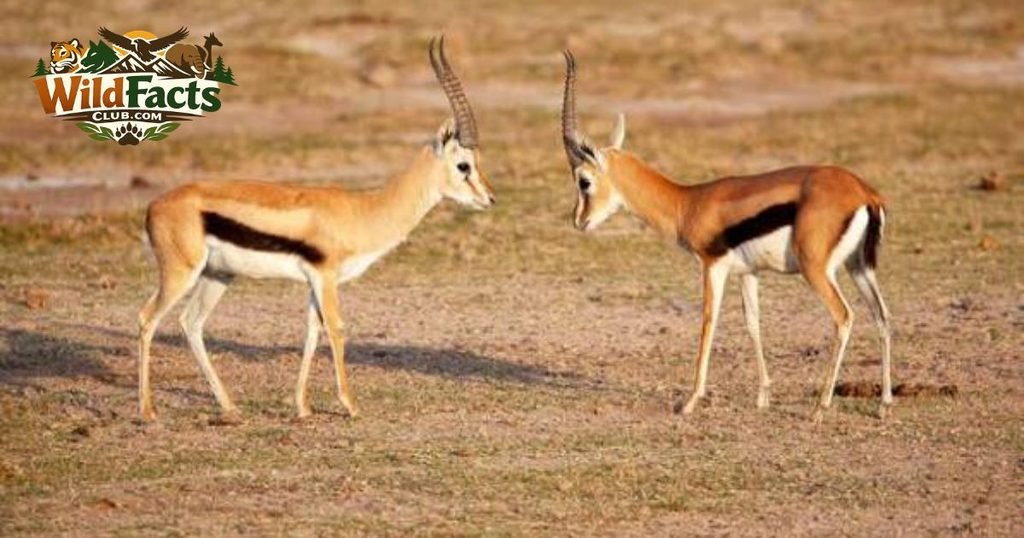
Many species of antelope have long, lightweight legs designed for speed and endurance. Their slender limbs allow them to move rapidly across grasslands and open plains.
When threatened, antelopes can run, leap, and change direction quickly to avoid predators. Species such as the springbok are especially famous for their jumping ability. Their long legs are therefore essential for both everyday movement and survival in environments where speed can mean the difference between life and death.
Flamingos
Flamingos are easily recognized by their exceptionally long legs and curved bills. Their legs help them wade through shallow lakes, wetlands, and muddy waters while searching for food.
Instead of swimming everywhere, flamingos often walk through water that would be too deep for shorter-legged birds. Their long legs also contribute to their elegant appearance. Different flamingo species use wetlands and shallow aquatic environments where their unusual body shape provides a clear advantage.
Cranes
Cranes are tall, long-legged birds commonly found in wetlands, grasslands, and open areas. Their long legs allow them to walk through shallow water while searching for insects, small animals, seeds, and plants.
Cranes also use their impressive wings and long bodies during migration, traveling great distances between seasonal habitats. Their legs are an important part of their ability to forage efficiently in places where shorter-legged animals would struggle to move.
Herons
Herons are another excellent example of animals with long legs. These tall wading birds spend much of their time around rivers, lakes, marshes, and coastal wetlands. Their long legs allow them to stand in water while hunting fish and other aquatic prey. By keeping much of their bodies above the surface, herons can move slowly and carefully through shallow water. Their long necks and sharp bills complete an effective hunting design.
Storks
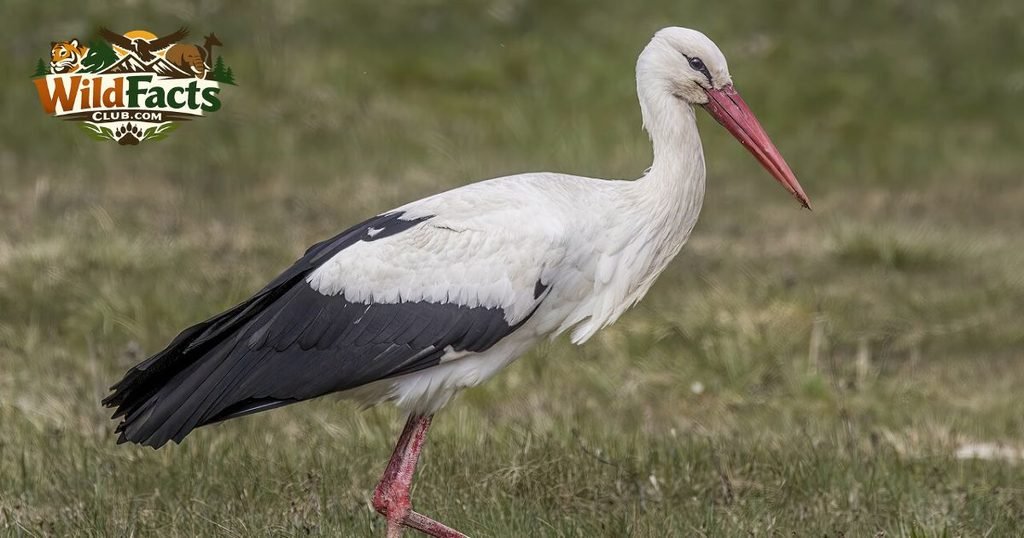
Storks are large birds with long legs and long, pointed bills. They are commonly associated with wetlands, grasslands, and areas near rivers or lakes. Their long legs allow them to walk through shallow water and muddy ground while searching for fish, insects, frogs, and other food. Some storks also travel great distances during migration. Their tall bodies and extended legs make them especially well adapted to open habitats where visibility is important.
Emus
Emus are large, flightless birds native to Australia. Their long, strong legs allow them to travel across a variety of landscapes, including grasslands, woodlands, and semi-arid regions.
Although they cannot fly, emus compensate with excellent running ability. Their flexible legs help them move efficiently over long distances while searching for plants, seeds, insects, and other foods. Their long legs are therefore central to their survival in Australia’s diverse and sometimes challenging environments.
Secretary Birds
The secretary bird is a remarkable African bird known for its unusually long legs and distinctive appearance. Unlike many long-legged birds, it spends much of its time walking on land rather than wading through water.
It uses its powerful legs to travel across savannas and hunt prey such as insects, reptiles, and small mammals. Its legs can also deliver strong kicks, making them useful tools for capturing prey and defending itself.
Greyhounds
Greyhounds are among the fastest dog breeds and have long, slender legs that contribute greatly to their speed. Their body shape is designed for sprinting, with flexible backs, powerful muscles, and lightweight limbs.
Historically, greyhounds were bred for chasing fast-moving prey. Today, they are known both as racing dogs and affectionate companions. Their long legs demonstrate how selective breeding can produce physical features specifically suited to rapid movement.
Horses
Horses have long, powerful legs that allow them to walk, trot, canter, and gallop across many types of terrain. Their limb structure supports their large bodies while giving them impressive speed and endurance.
Wild and domestic horses rely on their legs for traveling between feeding areas and escaping danger. Different horse breeds have developed variations in leg length and body structure, reflecting their different environments and traditional human uses.
Camels
Camels have relatively long legs that lift their bodies well above the hot desert ground. This elevated body position can help reduce the effects of intense surface heat. Their long limbs also enable them to walk efficiently across sandy terrain.
Camels are famous for surviving in harsh environments, where food and water may be scarce. Their entire body is adapted to desert life, and their long legs are an important part of that remarkable adaptation.
Kangaroos
Kangaroos have large, powerful hind legs that allow them to travel by hopping rather than walking normally. Their long legs and strong feet act like springs, helping them cover significant distances efficiently.
Kangaroos can move rapidly when necessary and use their tails for balance. Their unusual leg structure is particularly useful in Australia’s open landscapes. Instead of wasting energy on many small steps, hopping allows them to travel efficiently across large areas.
Read More: Stubborn Animals: A Complete Guide to Animals Known for Strong-Willed Behavior
Deer
Many deer species have long, slender legs that help them move through forests, grasslands, mountains, and other habitats. Their limbs allow them to run quickly and jump over obstacles when escaping predators.
Deer also use their legs to travel long distances while searching for food and water. Species living in rugged environments may have particularly strong legs and hooves that provide stability on rocky, uneven, or steep terrain.
Gazelles
Gazelles are elegant animals with slender bodies and long legs designed for speed. They can run rapidly across open grasslands while making sudden turns and impressive leaps.
Their speed helps them escape predators such as cheetahs, lions, and wild dogs. Gazelles also use their agility to navigate challenging terrain. Their lightweight bodies and long limbs work together as an efficient running system, making them some of the most graceful runners in the animal kingdom.
Impalas
Impalas are medium-sized African antelopes recognized for their long legs and remarkable jumping abilities. When threatened, they can leap over obstacles and cover considerable distances in a single bound. Their powerful hind legs are especially important for escaping predators and navigating grassland environments. Impalas usually live in herds, giving them additional protection. Their combination of speed, agility, and long limbs makes them highly adapted to life on the African savanna.
Long-Legged Spiders
Some spiders have extremely long legs compared with their body size. Cellar spiders, often called daddy longlegs in some regions, are familiar examples. Their thin, extended legs allow them to move around webs and narrow spaces. Although they are very different from large mammals and birds, they demonstrate that long legs can evolve in small animals too. Their unusual proportions help create a distinctive appearance and support movement within their environments.
Benefits of Long Legs
Long legs can provide several important survival benefits. They may increase running speed, improve visibility, allow animals to cross water, or help them reach food that is otherwise difficult to access. However, long legs are not automatically better in every environment. Animals evolve body structures that match their specific needs. For a gazelle, long legs support rapid escape, while for a flamingo, they allow efficient movement through shallow water and muddy wetlands.
Animals With Long Legs and Their Habitats
Animals with long legs live in many different habitats around the world. Giraffes and gazelles thrive in African grasslands, flamingos and herons depend on wetlands, and ostriches inhabit open areas of Africa. Emus are adapted to Australia, while camels are suited to deserts. This diversity shows that long legs are not connected to one particular environment. Instead, similar physical features can evolve independently when they provide useful advantages.
How Long Legs Help Animals Escape Predators
For many prey animals, long legs are an important defense mechanism. Gazelles, zebras, antelopes, and deer can use their limbs to accelerate quickly and escape predators. Some species also combine speed with jumping or sudden changes in direction. Long legs can increase stride length, allowing an animal to cover more ground with each movement. In open habitats, this advantage can provide valuable extra time to avoid a pursuing predator.
How Long Legs Help Animals Find Food
Long legs can also make feeding easier. Giraffes use their height to reach vegetation high above the ground, while flamingos and herons use their legs to walk through shallow water while feeding. Tall wading birds can search for prey without placing their entire bodies in water. These examples demonstrate that long legs are not simply useful for running. They can also provide access to food sources unavailable to shorter animals.
Are Long Legs Always an Advantage?
Although long legs provide many benefits, they can also have disadvantages. Very long limbs may require more energy to control and can be vulnerable to injuries. An animal must balance strength, flexibility, weight, and speed when evolving its body shape. That is why long-legged animals often have specialized bones, muscles, joints, and feet. Their limbs are carefully adapted to their lifestyle rather than simply being long for appearance.
Final Words
Animals with long legs demonstrate the incredible variety of adaptations found in nature. From fast-running ostriches and gazelles to tall giraffes and graceful flamingos, long limbs serve different purposes in different species. They can improve speed, provide access to food, support movement through water, and help animals survive challenging environments. Studying these creatures shows how closely an animal’s body is connected to its habitat, behavior, diet, and survival strategy.
FAQs
What Are The Most Common Animals With Long Legs?
Some of the most well-known Animals With Long Legs include giraffes, ostriches, zebras, gazelles, flamingos, cranes, herons, horses, deer, and camels.
Why Do Animals Have Long Legs?
Animals have long legs because they provide important survival advantages. Long legs can help animals run faster, reach food, cross shallow water, and escape predators.
Which Animal Has The Longest Legs?
The giraffe is one of the most famous Animals With Long Legs. Its long legs and neck help it reach vegetation high in trees and provide an excellent view of its surroundings.