Animals That Gallop: Examples, Facts, and How They Move
Galloping is one of the fastest and most recognizable ways that certain four-legged animals move. When an animal gallops, it uses a special running pattern in which all four feet leave the ground at some point during each stride. This movement helps animals travel quickly, escape predators, chase prey, or move across open land efficiently.
Horses are the best-known animals that gallop, but they are not the only ones. Several other mammals can use a galloping gait, especially members of the horse family and some fast-running animals. In this article, we will explore different animals that gallop, how galloping works, and why animals use this impressive movement.
What Is Galloping?
Galloping is a fast gait used by many four-legged animals. It involves a sequence of foot movements that allows the animal to move quickly while maintaining balance and coordination. During a true gallop, there is a moment when all four feet are off the ground. This brief period is sometimes called a suspension phase. Galloping is different from walking, trotting, or pacing because it is generally associated with high-speed movement.
Animals use galloping when they need to cover ground quickly. The movement requires strong muscles, flexible joints, good balance, and coordinated body motion. It is especially useful for animals living in open environments where speed can be important for survival.
List of 5 Animals That Gallop
The following animals are among the best-known animals capable of galloping or using closely related fast gaits:
- Horses
- Zebras
- Donkeys
- Mules
- Wild asses
- Onagers
- Kiangs
- Przewalski’s horses
Horses
Horses are the most famous animals that gallop. They have strong legs, powerful muscles, flexible joints, and body structures that allow them to reach impressive speeds. A horse can use different gaits, including walking, trotting, cantering, and galloping. Galloping is usually the fastest natural gait of a horse.
During a gallop, the horse stretches and gathers its body while moving its legs in a coordinated sequence. This movement allows the horse to cover a large distance with every stride. Wild horses can use their speed to escape predators, while domesticated horses may gallop during racing, riding, training, or recreation.
Zebras
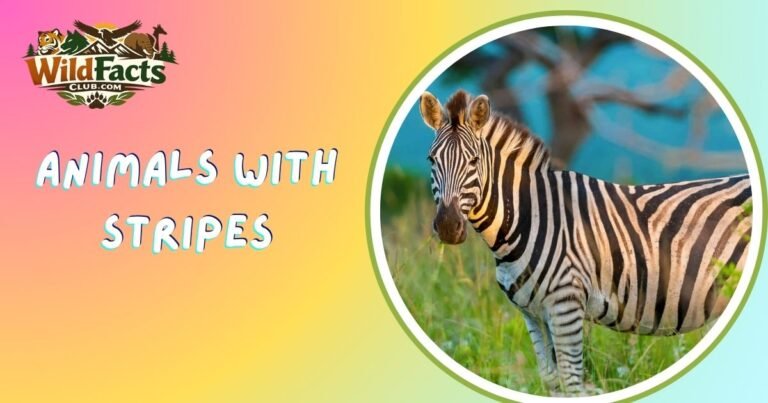
Zebras are another well-known example of animals that gallop. They belong to the horse family, Equidae, and their body structure is closely related to that of horses and donkeys. Zebras live mainly in grasslands, savannas, and other open environments where fast movement can be extremely important.
When threatened by predators such as lions or hyenas, zebras can run rapidly and use their agility to escape. Their galloping movement allows them to cover ground quickly while their ability to change direction can make them difficult to catch. Young zebras also learn movement patterns by following adults within their groups.
Donkeys
Donkeys are members of the horse family and can gallop, although they are generally associated with walking or trotting rather than high-speed running. Donkeys have strong legs and excellent endurance, which helps them travel over difficult terrain. When frightened or motivated, a donkey can accelerate and gallop for short distances.
Their bodies are adapted for carrying loads and surviving in dry environments. Wild and domesticated donkeys can use fast movement to avoid danger. However, individual donkeys differ in their willingness and ability to gallop. Their natural movement often depends on the terrain, physical condition, age, and situation.
Mules
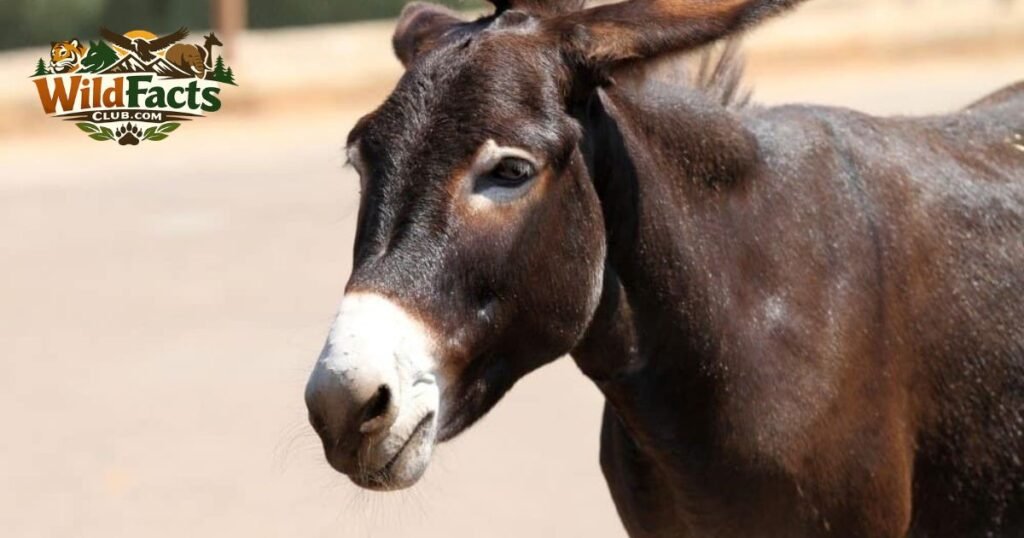
Mules are hybrids produced by crossing a male donkey with a female horse. Because they inherit characteristics from both parents, mules can display a mixture of horse-like and donkey-like traits. Mules can move quickly and may gallop under suitable conditions, although their movement is not always identical to that of a horse.
They are known for strength, endurance, and sure-footedness. Mules have historically been used for transportation, agriculture, and carrying supplies. Their ability to move across challenging terrain makes them useful working animals. When a mule needs to move quickly, it can use faster gaits, including a form of galloping.
Wild Asses
Wild asses are closely related to domestic donkeys and belong to the horse family. Species such as the Asiatic wild ass are adapted to open landscapes, deserts, and semi-desert environments. These animals can move rapidly when escaping danger or traveling across large territories.
Their long legs and strong bodies help them cover considerable distances. Wild asses generally rely on speed, endurance, and awareness to survive in harsh environments. While they are often known for sustained running rather than dramatic sprinting, they can use fast running gaits that resemble or include galloping patterns. Their movement is an important part of their ability to survive in challenging habitats.
Read More: Energetic Animals: The Fascinating World of Nature’s Most Active Creatures
Onagers
Onagers are a type of wild ass found mainly in parts of Asia and are known for their speed and endurance. They have adapted to dry and open environments where water and food may be widely separated. Their strong legs allow them to travel long distances efficiently. When threatened, onagers can run at high speeds and use rapid gaits to escape predators.
Their ability to move quickly across open landscapes is especially valuable because there may be few places to hide. Like other members of the horse family, their anatomy supports fast running and coordinated leg movement.
Kiangs
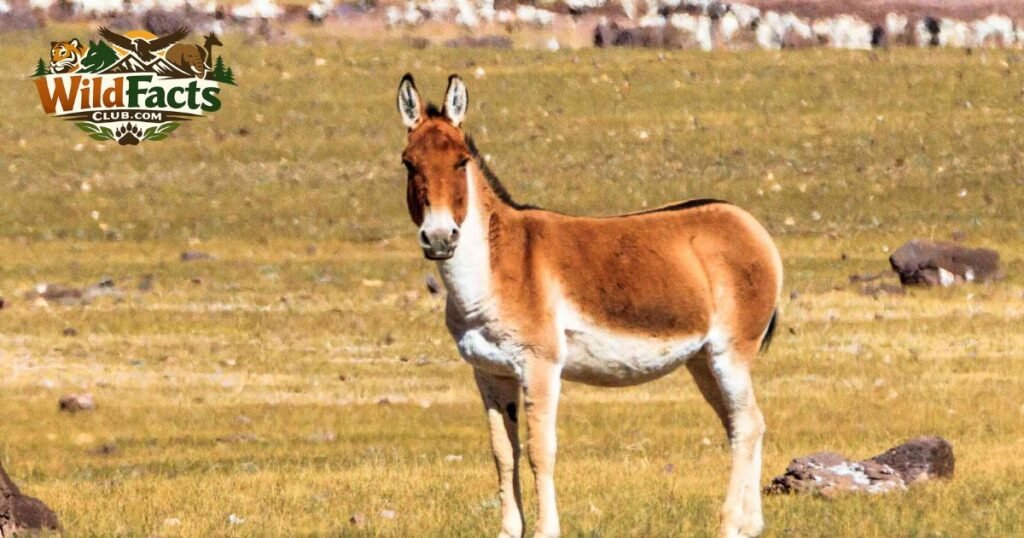
The kiang is the largest wild ass and is native to the high plateaus of Central Asia. It is especially associated with the Tibetan Plateau and other mountainous grassland regions. Kiangs have strong legs and sturdy bodies that allow them to travel across rugged landscapes.
They can run quickly when necessary and may use galloping movements while escaping danger or moving across open ground. Their thick bodies and powerful limbs are adapted to high-altitude environments. Kiangs are social animals and may travel in groups. Their speed is useful for avoiding predators and moving between feeding areas.
Przewalski’s Horses
Przewalski’s horses are one of the most distinctive wild horse populations in the world. They are native to the grasslands and steppe environments of Central Asia and have a compact, sturdy body compared with many domestic horse breeds.
Like other horses, they can gallop and run fast when threatened. Their ability to move quickly across open land is valuable for avoiding predators and traveling between areas. Przewalski’s horses live in social groups and communicate through body language and vocalizations. Their natural running behavior gives researchers useful information about how wild horses move and interact with their environments.
Animals That Gallop to Escape Predators
Speed can be an important survival tool. Animals that live in open grasslands may have fewer places to hide, so running away from predators can be an effective defense. Horses, zebras, and wild asses can use fast gaits when they sense danger. A galloping animal can quickly create distance between itself and a predator.
Speed is not the only defense. Many animals also use sharp turns, group movement, awareness, and endurance. Zebras, for example, may run as a group when threatened. Their ability to accelerate and change direction can make it difficult for predators to select and capture an individual.
Why Do Animals Gallop?
Animals gallop for several reasons. The most important reason is usually rapid movement. Galloping allows an animal to cover more ground in less time than slower gaits such as walking or trotting. Animals may gallop when escaping predators, chasing another animal, traveling toward food or water, or responding to sudden danger.
Domestic animals may also gallop during exercise, competition, or play. Galloping requires more energy than slower movement, so animals generally do not use it continuously. Instead, they choose a gait based on their speed, energy needs, environment, and physical condition.
How Does Galloping Work?
Galloping requires precise coordination between the animal’s legs, spine, muscles, and nervous system. The legs move in a particular sequence while the body extends and contracts with each stride. A suspension phase occurs during a gallop when the animal’s feet are briefly off the ground. The animal then lands and continues the movement through another stride.
The spine also contributes to efficient running by flexing and extending. Strong muscles in the legs, shoulders, hips, and back help generate power. The exact pattern can vary between species, individuals, and different types of galloping movement.
Galloping vs Running
Galloping and running are related but are not always used as exact synonyms. Running is a general term for fast movement, while galloping describes a particular gait pattern commonly associated with four-legged animals. During galloping, the legs follow a coordinated sequence, and there is generally a suspension phase.
Horses provide one of the clearest examples because their movement changes noticeably between walking, trotting, cantering, and galloping. Many animals can run quickly without using a traditional horse-like gallop. Therefore, when discussing animals that gallop, it is useful to focus on their specific gait rather than simply their ability to move fast.
Galloping vs Cantering
Horse owners and riders often distinguish between cantering and galloping. Both are fast gaits, but they have different patterns and speeds. A canter is generally a three-beat gait, while a gallop is a faster four-beat gait. During a gallop, the horse has a longer stride and greater extension.
The horse’s body moves more dynamically, allowing it to reach higher speeds. Cantering is often used during riding and training because it provides speed while remaining more controlled. Galloping requires more space and energy. Understanding the difference between these gaits is important for anyone interested in horse riding, racing, or animal movement.
Galloping Animals in Grasslands
Grasslands are ideal environments for many fast-running animals because they provide large areas of open space. Horses, zebras, and wild asses are examples of animals associated with grassland or steppe environments. In these habitats, animals may need to travel long distances to find food and water.
They may also face predators that can chase them across open ground. Speed therefore provides a valuable survival advantage. Galloping allows animals to move rapidly while using the power of their long limbs and strong muscles. Their ability to run efficiently is closely connected to the environments in which they evolved.
Galloping Animals in the Wild
Wild animals use galloping and other fast gaits as part of their natural behavior. They may run because they are frightened, excited, playing, migrating, or searching for resources. Wild horses and zebras often travel in groups, and group movement can help individuals detect danger. When one animal notices a threat, others may respond quickly.
Fast running can then help the group escape. Wild asses and related species also depend on mobility in environments where resources can be scattered. Their ability to move quickly and efficiently supports survival and allows them to use large areas of habitat.
Can Baby Animals Gallop?
Young animals gradually develop the coordination and strength needed for fast movement. Foals, for example, can stand and walk relatively soon after birth, and they quickly begin experimenting with faster movement. Young zebras also become mobile early because staying close to the herd can be important for survival. As young animals grow, their muscles, bones, balance, and nervous systems develop.
They learn how to control their movements by practicing and observing adults. Young animals may appear playful when they run, jump, and change direction. These activities can help them develop skills that become important later in life.
How Fast Can Galloping Animals Move?
The speed of a galloping animal depends on species, breed, age, health, terrain, motivation, and individual ability. Horses are capable of reaching very high speeds during short sprints. Zebras and wild asses are also fast runners and can maintain significant speeds when escaping predators or traveling across open terrain.
Speed should not be compared solely by a single maximum number because animals use different running strategies. Some are built for short bursts, while others are better suited to endurance. Galloping generally allows an animal to move much faster than walking or trotting, but it also requires considerably more energy.
The Role of Strong Legs
Strong legs are essential for animals that gallop. The legs must support the body’s weight while also producing powerful forward movement. Long limbs can increase stride length, while strong muscles help generate acceleration. The joints and tendons also contribute to efficient movement by storing and releasing energy.
Horses and zebras have specialized limb structures that allow them to run effectively across open ground. Their feet also provide support and protection. The combination of bones, muscles, tendons, joints, and hooves creates an efficient system that helps these animals perform fast gaits.
Galloping and Animal Survival
Galloping can directly contribute to survival. For prey animals, speed can mean the difference between escaping and being caught. A fast animal may outrun a predator, create enough distance to escape, or reach safer terrain. Galloping can also help animals move between food and water sources.
In some environments, animals must travel considerable distances every day. Efficient movement reduces the energy required to cover those distances. Because survival depends on balancing speed and energy, animals do not gallop constantly. They select different gaits according to the situation and the amount of energy available.
Galloping in Domestic Animals
Domestic horses are the most common animals people associate with galloping. They may gallop during horse racing, riding lessons, training, jumping activities, or recreational riding. Some domestic donkeys and mules can also use fast gaits; owners should consider the animal’s health, training, age, surface, and available space before encouraging high-speed movement.
Galloping places considerable stress on muscles, joints, and tendons. Proper conditioning and appropriate care are important for maintaining an animal’s well-being. In professional settings, trainers gradually develop an animal’s strength and coordination rather than expecting maximum speed immediately.
Interesting Facts About Animals That Gallop
Galloping animals have several fascinating characteristics. Horses can change between multiple gaits depending on their speed and situation. Zebras use their speed and agility to survive in predator-rich environments. Wild asses are adapted to harsh climates and can travel long distances in search of resources.
Przewalski’s horses represent an important population of wild horses and have been involved in conservation programs. Mules combine characteristics from horses and donkeys and are valued for their strength and endurance. These examples show that galloping is not simply a fast movement but an important adaptation connected to anatomy, habitat, behavior, and survival.
Final Words
Animals that gallop are specially adapted for fast and coordinated movement. Horses are the most familiar galloping animals, but zebras, donkeys, wild asses, onagers, kiangs, mules, and Przewalski’s horses can also use fast gaits associated with galloping. Their strong legs, flexible bodies, powerful muscles, and specialized feet help them move quickly across different landscapes.
Galloping can help animals escape predators, travel between resources, play, or respond to danger. Although galloping uses significant energy, it provides an important survival advantage in many environments. Learning about galloping gives us a better understanding of animal anatomy, behavior, evolution, and adaptation.
FAQs
What Are Animals That Move By Galloping?
Animals that move by galloping usually have four legs and use a fast, four-beat running movement. Horses, zebras, deer, and some other hoofed animals can gallop.
Which Animals Are Known For Galloping Movement?
Horses are the best-known animals for galloping. Other animals that can use this movement include zebras, deer, antelopes, and some large mammals.
Why Do Animals Use Gallop Movement?
Animals use gallop movement to travel quickly, escape predators, chase prey, or cover long distances. It allows many four-legged animals to reach high speeds.
What Is The Difference Between Galloping And Running?
Galloping is a specific fast movement in which an animal’s legs follow a particular pattern, often with all four feet briefly leaving the ground. Running is a broader term for fast movement.