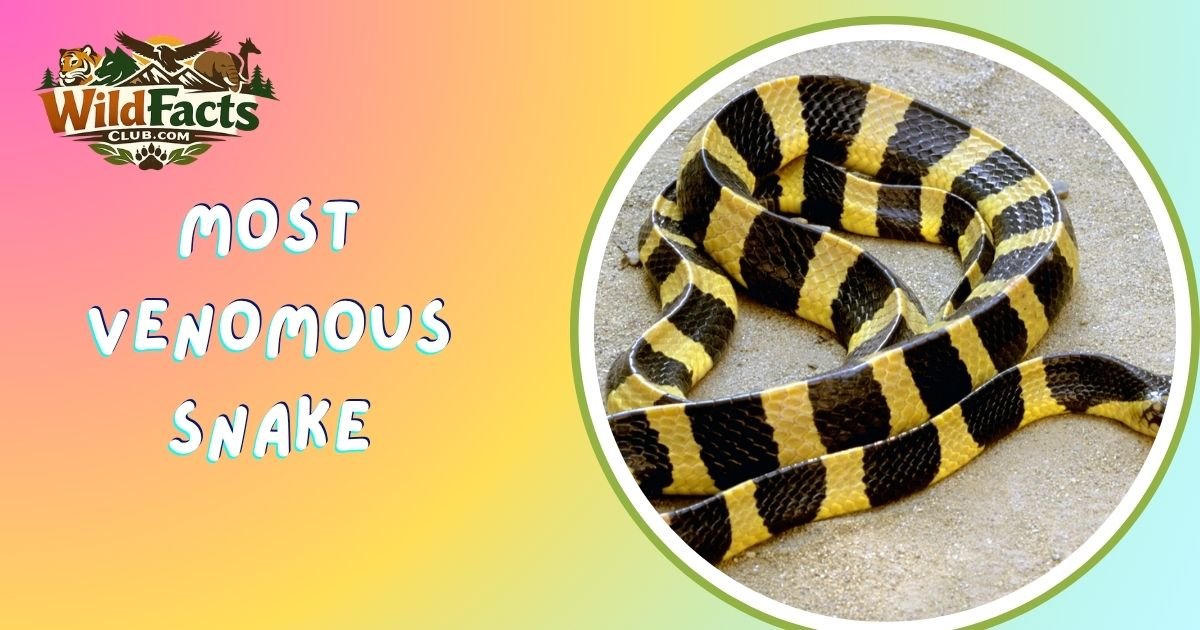
Most Venomous Snake: A Complete Guide
Snakes are among the most fascinating and misunderstood animals on Earth. While many snake species are harmless to humans, some possess extremely powerful venoms that can cause serious illness or even death. The term most venomous snake usually refers to a species whose venom has very high toxicity, often measured by laboratory tests such as LD50. Venom toxicity alone does not determine how dangerous a snake is.
Factors such as venom quantity, behavior, habitat, bite frequency, and access to medical treatment also matter. In this article, we will explore some of the world’s most venomous snakes, their characteristics, habitats, venom effects, and the reasons they are considered medically important.
List of Most Venomous Snakes
- Inland Taipan
- Eastern Brown Snake
- Coastal Taipan
- Black Mamba
- Common Krait
- King Cobra
- Tiger Snake
- Death Adder
- Saw-Scaled Viper
- Belcher’s Sea Snake
Inland Taipan
The Inland Taipan (Oxyuranus microlepidotus) is widely regarded as the snake with the most toxic venom based on laboratory measures of venom toxicity. It is native to inland regions of Australia, where it lives in dry and relatively remote environments. Its venom contains powerful neurotoxins and other components capable of rapidly affecting the nervous system, muscles, blood clotting, and other body functions.
Despite its exceptional venom potency, the inland taipan is not responsible for large numbers of human deaths because it is secretive, has a limited distribution, and usually avoids people. Its diet mainly consists of small mammals, particularly rodents. The snake’s brownish coloration can change with the seasons.
Eastern Brown Snake
The Eastern Brown Snake (Pseudonaja textilis) is one of Australia’s most medically significant snakes. It has highly potent venom and is also relatively widespread in areas where people live and work. Its venom contains components that can interfere with blood clotting and the nervous system. Eastern brown snakes are generally alert and can move quickly when threatened.
Their coloration varies from light brown to darker shades, sometimes with banding or other patterns. They are commonly found in grasslands, farmland, woodland, and areas modified by humans. Although they are dangerous when provoked, they normally prefer to escape rather than confront people. Prompt medical treatment after a suspected bite is extremely important.
Coastal Taipan
The Coastal Taipan (Oxyuranus scutellatus) is another highly venomous Australian snake. It occurs mainly in northern and eastern parts of Australia and also in parts of New Guinea. It can grow to a considerable length and is known for its speed and agility. Its venom contains powerful neurotoxins and other substances that can interfere with nerves, muscles, and blood clotting. Coastal taipans usually feed on mammals and are excellent hunters.
They may become defensive if they feel trapped or threatened. Their combination of potent venom, speed, and relatively large body size makes them an important medically significant species. Like all venomous snakes, they should never be approached, handled, or deliberately disturbed.
Black Mamba
The Black Mamba (Dendroaspis polylepis) is one of Africa’s most famous venomous snakes. It is found in several parts of sub-Saharan Africa and can inhabit savannas, woodlands, rocky areas, and other suitable environments. Its venom contains powerful neurotoxins that can interfere with communication between nerves and muscles.
The black mamba is often described as fast-moving, although popular stories sometimes exaggerate its speed and aggression. The name does not refer to its body color; the snake is usually gray, brown, or olive, while the inside of its mouth is dark. When threatened, it may raise its head and display defensive behavior. Immediate medical care is essential following a bite.
Common Krait
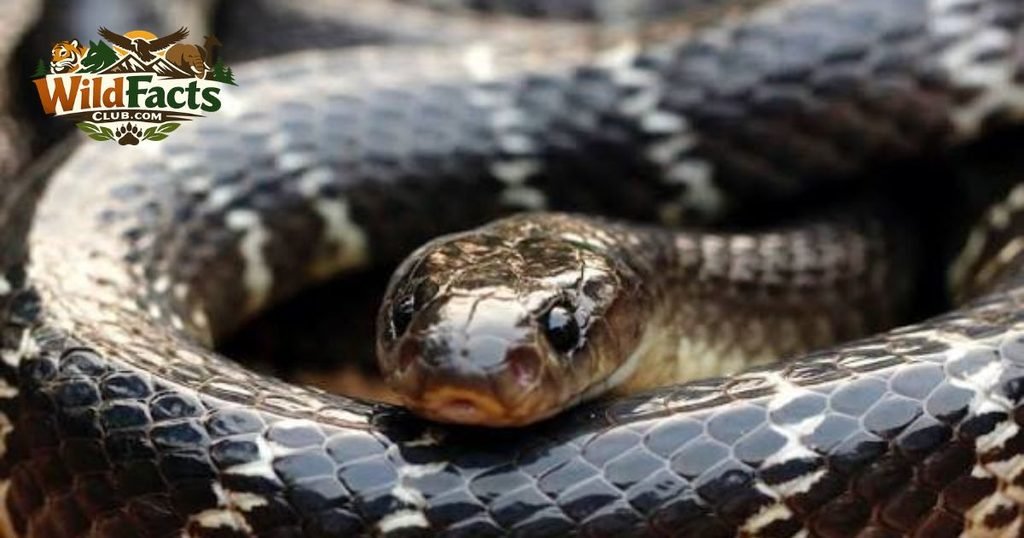
The Common Krait (Bungarus caeruleus) is a highly venomous snake found in parts of South Asia. It is recognized by its dark body and lighter bands, although its appearance can vary. Kraits are primarily nocturnal and may become active at night in search of prey. Their venom is particularly dangerous because it contains neurotoxins that can interfere with nerve signals and cause progressive muscle paralysis.
In severe cases, respiratory muscles may become unable to function properly. Kraits often feed on other snakes and small animals. Because they may enter homes or areas where people sleep, accidental encounters can occur. A suspected krait bite should always be treated as a medical emergency.
Read More: Hybrid Animals: 15 Fascinating Examples and Their Unique Features
King Cobra
The King Cobra (Ophiophagus hannah) is the world’s longest venomous snake and is famous for its impressive size and hood. It is found in parts of South and Southeast Asia, especially in forests and near water. Unlike many snakes, the king cobra primarily feeds on other snakes, which is reflected in its scientific name.
Its venom contains neurotoxic components that can affect the nervous system and breathing. The king cobra is generally shy and prefers to avoid humans, but it can become highly defensive when threatened, especially when protecting its territory or nest. Although its venom is not considered the most toxic by laboratory measures, its large size means it can potentially deliver a substantial amount of venom.
Tiger Snake
The Tiger Snake refers to a group of closely related venomous snakes found mainly in Australia. They are named for the banded patterns that can resemble tiger stripes, although coloration differs among populations. Tiger snake venom contains neurotoxins, toxins affecting blood clotting, and other components that can cause severe illness.
These snakes occupy a wide range of habitats, including wetlands, grasslands, forests, and coastal areas. They are generally cautious but can defend themselves if cornered. Tiger snakes are important predators within their ecosystems because they help control populations of small animals. Because of their venom and distribution, they are considered medically significant, and suspected bites require urgent professional medical attention.
Death Adder
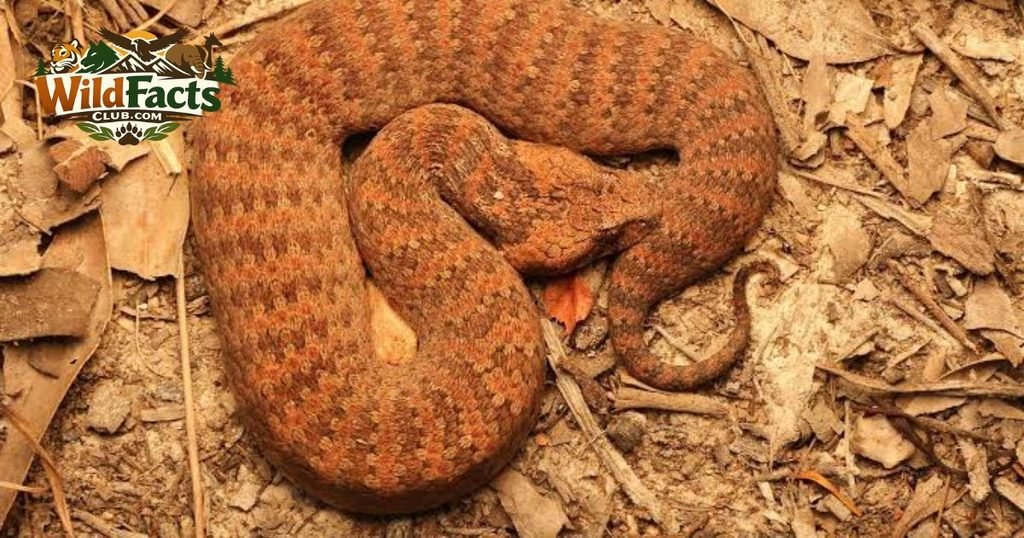
The Death Adder belongs to the genus Acanthophis and is native to Australia and nearby regions. Unlike many snakes that actively chase prey, death adders often rely on camouflage and ambush hunting. Their bodies are relatively short and stout, and they can blend effectively into leaf litter, soil, and vegetation.
A distinctive tail movement can act as a lure that attracts prey close enough for a rapid strike. Their venom contains potent neurotoxins that can cause paralysis and other serious effects. Death adders generally prefer to remain hidden rather than interact with people. Their camouflage can make accidental encounters possible, particularly when humans walk through suitable habitat without noticing the snake.
Saw-Scaled Viper
The Saw-Scaled Viper (Echis carinatus) is a medically important venomous snake found across parts of South Asia and the Middle East, with related species occurring in other regions. It is relatively small compared with some of the snakes on this list, but its venom can cause severe medical complications.
It is famous for producing a characteristic rasping or sawing sound by rubbing sections of its body together when threatened. Its venom can strongly affect blood clotting and may lead to dangerous bleeding or other complications. Saw-scaled vipers are often active at night, especially in hot environments. Their ability to live in dry areas brings them into contact with humans in some regions.
Belcher’s Sea Snake
Belcher’s Sea Snake (Hydrophis belcheri) is a marine snake found in parts of the tropical Indo-Pacific. It is often mentioned in discussions about extremely venomous snakes because laboratory tests have shown highly potent venom. However, venom toxicity should not be confused with overall danger to humans.
Sea snakes generally have little reason to bite people and many are relatively non-aggressive. They are adapted to life in the ocean, with flattened bodies and paddle-like tails that help them swim efficiently. They feed mainly on fish and other marine animals. Encounters with humans usually occur around coastal waters, fishing activities, or when sea snakes are accidentally captured in nets.
What Makes a Snake Highly Venomous?
A snake’s venomous nature depends on several biological factors rather than one simple measurement. Venom contains a mixture of proteins, enzymes, peptides, and other compounds that can affect the nervous system, muscles, blood, or tissues. Some snakes have venom that is extremely toxic in very small quantities, while others can inject a larger amount of venom.
Scientists often use laboratory measurements to compare venom toxicity, but these tests do not perfectly predict what happens during a real bite. A snake’s behavior, habitat, ability to deliver venom, and frequency of human encounters also influence its medical importance. Therefore, the phrase “most venomous snake” should be understood carefully.
How Snake Venom Affects the Human Body
Different snake venoms affect the human body in different ways. Neurotoxic venom can interfere with nerve signals and may lead to muscle weakness or paralysis. Hemotoxic and procoagulant components can interfere with normal blood clotting and may cause dangerous bleeding or abnormal clot formation.
Some venoms contain cytotoxins, which can damage cells and tissues around the bite. Other venom components may affect the kidneys, heart, or muscles. The symptoms of envenomation vary greatly between species. A bite from an unidentified snake should never be ignored simply because symptoms are initially mild. Some serious effects can develop gradually, so urgent medical assessment is important after a suspected venomous snakebite.
Where Do the Most Venomous Snakes Live?
Highly venomous snakes occur on several continents, but Australia is particularly famous for its diversity of medically important venomous snakes. Species such as the inland taipan, eastern brown snake, coastal taipan, tiger snake, and death adder are found there. Africa is home to dangerous species such as the black mamba, while South and Southeast Asia contain kraits, cobras, vipers, and other venomous snakes. Marine environments also contain venomous sea snakes. Their habitats range from deserts and grasslands to forests, wetlands, agricultural areas, and tropical oceans. Climate, food availability, shelter, and environmental conditions all influence where individual snake species can survive.
Most Venomous Does Not Always Mean Most Dangerous
The term most venomous snake can be misleading because venom toxicity is only one part of risk. A snake may possess extremely powerful venom but rarely encounter humans because it lives in remote areas and avoids people.
Another species may have somewhat less toxic venom but live close to homes, farms, roads, and populated areas, resulting in more human bites. The amount of venom injected during a bite also varies. Some bites may be dry bites, in which little or no venom is delivered. Consequently, scientists distinguish between venom toxicity and the overall public-health risk associated with a snake.
How to Stay Safe Around Venomous Snakes
The safest approach is to avoid interacting with wild snakes. Never attempt to pick up, chase, corner, or kill a snake. When walking through areas where snakes may occur, wearing appropriate footwear and watching where you place your hands and feet can reduce accidental encounters.
Avoid reaching into holes, piles of vegetation, rocks, or other hidden spaces without checking them safely. If you encounter a snake, keep a safe distance and allow it an opportunity to move away. At home, reducing clutter and keeping grass and vegetation managed can also reduce hiding places around buildings. Learning which venomous species occur in your local region can further improve awareness.
What to Do After a Snakebite
A suspected venomous snakebite should be treated as a medical emergency. Move away from the snake without trying to catch or kill it, and seek emergency medical assistance immediately. Keep the affected person as still and calm as possible because unnecessary movement can potentially increase the spread of venom through the body.
Follow local first-aid guidance for snakebite and avoid cutting the wound, sucking out venom, applying ice, or using unverified traditional remedies. If it can be done safely from a distance, noting the snake’s appearance may help medical professionals, but attempting to identify or capture it is dangerous. Professional treatment may include antivenom and supportive medical care when appropriate.
Why Venomous Snakes Are Important to Nature
Although venomous snakes can be dangerous, they play valuable roles in ecosystems. Many control populations of rodents, frogs, lizards, birds, and other animals. By regulating prey populations, snakes contribute to the balance of food webs. They also serve as prey for some birds and mammals, making them part of larger ecological systems.
Snake venom is also scientifically valuable. Researchers study venom components because they contain molecules that may help scientists understand biological processes and develop medical treatments. Therefore, venomous snakes should not simply be viewed as dangerous animals. They are important predators, evolutionary adaptations, and subjects of scientific research.
Final Words
The most venomous snake is commonly identified as the Inland Taipan when venom toxicity is measured using laboratory tests. However, several other snakes, including the Eastern Brown Snake, Coastal Taipan, Black Mamba, Common Krait, King Cobra, Tiger Snake, Death Adder, Saw-Scaled Viper, and Belcher’s Sea Snake, are also highly venomous and medically important.
Each species has unique characteristics, habitats, hunting strategies, and venom effects. Understanding these snakes helps people appreciate their role in nature while reducing the risk of dangerous encounters. The best response to venomous snakes is respect, caution, and professional medical treatment after any suspected bite rather than attempting to handle or confront them.
FAQs
What Is The Most Venomous Snake In The World?
The inland taipan is widely considered the most venomous snake based on the toxicity of its venom.
Where Does The Most Venomous Snake Live?
The inland taipan is native to the arid regions of central Australia, where it lives in remote, dry habitats.
Is The Inland Taipan Dangerous To Humans?
Yes, its venom is extremely potent, but encounters with humans are rare because the snake is shy and lives in isolated areas.
Which Snake Has The Most Powerful Venom?
The inland taipan is known for having exceptionally potent venom, containing neurotoxins and other components that can seriously affect the nervous system and blood.