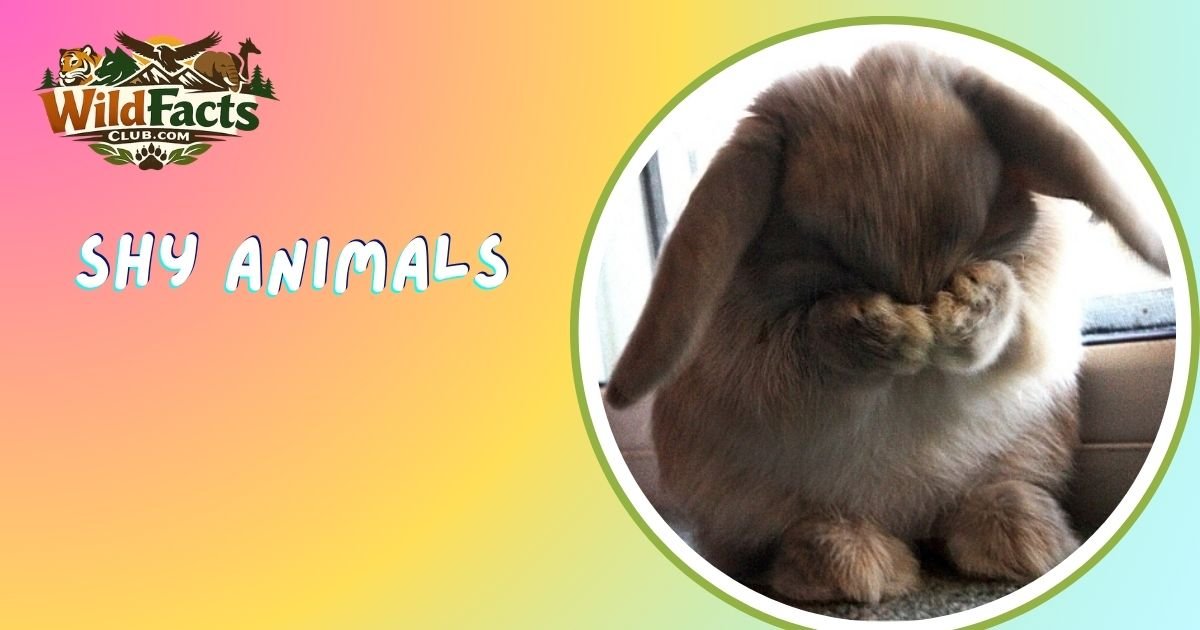
Shy Animals: A List of The Most Timid Animals in The World
Shy animals are creatures that usually avoid humans, loud sounds, unfamiliar places, and possible threats. Instead of approaching others, these animals prefer to hide, stay quiet, or move away when they feel uncomfortable. Their shy nature is often connected to survival because avoiding danger helps them stay safe in the wild.
Some shy animals are active at night, while others live in forests, burrows, trees, or remote habitats where they can remain hidden. From gentle deer and slow-moving sloths to secretive pangolins and red pandas, the animal kingdom has many fascinating species that prefer a peaceful and private life.
List Of Shy Animals
- Sloth
- Giant Panda
- Red Panda
- Deer
- Rabbit
- Koala
- Hedgehog
- Pangolin
- Fennec Fox
- Wombat
- Opossum
- Armadillo
- Quokka
- Capybara
- Axolotl
- Beaver
- Squirrel
- Meerkat
- Mouse
- Guinea Pig
- Chinchilla
- Gazelle
- Antelope
- Manatee
- Platypus
- Otter
- Mole
- Bat
- Raccoon
- Aardvark
Sloth
Sloths are among the most famous shy animals. They spend most of their lives in trees and move very slowly. Their quiet lifestyle allows them to remain unnoticed by predators and other animals. Sloths usually avoid humans and do not actively seek interaction. Their ability to remain still for long periods also makes them difficult to notice in the wild.
They mainly eat leaves and spend a lot of time resting. Their natural habitat is tropical forests, where trees provide food and protection. Although sloths look peaceful and relaxed, they are wild animals and should always be observed from a safe distance.
Giant Panda
Giant pandas are gentle-looking animals that generally prefer a quiet and solitary lifestyle. Wild pandas live mainly in mountainous forests where bamboo is available. They spend much of their day eating and resting instead of interacting with other animals. Pandas usually avoid humans and can be difficult to observe in their natural habitat.
Their peaceful behavior does not mean they are domesticated. They are still wild animals with instincts. Dense vegetation provides pandas with places to hide and move away from potential threats. Their quiet nature is one of the reasons they are often included among shy animals.
Red Panda
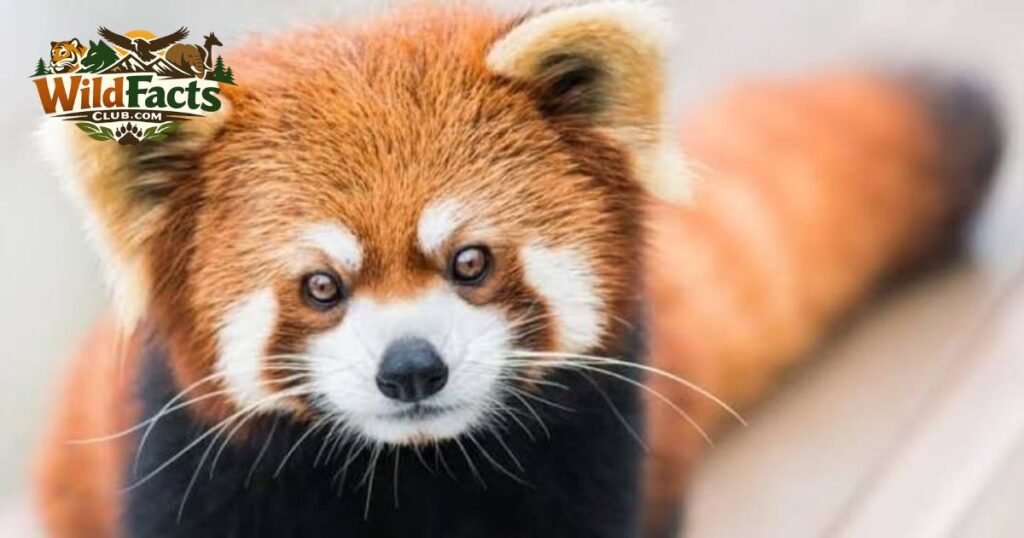
Red pandas are small mammals known for their reddish fur and long, bushy tails. They live in forests and spend a lot of time in trees. Red pandas are generally solitary and prefer to stay away from humans and unfamiliar animals. When they feel threatened, they may climb into trees or hide among branches.
Their small size and forest habitat make them difficult to spot in the wild. They mainly eat bamboo along with other available foods. Their quiet behavior and preference for secluded places make the red panda one of the most interesting shy animals in nature.
Deer
Deer are naturally cautious animals that are always alert to sounds and movements around them. They can quickly detect possible danger and often run away when they notice humans or predators. Many deer live in forests, grasslands, mountains, and other natural environments. Their large ears help them detect sounds, while their strong legs allow them to escape quickly.
Young deer can be particularly shy and may remain hidden among grass and vegetation. Deer usually prefer peaceful surroundings and avoid unnecessary contact. Their cautious behavior is an important survival skill that helps them stay safe from predators.
Rabbit
Rabbits are small and alert animals that can be very shy, especially in the wild. They are prey animals, so they naturally remain cautious around unfamiliar sounds and movements. When a rabbit feels threatened, it may freeze, hide, or quickly run toward a safe place. Wild rabbits often live near vegetation, fields, forests, and underground burrows.
Their burrows provide protection from predators and harsh weather. Rabbits also have excellent hearing, which helps them notice danger. Although pet rabbits can become comfortable with people, wild rabbits generally prefer to maintain distance from humans.
Koala
Koalas are quiet Australian animals that spend most of their lives in eucalyptus trees. They sleep for many hours and usually avoid unnecessary movement. Koalas are not naturally interested in human interaction and may become stressed if people get too close. Their tree-dwelling lifestyle gives them protection and access to their main food source.
Koalas have strong claws that help them climb and remain safely in trees. Although they look calm and cuddly, they are wild animals and should not be approached or touched. Their peaceful lifestyle makes them a well-known example of a shy animal.
Hedgehog
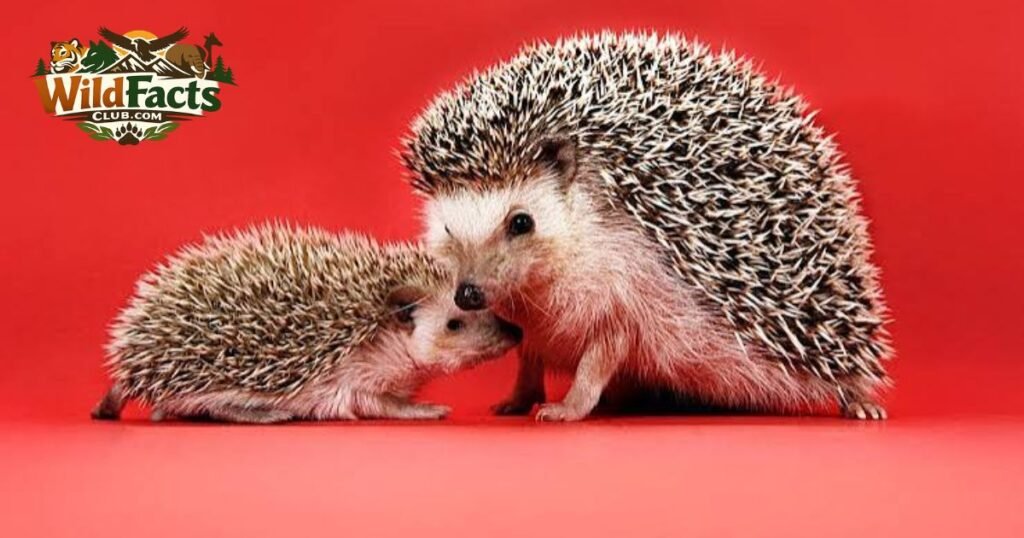
Hedgehogs are small mammals covered with sharp spines. They are often shy and prefer to remain hidden during the daytime. Many hedgehogs are nocturnal, meaning they become active after dark. When they feel threatened, they can curl their bodies into a ball, allowing their spines to protect them.
This defensive behavior helps them deal with predators without having to fight. Hedgehogs usually search for food at night and spend the daytime resting in protected areas. Their small size, nighttime activity, and defensive behavior make them one of the more secretive animals.
Pangolin
Pangolins are highly secretive mammals covered in protective scales. They generally live alone and avoid contact with humans and other animals. Many pangolins are active at night, when they search for ants and termites. When threatened, a pangolin can curl itself into a tight ball, protecting its soft body with its strong scales. Some species also use burrows as safe places to rest and escape danger.
Their shy behavior makes them difficult to observe in the wild. Pangolins are also among the world’s most threatened mammals, making conservation and protection of their natural habitats especially important.
Read More: With Down Syndrome: Which Animals Can Have Down Syndrome?
Fennec Fox
The fennec fox is a small desert animal famous for its unusually large ears. It lives in the deserts of North Africa and is mainly active during the night. Being active after sunset helps the fennec fox avoid extreme daytime temperatures. During the day, it can stay inside underground burrows to remain cool and protected.
Fennec foxes are cautious animals and usually avoid unnecessary contact with people. Their sandy-colored fur provides camouflage in their environment. Their small size, nighttime lifestyle, and ability to hide underground make them a fascinating example of a shy animal.
Wombat
Wombats are Australian marsupials that spend a considerable amount of time in underground burrows. These burrows provide shelter from weather conditions and possible predators. Wombats are generally solitary and can be cautious around unfamiliar creatures. They often become more active during cooler parts of the day or at night.
Their strong bodies and powerful claws help them dig and maintain their burrows. Because they spend so much time underground, people may rarely see them in their natural environment. Their quiet and independent lifestyle makes wombats another interesting member of the shy animal group.
Opossum
Opossums are mostly nocturnal mammals that generally prefer to avoid conflict. They often become active at night when their surroundings are quieter. When threatened, an opossum may hide, escape, or use a defensive behavior commonly known as playing dead. This unusual reaction can discourage predators.
Opossums can live in forests, fields, and areas close to human settlements. Even when they are found near homes, they generally prefer to keep their distance. Their nighttime habits and defensive behavior make them naturally cautious animals.
Armadillo
Armadillos are unusual mammals recognized by their protective body armor. They usually spend much of their time searching for food close to the ground. Many species are active during the evening or at night, which helps them avoid heat and some predators. When threatened, an armadillo may quickly run toward a burrow or hiding place.
Some species can also use their armor as protection. Their underground lifestyle and cautious behavior make them difficult to observe. Armadillos generally prefer to live without unnecessary interaction, making them a good example of shy wildlife.
Quokka
Quokkas are small marsupials found mainly in Western Australia. They are famous for their facial expressions, which often look like a smile in photographs. However, wild quokkas should not be assumed to be friendly or domesticated. They can be cautious and may avoid unfamiliar situations.
Quokkas generally live in areas where they can find food, water, and shelter. They are often more active during cooler periods. Their natural behavior is to remain close to suitable habitat rather than actively seeking people. This makes the quokka another interesting animal to learn about when discussing shy animals.
Capybara
Capybaras are the largest living rodents and are native to South America. They often live close to rivers, lakes, wetlands, and other sources of water. Capybaras can appear very relaxed, especially when living in groups, but wild individuals can still be cautious around unfamiliar people.
Water provides them with an important escape route when they sense danger. Living in groups also gives them additional protection because different members can remain alert. Their calm appearance does not mean they should be approached. Wild capybaras are best observed from a respectful distance.
Axolotl
Axolotls are unusual aquatic salamanders known for their external gills and remarkable regenerative abilities. They spend their lives in water and can remain among aquatic plants and other underwater structures. Their aquatic lifestyle means they are not commonly encountered by people in their natural environment.
Axolotls generally do not seek interaction with humans. They are adapted to quiet aquatic surroundings where they can find food and remain protected. Their unusual appearance and secretive underwater lifestyle make them one of the most fascinating shy animals to learn about.
How Do Shy Animals Protect Themselves?
Shy animals use different methods to protect themselves. Some hide in trees, bushes, caves, or underground burrows. Others rely on camouflage to blend into their surroundings. Some animals use physical defenses. Hedgehogs have sharp spines, while pangolins have protective scales.
Rabbits and deer rely heavily on speed to escape danger. No single defense works for every species. Each animal has developed behaviors that match its habitat and lifestyle. These adaptations show how intelligent and effective natural survival strategies can be.
Shy Animals And Humans
Most shy wild animals prefer to avoid humans rather than interact with them. If an animal runs away when someone approaches, it is usually showing that it wants distance. People should respect this behavior.
Chasing an animal for a photograph, attempting to touch it, or feeding it can cause unnecessary stress. Wildlife should be observed quietly and from a safe distance. This allows animals to continue their natural activities without feeling threatened.
Final Words
Shy animals have fascinating ways of living and protecting themselves. From tree-dwelling sloths and koalas to secretive pangolins, cautious deer, and nocturnal hedgehogs, these animals show how different survival strategies work in nature.
Their shy behavior is not a weakness. It is often an important adaptation that helps them avoid predators, conserve energy, and stay safe. Understanding these animals also reminds us that wild creatures deserve space and respect.
FAQs
What Are Shy Animals?
Shy animals are creatures that usually avoid humans, unfamiliar animals, loud sounds, or potentially dangerous situations. They may hide, run away, stay still, or become active at night.
What Is The Shyest Animal?
There is no officially recognized shyest animal. Pangolins, sloths, red pandas, deer, and several nocturnal mammals are commonly considered very secretive and cautious.
Why Are Some Animals Shy?
Animals may be shy because avoiding predators and unfamiliar situations helps them survive. Their habitat, instincts, personality, and previous experiences can also influence their behavior.