Animals With Down Syndrome: Which Animals Can Have Down Syndrome?
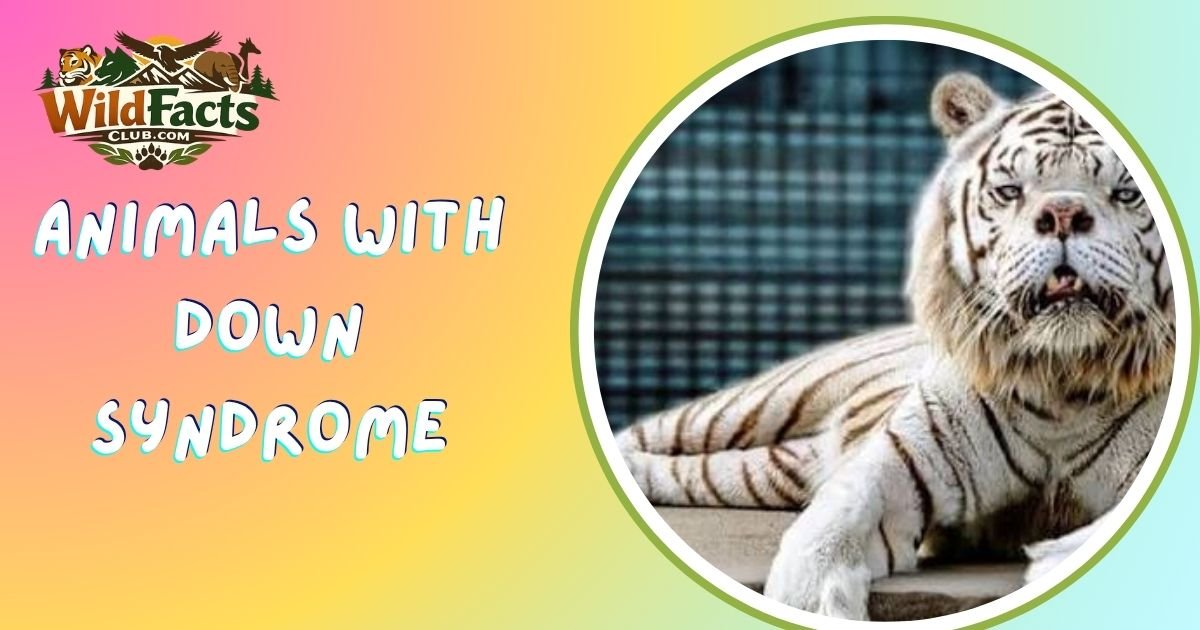
When people search for animals with Down syndrome, they often see pictures of dogs, cats, or other animals with unusual facial features and assume that they have Down syndrome. The reality is more complicated because an extra copy of human chromosome 21 specifically causes Down syndrome.
Animals have different chromosome numbers and genetic arrangements, so an animal cannot be diagnosed with human Down syndrome simply because it looks different. Some animals can have chromosomal conditions that are biologically similar to human Down syndrome. The best-known naturally occurring example is a chimpanzee with trisomy 22, because chimpanzee chromosome 22 corresponds to human chromosome 21.
What Is Down Syndrome?
Down syndrome is a genetic condition caused primarily by having an extra copy of human chromosome 21. Instead of having two copies of chromosome 21, a person with trisomy 21 generally has three copies. This additional genetic material can influence physical development, learning, growth, and different body systems. The condition is well studied in humans, but scientists also study animals to understand how extra genetic material affects development.
It is important to remember that an animal with an extra chromosome does not automatically have Down syndrome. The chromosomes of each species contain different genetic arrangements, so scientists compare specific chromosome regions rather than relying only on chromosome numbers or physical appearance.
Can Animals Have Down Syndrome?
Animals can develop chromosomal abnormalities, including trisomies in which an individual has an additional copy of a chromosome. However, scientists usually do not use the term Down syndrome for every animal with an extra chromosome. The most important naturally occurring example is chimpanzee trisomy 22.
Great ape chromosome 22 corresponds to human chromosome 21, which makes chimpanzee trisomy 22 particularly comparable to human trisomy 21. Researchers have documented chimpanzees with this condition and observed developmental and health characteristics similar to some features associated with human Down syndrome.
Chimpanzees With Down Syndrome-Like Conditions
Chimpanzees are the clearest example when discussing animals with Down syndrome. Researchers have documented naturally occurring trisomy 22 in chimpanzees. Because chromosome 22 in great apes corresponds to human chromosome 21, an additional copy can produce a condition analogous to human Down syndrome.
One documented chimpanzee had slow growth, cataracts, vision problems, a congenital heart defect, and reduced tooth development. These features overlap with several characteristics that can occur in people with Down syndrome. Scientists therefore consider chimpanzee trisomy 22 an important natural animal model for studying the effects of chromosome imbalance.
Why Chimpanzee Trisomy 22 Is Similar to Human Down Syndrome
The chromosome numbers of humans and chimpanzees can be confusing because the corresponding chromosome is numbered differently. Humans have chromosome 21, while great apes have the corresponding chromosome numbered 22. Research has shown that important regions associated with human chromosome 21 are conserved in great apes.
Therefore, when a chimpanzee has an extra copy of chromosome 22, researchers can compare the resulting genetic and developmental effects with human trisomy 21. This does not mean the chimpanzee has a human chromosome 21. Instead, the chimpanzee has an extra copy of its own corresponding chromosome, making trisomy 22 an analogous condition.
Read More: Animals That Gallop: Examples, Facts, and How They Move
Cat With Down Syndrome
A cat may have a congenital abnormality, neurological condition, genetic disorder, or another medical problem that affects its appearance or behavior. Cats also have a different chromosome arrangement from humans, meaning that human chromosome 21 cannot simply be transferred into a cat diagnosis. Some cats can develop chromosomal abnormalities, but this does not mean they have human Down syndrome. A veterinary examination and appropriate genetic testing would be needed to identify the actual condition.
Cat With Down Syndrome
Dogs are another animal frequently described online as having Down syndrome. Pictures of dogs with unusual facial shapes, slow development, abnormal movement, or other physical differences are sometimes labeled this way. Appearance alone cannot establish a diagnosis of Down syndrome.
Dogs have their own chromosome arrangement and genetic disorders, and human trisomy 21 does not directly translate into a canine diagnosis. A dog that appears different may have a congenital condition, genetic mutation, developmental problem, or another health issue. Therefore, it is more accurate to describe a dog according to its confirmed medical condition rather than automatically calling it a dog with Down syndrome.
Primates With Down Syndrome
Other great apes share many genetic regions with humans, including regions corresponding to human chromosome 21. Research has shown that the Down syndrome critical region is conserved in great apes, including chimpanzees, gorillas, and orangutans. This genetic similarity is one reason scientists are interested in studying chromosomal abnormalities in primates.
Researchers should not assume that every great ape can naturally develop the same condition as humans. The best-known naturally occurring example remains chimpanzee trisomy 22. The condition is particularly important because chromosome 22 in chimpanzees corresponds to human chromosome 21.
Cattle With Down Syndrome
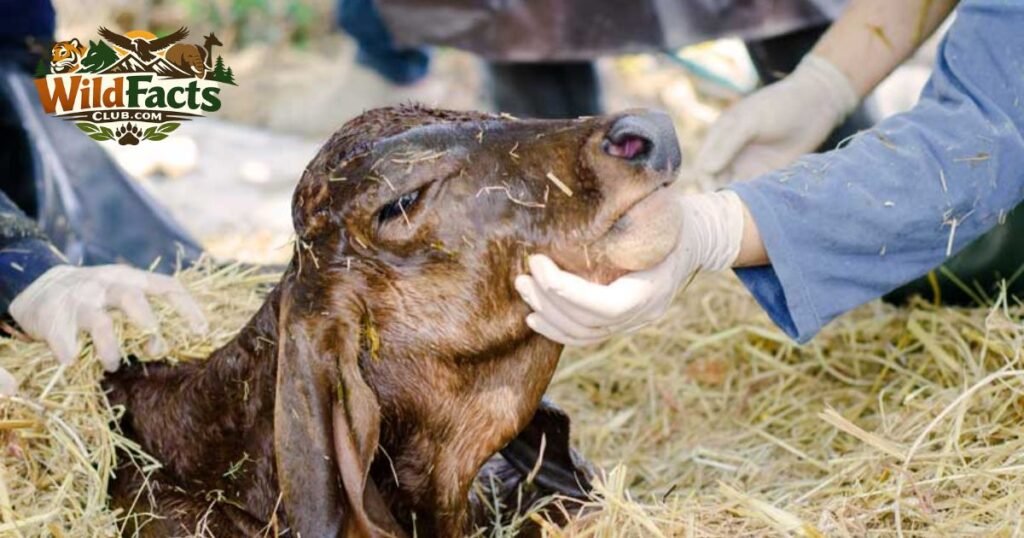
Cattle can develop chromosomal abnormalities, including trisomies, but these should not automatically be called Down syndrome. Cattle have a different chromosome structure from humans, so an additional cattle chromosome does not represent human chromosome 21. Scientists have documented individual cattle with chromosome abnormalities that can cause developmental or physical problems.
These cases are useful for veterinary genetics because they demonstrate how changes in chromosome number can affect animal development. However, researchers distinguish these abnormalities from human trisomy 21. When discussing cattle, it is therefore more accurate to use the specific chromosomal diagnosis rather than saying that the animal has Down syndrome.
Mice With Down Syndrome
Mice are extremely important in Down syndrome research, but most of these mice do not naturally have human Down syndrome. Scientists have developed genetically modified mouse models that reproduce selected genetic features associated with human chromosome 21.
Human chromosome 21 corresponds to genetic regions found on several mouse chromosomes, including mouse chromosomes 10, 16, and 17. Researchers can create extra copies of these corresponding regions to study Down syndrome-related characteristics. These animals are called mouse models of Down syndrome. They help scientists investigate development, brain function, learning, memory, and possible treatments.
What Are Down Syndrome Animal Models?
A Down syndrome animal model is an animal that has been genetically altered or selected to reproduce some of the genetic or biological characteristics of human trisomy 21. These models are valuable because researchers cannot investigate every biological question directly in humans.
Mice are among the most widely used models because many genes are conserved between mice and humans. Scientists have created several mouse models containing extra copies of genetic regions corresponding to human chromosome 21. These animals can show Down syndrome-related changes in behavior, brain function, development, and other biological processes. Such models are research tools rather than naturally occurring cases of human Down syndrome.
Rats With Down Syndrome
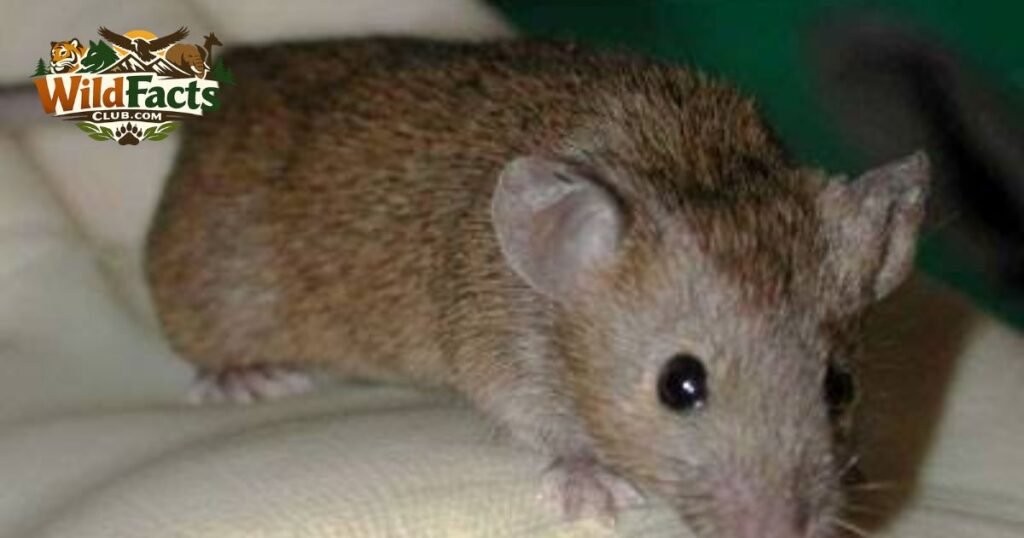
Rats have also been developed as animal models for Down syndrome research. Scientists created a transchromosomic rat carrying a human chromosome 21, allowing researchers to study many genes associated with trisomy 21 in a living animal.
The reported model showed several characteristics relevant to Down syndrome research, including learning and memory differences, changes in brain structure, craniofacial differences, and heart-development abnormalities.
This does not mean that ordinary rats naturally have Down syndrome. Instead, the animal was specifically developed for scientific research. Such models can help researchers understand how extra chromosome 21 genetic material influences different parts of the body.
What Symptoms Can Down Syndrome-Like Conditions Cause In Animals?
Chromosomal abnormalities can affect animals in many different ways, depending on the species and the specific genetic change. Possible effects include slow growth, developmental delays, unusual muscle tone, movement difficulties, vision problems, congenital heart abnormalities, dental differences, and other physical changes.
A documented chimpanzee with trisomy 22 experienced several of these problems, including slow growth, cataracts, vision abnormalities, a congenital atrial septal defect, and reduced tooth development. However, these characteristics are not unique to Down syndrome. Many other genetic or developmental disorders can cause similar symptoms, which is why appearance alone cannot be used to diagnose an animal.
Why Do Some Animals Look Like They Have Down Syndrome?
Many animals shown online as having Down syndrome simply have unusual physical characteristics. Facial appearance can be influenced by breed, genetics, congenital abnormalities, injury, disease, or normal variation. For example, certain dog breeds naturally have short muzzles and distinctive facial structures. A cat may also have unusual facial features because of a congenital condition.
These appearances can look unusual to humans, but they do not prove that the animal has a chromosomal disorder. Social media posts often simplify complicated genetic conditions into a familiar label. A reliable diagnosis requires veterinary assessment and, when appropriate, chromosome analysis or genetic testing.
How Is Down Syndrome Diagnosed In Animals?
A veterinarian cannot reliably diagnose a chromosomal condition simply by looking at an animal. The process normally begins with a physical examination and evaluation of the animal’s development, medical history, and symptoms. If a genetic or chromosomal abnormality is suspected, specialized tests may be performed. Karyotyping can examine the number and structure of chromosomes, while other genetic tests can identify particular chromosome changes or gene variants.
Researchers may use additional laboratory techniques when investigating animal models or rare abnormalities. Because many different disorders can produce similar physical signs, professional testing is important before an animal is described as having a specific genetic condition.
Do Animals With Chromosomal Abnormalities Need Special Care?
Animals with chromosomal abnormalities may require different levels of care depending on the condition and its effects. Some may have significant developmental or health problems, while others may have milder differences. Veterinary monitoring can help identify problems involving vision, heart function, movement, nutrition, or general development
Animals with disabilities may also benefit from safe environments, suitable enrichment, appropriate nutrition, and social interaction. The documented chimpanzee with trisomy 22, for example, experienced serious vision problems and required supportive care and opportunities for social interaction. The needs of every animal should be considered individually rather than assuming that every chromosomal abnormality has the same effects.
Why Are Animals Studied In Down Syndrome Research?
Animals are studied in Down syndrome research because they allow scientists to investigate biological processes that are difficult to examine in humans. Researchers can study how additional genetic material affects brain development, learning, memory, heart development, and other systems. Mouse models have been especially valuable because scientists can manipulate chromosome regions corresponding to human chromosome 21.
These models have helped researchers investigate relationships between genes and physical or neurological characteristics associated with Down syndrome. Importantly, animal models do not perfectly reproduce every aspect of human Down syndrome. They are research tools that help scientists understand particular biological mechanisms and evaluate potential approaches before human studies.
Animals With Down Syndrome: Natural Cases vs Research Models
There is an important difference between an animal naturally developing a Down syndrome-like chromosomal condition and an animal created for research. Chimpanzee trisomy 22 is a naturally occurring condition that has been documented in individual chimpanzees. In contrast, many mice and rats used in Down syndrome research have been genetically engineered to carry extra copies of genetic material corresponding to human chromosome 21.
The first category helps scientists understand naturally occurring chromosome abnormalities, while the second category is designed to answer specific research questions. Both are scientifically useful, but they should not be described as the same thing.
Which Animals Are Most Commonly Associated With Down Syndrome?
When people search for animals with Down syndrome, chimpanzees are the most scientifically important naturally occurring example. A chimpanzee with trisomy 22 has been documented, and this condition is analogous to human trisomy 21 because of the correspondence between chimpanzee chromosome 22 and human chromosome 21.
Mice and rats are also strongly associated with Down syndrome research, but mainly because scientists have developed genetic models for studying the condition. Cats and dogs are commonly mentioned on social media, but unusual appearance alone does not establish Down syndrome. Therefore, chimpanzees, research mice, and specialized rat models should be distinguished from unsupported internet claims about pets.
Animals With Down Syndrome: Important Facts To Remember
The most important fact is that Down syndrome is a human genetic diagnosis involving trisomy 21, while animals have their own chromosome systems. Some animals can have chromosome abnormalities that resemble aspects of human Down syndrome. Chimpanzee trisomy 22 is the clearest naturally occurring example because chimpanzee chromosome 22 corresponds to human chromosome 21.
Mice and rats can be genetically engineered to model Down syndrome for scientific research. Dogs and cats may have developmental or genetic abnormalities, but unusual appearance does not prove Down syndrome. Understanding this difference helps prevent misleading information and gives a more accurate picture of animal genetics.
Final Words
The phrase animals with Down syndrome can be misleading because human Down syndrome is specifically associated with an extra copy of chromosome 21. Animals have different chromosome structures, so scientists use species-specific terminology when describing their abnormalities. The strongest naturally occurring example is chimpanzee trisomy 22, which is analogous to human trisomy 21 because chimpanzee chromosome 22 corresponds to human chromosome 21.
Mice and rats have also been developed as important research models for studying Down syndrome. Dogs, cats, and other animals may have unusual genetic or developmental conditions, but their appearance alone does not prove Down syndrome. Accurate genetic testing is essential for a reliable diagnosis.
FAQs
Are There Rats With Down Syndrome?
Researchers have created specialized rats carrying human chromosome 21 genetic material for Down syndrome research. These animals can reproduce several biological characteristics relevant to human trisomy 21. They are laboratory models rather than ordinary rats that naturally develop human Down syndrome.
Are Mice Used To Study Down Syndrome?
Yes. Mice are among the most important animal models used in Down syndrome research. Scientists have developed mice with extra copies of genetic regions corresponding to human chromosome 21. These models help researchers study brain development, learning, memory, and other characteristics associated with Down syndrome.
Can Cats Have Down Syndrome?
Cats can experience genetic and chromosomal abnormalities, but an unusual-looking cat should not automatically be described as having Down syndrome. There is no basis for diagnosing human trisomy 21 from appearance alone. A veterinary examination and appropriate genetic testing are needed to identify a specific condition.
Can Dogs Have Down Syndrome?
Dogs can have genetic and developmental disorders, but human Down syndrome should not be diagnosed in a dog simply because the dog has unusual facial features or developmental differences. Dogs have a different chromosome arrangement, and many conditions can create similar physical characteristics. A veterinarian would need to investigate the actual cause.