Mischievous Animals: The Funniest and Most Playful Creatures in the World
Mischievous animals are some of the most entertaining creatures in the natural world. From playful monkeys stealing food to clever raccoons opening containers, these animals often surprise humans with their curious and unpredictable behavior. Their playful actions, intelligence, and love for exploring make them fascinating to watch.
Some mischievous animals live in forests, while others share our homes as pets. Understanding their behavior helps us appreciate their intelligence and unique personalities while learning how they interact with their surroundings and other living creatures.
What Makes Animals Mischievous?
Animals are often considered mischievous when they perform playful, curious, or unexpected actions. These behaviors may include stealing objects, hiding food, chasing other animals, or exploring places they should not enter. Mischievous animals are frequently intelligent and energetic, which encourages them to investigate their surroundings.
Their actions are not always intended to cause trouble. Many behaviors develop through play, learning, and natural instincts. For example, young animals may playfully chase each other to develop hunting skills, coordination, and social relationships that help them survive as adults.
Monkeys: The Famous Mischief Makers
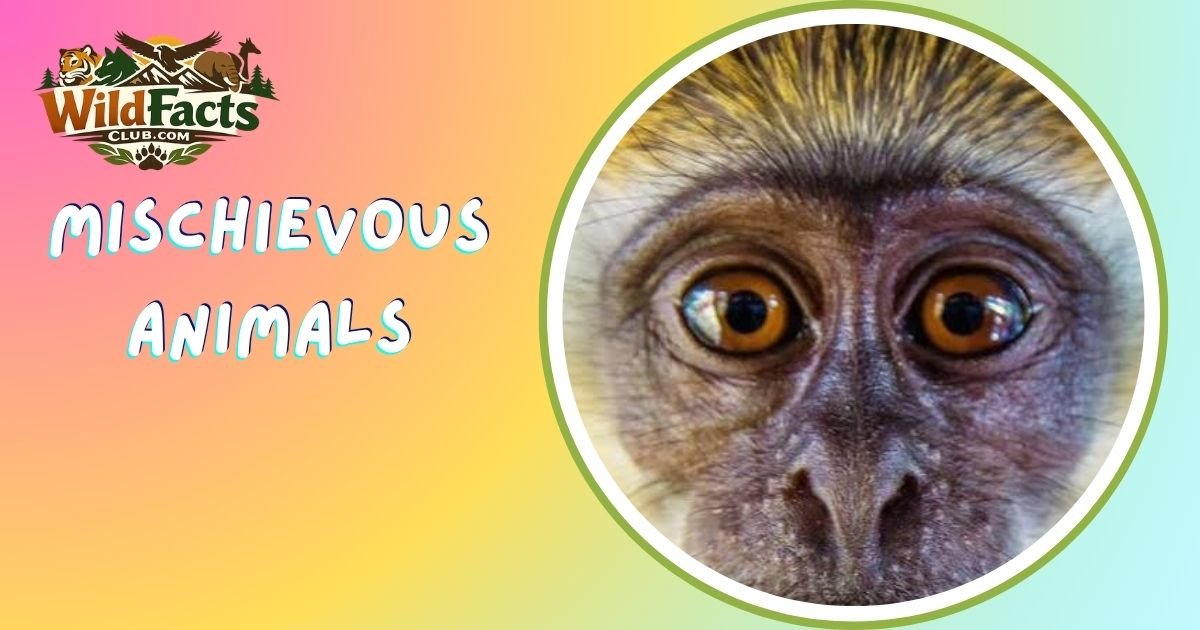
Monkeys are among the most recognizable mischievous animals because of their curiosity and intelligence. They may grab food from visitors, snatch unattended belongings, or climb into unexpected places. Their quick movements and problem-solving abilities often make their behavior amusing to observe.
Monkeys also enjoy playing with members of their groups, chasing one another, and exploring unfamiliar objects. Although these actions can look funny, wild monkeys should never be encouraged to approach people. Feeding them may create dangerous habits and disturb their natural behavior, so observing them from a safe distance is always best.
Raccoons: Clever Little Thieves
Raccoons are famous for their clever paws, curious nature, and ability to explore places where food might be available. These nocturnal mammals sometimes open garbage containers, investigate gardens, and enter unsecured sheds. Their dexterous front paws help them manipulate objects and search for interesting discoveries. Because raccoons are highly adaptable, they can live near forests, rivers, and urban neighborhoods.
Their activities may seem mischievous, especially when they scatter rubbish while searching for a meal. Keeping bins securely closed and avoiding direct contact with wild raccoons helps prevent conflicts between humans and these resourceful animals.
Squirrels: Tiny Animals with Big Personalities
Squirrels are small, energetic animals known for climbing trees, collecting nuts, and investigating their surroundings. Their mischievous behavior may include stealing bird food, digging in flowerpots, and hiding snacks in unexpected locations. They frequently bury nuts to save food for later, although they sometimes forget where they placed them.
Squirrels also chase each other along branches and leap between trees with impressive agility. Watching their energetic movements can be entertaining for nature lovers. However, squirrels are wild animals, and allowing them to feed naturally rather than depending on people helps maintain their independence and healthy habits.
Foxes: Curious and Resourceful Animals
Foxes are intelligent wild animals that often demonstrate curiosity and adaptability. They investigate unfamiliar smells, explore gardens, and search for food in different environments. Their playful movements, quick reactions, and ability to solve simple problems can make them appear mischievous. Some foxes may carry away shoes or investigate outdoor equipment, particularly when an object attracts their attention.
Foxes generally prefer avoiding humans, although they may visit neighborhoods when food is readily available. Securing rubbish and protecting small domestic animals can reduce unwanted encounters. Their clever behavior demonstrates how wildlife adapts to changing environments while following natural survival instincts.
Dogs: Playful and Naughty Best Friends
Dogs are popular companions because of their loyalty, affection, and playful personalities. Many dogs develop mischievous habits, such as chewing slippers, stealing socks, digging holes, or running away with household objects. Puppies are especially curious because they explore their surroundings using their mouths, noses, and paws.
Regular exercise, interactive toys, and positive training can help direct their energy toward appropriate activities. Instead of punishing a dog for every playful mistake, owners should teach clear boundaries and reward desirable behavior. With patience and consistent care, a mischievous dog can become a well-behaved and happy family companion.
Cats: Masters of Sneaky Mischief
Cats are independent animals with curious minds and impressive agility. They may knock objects off tables, hide inside boxes, climb curtains, or suddenly chase imaginary targets around the house. These behaviors often reflect natural hunting instincts, a desire for exploration, or a need for stimulation.
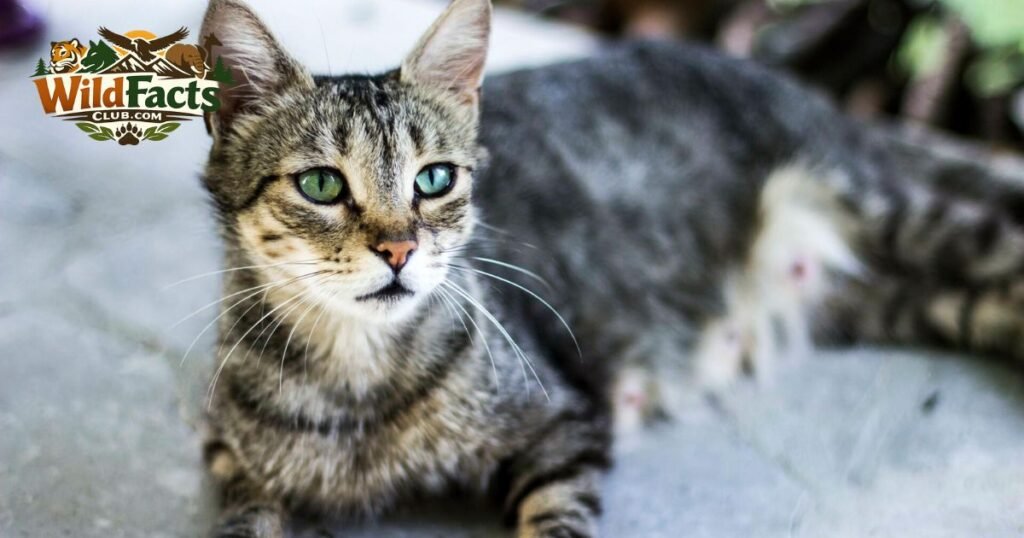
Cats also enjoy investigating bags, cupboards, and unfamiliar household items. Providing scratching posts, climbing shelves, and interactive toys can reduce unwanted behavior while keeping cats mentally active. Although their mischievous habits sometimes frustrate owners, they are usually a normal part of feline behavior. A stimulating environment helps cats remain active, confident, and entertained.
Read More: Clumsy Animals: A Fascinating List of Surprisingly Awkward Animals
Otters: Playful Water Lovers
Otters are fascinating aquatic mammals known for their playful movements and social behavior. They swim gracefully, dive underwater, and sometimes chase one another through rivers or coastal waters. Some otter species use objects during play, while others demonstrate interesting problem-solving skills when searching for food.
Their energetic activities can make them appear like mischievous entertainers of the animal kingdom. However, otters are wild predators with specific dietary and environmental needs. They should not be treated as ordinary household pets. Protecting clean waterways and natural habitats allows these remarkable animals to continue displaying their playful behavior in the wild.
Parrots: Intelligent Birds That Love Attention
Parrots are intelligent birds famous for their colorful feathers, impressive vocal abilities, and curiosity. Some parrots imitate human sounds, investigate household objects, and deliberately repeat actions that attract attention. They may also open containers, chew furniture, or throw toys when bored.
These behaviors can appear mischievous, but they often reflect intelligence and a need for mental stimulation. Pet parrots benefit from safe toys, regular interaction, nutritious food, and enough space to move. Their owners should also protect them from unsafe household materials. With suitable care, parrots can express their natural curiosity without developing destructive habits.
Goats: Curious Climbers and Explorers
Goats are adventurous farm animals that enjoy climbing, investigating objects, and exploring their surroundings. They may nibble on clothing, push against gates, or investigate containers while searching for something interesting to eat. Their curiosity and climbing abilities sometimes lead them into places that farmers would prefer they avoid. Goats also interact socially, playing and competing with members of their herd.
Despite their reputation for eating almost anything, goats need a balanced diet rather than random household objects. Strong fencing, appropriate feeding, and an enriched environment help keep these lively animals safe while allowing them to express their natural behaviors.
Crows: Clever Birds with Curious Minds
Crows are among the world’s most intelligent birds. They can solve certain problems, recognize familiar people, and learn from their experiences. Their curiosity sometimes leads them to investigate shiny objects, open accessible food containers, or explore items left outdoors. Some crow species have also demonstrated tool use, showing how flexible their problem-solving abilities can be.
These behaviors may look mischievous, but they reveal sophisticated learning and adaptation. Crows play important ecological roles by eating insects, scavenging food, and spreading seeds in some environments. Observing them without disturbing their nests helps people appreciate these remarkable wild birds.
Why Are Mischievous Animals So Intelligent?
Many mischievous animals attract attention because their behavior demonstrates curiosity, learning, and problem-solving. Monkeys, raccoons, parrots, and crows can investigate objects and discover ways to obtain food or reach interesting places. Play also helps young animals develop physical coordination and social skills.
Mischief does not always indicate exceptional intelligence. Some behaviors result from instinct, boredom, hunger, or ordinary exploration. Scientists study these actions to understand animal cognition and communication. By observing animals, researchers can learn how different species respond to challenges, adapt to changing surroundings, and develop strategies for survival.
How Mischievous Animals Interact with Humans
Mischievous animals can create entertaining experiences, particularly when they live near human communities or share homes as pets. Dogs may steal household objects, cats may investigate cupboards, and wild raccoons may search unsecured rubbish bins. These encounters can also create practical problems, including property damage and unwanted contact with wildlife.
People can reduce conflicts by storing food securely, supervising pets, and avoiding direct interaction with unfamiliar wild animals. Respecting animal boundaries is essential because even playful behavior can result in bites or scratches. Responsible interactions allow humans to appreciate animal curiosity without putting themselves or wildlife at unnecessary risk.
Can Mischievous Animals Make Good Pets?
Some animals with mischievous personalities, including dogs, cats, and certain domesticated birds, can make wonderful companions when you understand their needs. However, their playful behavior requires patience, training, enrichment, and appropriate veterinary care. Wild animals such as raccoons, foxes, monkeys, and otters generally have complex needs that ordinary households cannot easily meet.
Keeping these species may also be restricted by local laws. Before choosing a pet, people should research its diet, space requirements, social needs, and expected lifespan. Responsible ownership means choosing a suitable domesticated animal rather than removing wildlife from its natural habitat.
How to Manage Mischievous Pet Behavior
Managing mischievous behavior begins with understanding why an animal acts a certain way. Dogs that chew furniture may need more exercise or appropriate chew toys, while cats that scratch sofas may benefit from scratching posts. Birds often require stimulating toys and regular opportunities for safe interaction.
Positive reinforcement can encourage desirable habits more effectively than frightening or hurting an animal. Owners should also remove dangerous objects, establish consistent routines, and provide suitable places for play. When unusual behavior appears suddenly or becomes excessive, veterinary advice may be helpful. A safe, stimulating environment supports healthier behavior and a stronger bond between pets and their owners.
Interesting Facts About Mischievous Animals
Mischievous animals display a remarkable variety of behaviors. Squirrels bury nuts for future use, crows can use tools, and parrots may imitate sounds they hear frequently. Some monkeys learn by watching other members of their groups, while dogs can develop routines that help them obtain attention from their owners.
Cats often explore small spaces because enclosed areas can provide security and opportunities for observation. These behaviors have different explanations, depending on the species and situation. Learning about them shows that animal actions are more complex than they first appear and that curiosity plays an important role in many animals’ lives.
Final Words
Mischievous animals bring excitement, humor, and curiosity into our understanding of nature. From clever raccoons and playful monkeys to energetic dogs and curious cats, each species displays distinctive behaviors shaped by instinct, learning, and its environment. Although their activities sometimes create challenges, they also provide opportunities to learn about intelligence, communication, and adaptation.
The best way to appreciate mischievous animals is to respect their needs, protect their habitats, and encourage responsible interactions. Whether observed in the wild or enjoyed as suitable household companions, these fascinating creatures remind us that the animal kingdom is full of surprises.
FAQs
Are Mischievous Animals Intelligent?
Yes, many mischievous animals are highly intelligent. Monkeys, dolphins, crows, and raccoons can solve problems, learn from experience, and use creative ways to achieve their goals.
Why Do Animals Behave Mischievously?
Animals may behave mischievously because of curiosity, playfulness, boredom, social interaction, or the desire to find food and explore their surroundings.
Which Animals Are Considered The Most Mischievous?
Monkeys, raccoons, foxes, dolphins, crows, and otters are often considered mischievous because of their intelligence, curiosity, and playful behavior.