Ugly Animals: 25 Strange-Looking Animals That Are Surprisingly Interesting
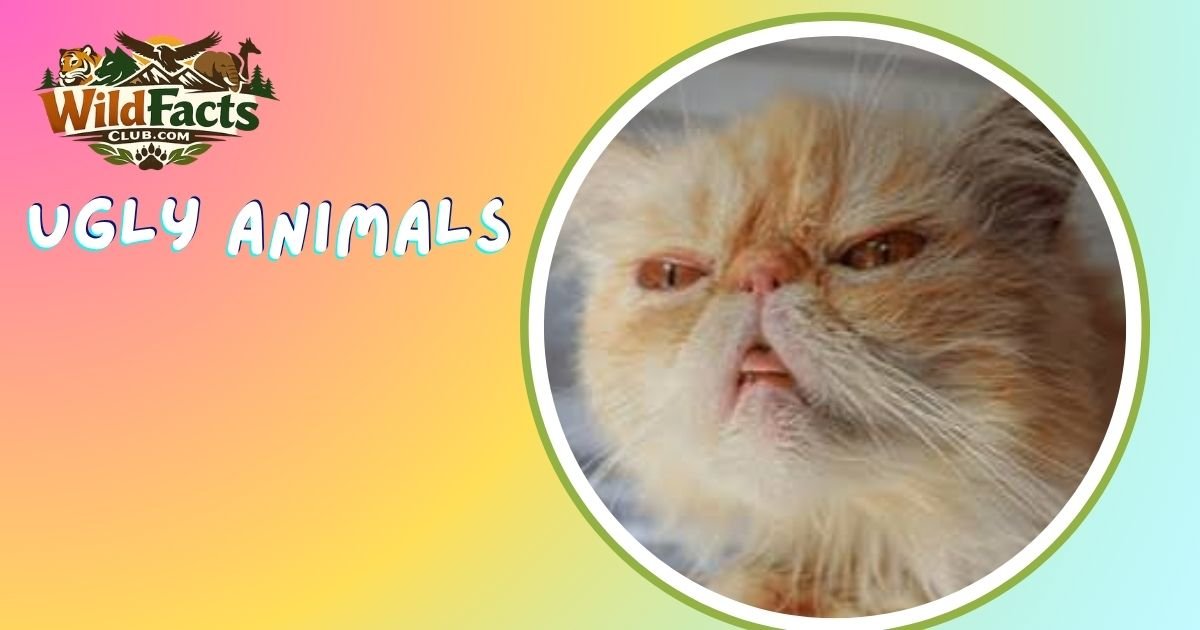
Animals come in many shapes, sizes, and colors. While some are famous for their beauty, others have unusual features that people may describe as unattractive or strange. These ugly animals often have unique adaptations that help them survive in difficult environments.
From wrinkled faces and oversized noses to unusual teeth and strange body shapes, these creatures show how diverse nature can be. In this article, we explore some of the world’s most unusual-looking animals and explain what makes each one special.
What Are Ugly Animals?
The term ugly animals is subjective because beauty depends on personal opinion and cultural preferences. An animal that looks strange to one person may appear fascinating to another. Many animals considered unattractive have evolved their unusual appearances for important reasons, including finding food, attracting mates, surviving predators, or living in challenging habitats.
Their physical features are usually perfectly suited to their environment. Instead of judging them by appearance, looking at their adaptations can make these creatures much more interesting and memorable.
Blobfish
The blobfish is often described as one of the world’s ugliest animals because of its unusual appearance when brought to the surface. It has a soft, gelatinous body and a large-looking face. its famous appearance is partly caused by the enormous pressure difference between its deep-sea habitat and the surface. Blobfish normally live at great depths where pressure is extremely high. Their soft bodies allow them to survive in this environment while requiring very little energy to move around.
Naked Mole Rat
The naked mole rat has a wrinkled, nearly hairless body and large front teeth that make it look unusual. It lives underground in colonies in parts of East Africa and spends much of its life digging tunnels. Its powerful incisors are especially useful because the animal can use them to excavate soil. Naked mole rats also have specialized adaptations for living in underground environments. Although their appearance may seem strange, their body structure is highly effective for their lifestyle beneath the ground.
Aye-Aye
The aye-aye is a strange-looking lemur found in Madagascar. It has large eyes, oversized ears, long fingers, and prominent front teeth. Its most distinctive feature is an extremely thin middle finger, which it uses to locate and extract insects from trees. The aye-aye taps on wood and listens for signs of insects hidden inside. It then gnaws through the bark and uses its finger to pull out prey. Its unusual appearance is closely connected to its specialized feeding behavior.
Star-Nosed Mole
The star-nosed mole has one of the strangest noses in the animal world. Around its nose are numerous small, fleshy tentacles that form a star-like shape. These sensitive structures help the mole detect food and navigate its environment. Star-nosed moles live in wet habitats and are excellent swimmers compared with many other mole species. Their unusual facial structure is not simply an odd feature; it provides an important sensory advantage. This makes the animal an excellent example of specialized evolution.
Read More: 20+ Thickest Skin Animal: Animals With Extremely Thick Skin
Proboscis Monkey
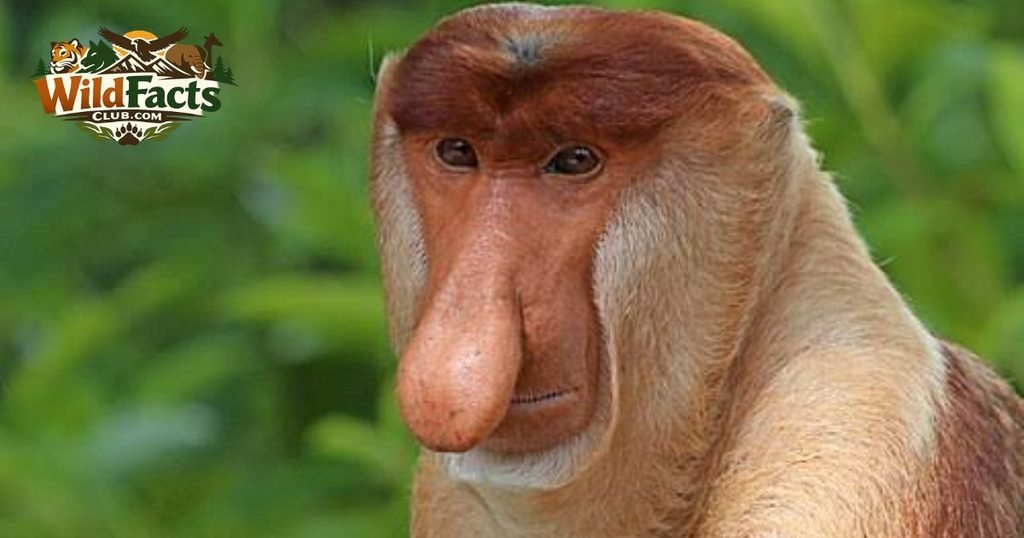
The proboscis monkey is famous for its unusually large, hanging nose. Males generally have much larger noses than females, and the nose is thought to play a role in communication and attracting mates. These monkeys live mainly in mangrove forests, wetlands, and riverine habitats on the island of Borneo. They are also strong swimmers and can move through water when escaping danger. Although their appearance may seem unusual, their large noses are among their most recognizable biological characteristics.
Warthog
The warthog has a broad face, large tusks, rough skin, and noticeable facial growths called warts. These features give it a rugged appearance. Warthogs are members of the pig family and are commonly found in grasslands and savannas of Africa. Their tusks can be used for defense, while their strong snouts help them search for roots and other foods. Warthogs often kneel while feeding, using their powerful noses and tusks to investigate soil and vegetation.
Monkfish
Monkfish are marine predators with large heads, wide mouths, and sharp teeth. Their bodies can look particularly unusual because much of their shape is adapted for life near the seafloor. Monkfish often remain partially buried while waiting for prey. Some species have structures that help lure prey close to their mouths. Their strange appearance demonstrates how ocean animals can develop body shapes very different from familiar land animals. Their large mouths are especially useful for capturing prey in their underwater environment.
Goblin Shark
The goblin shark has a long, flattened snout and a jaw that can extend dramatically forward. It is a deep-sea shark found in different parts of the world’s oceans. Its unusual jaw lets it capture prey quickly when an opportunity arises. The goblin shark’s body is often pinkish or grayish, and its appearance is very different from the classic image of a shark. Because it lives in deep water, humans rarely encounter it in its natural environment.
Turkey Vulture
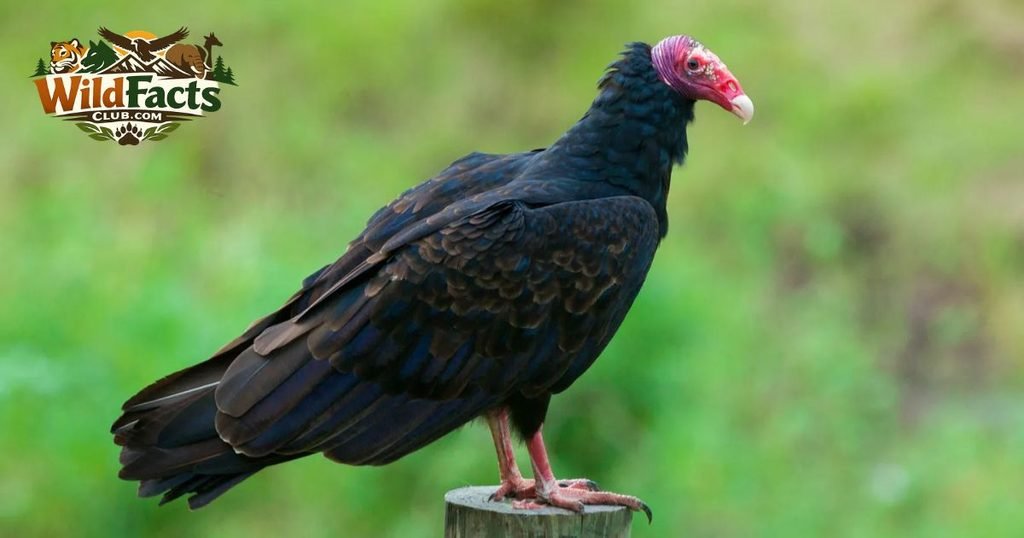
The turkey vulture has a featherless red head that may look unusual compared with birds with fully feathered faces. This feature has an important practical purpose. Turkey vultures feed largely on carrion, so a bare head makes cleaning easier after feeding. They have an excellent sense of smell that helps them locate food. These birds play an important ecological role by consuming dead animals and helping return nutrients to ecosystems.
Marabou Stork
The marabou stork is a very large bird with long legs, a bare head, a large bill, and a loose throat pouch. Its appearance can seem intimidating or unattractive, but its body is well adapted to its feeding habits. Marabou storks often eat carrion and waste, helping clean their surroundings. Their large wings also allow them to soar efficiently. Like many scavenging birds, their unusual appearance is connected to their role in the ecosystem.
Hyena
Hyenas have powerful jaws, sloping backs, large ears, and strong bodies. Their appearance is sometimes misunderstood because of their unusual proportions and reputation as scavengers. In reality, several hyena species are skilled hunters, and spotted hyenas can live in highly organized social groups. Their strong teeth and jaws allow them to process tough food, including bones. Their physical structure gives them impressive endurance and feeding abilities, making them important predators and scavengers in African ecosystems.
Naked Bat
Several bat species have unusual facial structures, and naked bats can look particularly strange because of their hairless or lightly furred appearance. Their unusual faces and ears can help them interact with their surroundings. Bats have evolved many specialized adaptations, including echolocation in numerous species. Their appearance should not be confused with poor health because hairlessness or unusual facial features can be natural characteristics of particular species. Bats are also important pollinators, seed dispersers, and insect predators.
Chinese Crested Dog
The Chinese Crested is a domestic dog breed known for its unusual appearance. The hairless variety has smooth skin with tufts of hair around the head, feet, and tail. Some people consider its appearance unusual, while others appreciate its distinctive look. Like all dog breeds, individual animals can have different personalities and temperaments. The breed’s appearance results from inherited genetic characteristics developed through selective breeding. Its unique coat pattern makes it one of the more recognizable dog breeds.
Vulture
Vultures are often considered unattractive because several species have featherless heads, hooked bills, and unusual neck structures. these features are highly useful for scavenging. Vultures can feed on dead animals that might otherwise spread disease or attract large numbers of pests. Their powerful digestive systems allow them to consume carrion efficiently. By removing animal remains from the environment, vultures provide an important natural cleaning service and contribute significantly to healthy ecosystems.
Axolotl
The axolotl is an aquatic salamander with a broad head, small eyes, and feathery external gills. Its appearance is unusual but also one of the reasons it has become popular in scientific research and as a captive animal. Axolotls can regenerate certain body tissues, making them especially interesting to researchers. They naturally occur in freshwater habitats in Mexico. Their permanent aquatic juvenile-like characteristics are a result of a biological process called neoteny.
Horseshoe Bat
Horseshoe bats have distinctive horseshoe-shaped structures around their noses. These structures help direct their echolocation calls and are an important part of how they navigate and hunt. Their unusual facial features can make them look strange when compared with familiar mammals. They are nocturnal animals that use sound to detect objects and prey in darkness. Their appearance shows how specialized sensory systems can influence the shape of an animal’s face.
Elephant Seal
Male elephant seals have large bodies and prominent inflatable noses that give them a remarkable appearance. The nose is especially developed in adult males and can amplify their vocalizations. Elephant seals spend significant amounts of time in the ocean but return to land for breeding and resting. Their huge size and unusual noses can make them appear intimidating. These features are connected to their reproductive behavior and communication, showing that appearance can serve important biological functions.
Secretary Bird
The secretary bird is a tall African bird with long legs, a crest of feathers, and a distinctive appearance. While it may not fit traditional ideas of an ugly animal, its unusual body shape can certainly look strange. It spends considerable time walking across open landscapes rather than constantly flying. Secretary birds are known for hunting small animals and can use their powerful legs to strike prey. Their long legs and body structure are well suited to life on the ground.
Lowland Streaked Tenrec
The lowland streaked tenrec is a small mammal from Madagascar with a spiny body and striking markings. It resembles a mixture of several familiar animals, which contributes to its unusual appearance. Its spines provide protection, while its markings may help with communication or recognition. Tenrecs are an interesting group because Madagascar is home to many species with distinctive adaptations. Their strange appearance reflects the unique evolutionary history of the island.
Anglerfish
The anglerfish is one of the most famous examples of a strange-looking deep-sea animal. Many species have enormous mouths, sharp teeth, and unusual body shapes. Some deep-sea anglerfish possess a bioluminescent structure called an esca that helps attract prey in dark waters. Their bodies are adapted to environments where food can be scarce. Instead of swimming constantly in search of prey, they can use specialized features to increase their chances of capturing animals that come nearby.
Tarsier
The tarsier has extremely large eyes compared with its small body, giving it a distinctive appearance. It is a small primate found in parts of Southeast Asia. Its enormous eyes help it see in low-light conditions because tarsiers are primarily nocturnal. They also have long fingers and powerful hind limbs that help them leap between branches. Their unusual proportions are excellent examples of how physical features can develop to match a particular lifestyle and environment.
Patagonian Mara
The Patagonian mara looks somewhat like a mixture of a rabbit and a small deer because of its long legs, large ears, and compact body. It is actually a rodent native to Argentina. Maras live in open habitats and can move quickly across the ground. Their unusual appearance demonstrates the diversity of the rodent family. Although they may look strange at first glance, their body structure helps them survive in the dry and open environments where they live.
Why Do Some Animals Look Strange?
Animals can develop unusual physical characteristics through evolution because those characteristics may provide survival advantages. A long nose, unusual teeth, large ears, bare skin, or strange body shape can help an animal find food, communicate, reproduce, avoid predators, or survive extreme environments. Human ideas about beauty are not biological rules. What appears unattractive to people may be essential to an animal’s survival. Studying these characteristics helps scientists understand how species adapt to different ecological conditions over generations.
Are Ugly Animals Important to Ecosystems?
Yes, animals with unusual appearances can play essential ecological roles. Vultures and marabou storks consume carrion, while bats can control insect populations and pollinate plants. Hyenas help regulate prey populations and consume animal remains. Even strange-looking deep-sea creatures contribute to complex marine food webs. Every species occupies a particular ecological niche. Removing a species can affect other organisms and alter ecosystem processes. Appearance has little connection to ecological importance, and many unusual animals perform valuable functions in nature.
Why Should We Protect Ugly Animals?
Conservation efforts often focus on famous or visually appealing animals, but less attractive or unusual species also deserve attention. Every species contributes to biodiversity and represents a unique evolutionary history. Some strange-looking animals may already face habitat loss, pollution, climate change, hunting, or other threats. Protecting habitats and maintaining healthy ecosystems can benefit many species at the same time. Learning about unusual animals can also encourage people to appreciate biodiversity beyond familiar and traditionally attractive creatures.
Final Words
The world of ugly animals is filled with fascinating creatures that challenge our ideas about beauty. From the blobfish and aye-aye to the star-nosed mole and goblin shark, these animals have features that may appear strange but often serve important purposes. Their unusual bodies help them survive, find food, communicate, and reproduce.
Instead of judging animals only by appearance, we can appreciate the remarkable adaptations that make every species unique. Nature does not follow human beauty standards, and that diversity is one of the most interesting parts of the natural world.
FAQs
What Is The Ugliest Animal In The World?
The blobfish is often described as one of the ugliest animals in the world because of its unusual face and soft, drooping body. Its appearance changes significantly when it is brought to the surface from deep water.
What Are Some Examples Of Ugly Animals?
Some commonly described unusual-looking animals include the blobfish, aye-aye, naked mole rat, star-nosed mole, proboscis monkey, goblin shark, warthog, and anglerfish. Their strange features usually have important survival functions.
Why Do Some Animals Look Ugly?
Animals may look unusual because their physical features have evolved for survival. Large teeth, unusual noses, hairless skin, wrinkles, or strange body shapes can help animals find food, communicate, defend themselves, or survive in specific environments.