Cleanest Animal in the World: Discover Nature’s Most Hygienic Animals
When people think about clean animals, they may imagine pets that regularly groom themselves or wild animals that carefully maintain their bodies. In nature, cleanliness is not simply about looking attractive. Grooming and hygiene can help animals remove dirt, parasites, dead skin, excess oil, food particles, and harmful organisms from their bodies. For this reason, many animals have developed fascinating cleaning behaviors.
The question of the cleanest animal in the world does not have one scientifically official answer because animals can be considered “clean” in different ways. Some are excellent at grooming themselves, while others keep their living spaces remarkably tidy. Certain animals even work together to clean one another.
Cats, pigs, ants, birds, dolphins, and several other animals demonstrate impressive hygiene habits. In this article, we will explore some of the world’s cleanest animals, how they keep themselves clean, and why hygiene is important for survival.
What Makes an Animal Clean?
Before identifying the cleanest animal in the world, it is important to understand what “clean” means in the animal kingdom. Humans often judge cleanliness based on appearance, smell, and personal hygiene. Animals do not think about cleanliness in the same way. Their grooming behaviors usually have practical biological purposes.
- Remove parasites
- Get rid of dirt and debris
- Keep its fur or feathers in good condition
- Prevent skin problems
- Maintain body temperature
- Remove unpleasant smells
- Keep wounds cleaner
- Improve sensory abilities
- Strengthen social relationships
List Of Cleanest Animal in the World
- Cats
- Pigs
- Birds
- Parrots
- Ants
- Dolphins
- Horse
- Rabbits
- Dogs
Cats: Famous for Their Grooming Habits
Cats are among the strongest candidates for the title of cleanest animal in the world. Domestic cats spend a significant portion of their waking time grooming themselves. A cat uses its rough tongue to remove loose hair, dirt, and debris from its fur. Its tongue contains tiny structures that help it work through the coat.
Grooming also helps distribute natural oils across the fur. These oils contribute to the health and condition of the coat. Cats can reach many parts of their bodies while grooming. They carefully clean their paws, legs, chest, stomach, and other areas.
Why Do Cats Groom So Much?
Grooming serves several purposes. It helps cats maintain their coats and may help reduce parasites. It also provides a way to regulate body temperature because saliva placed on the fur can evaporate.
Cats also groom themselves as part of their normal behavior, which can be calming. Mother cats groom their kittens, helping them stay clean and encouraging important early behaviors. Kittens gradually learn grooming by observing and interacting with their mothers.
Pigs: Surprisingly Clean Animals
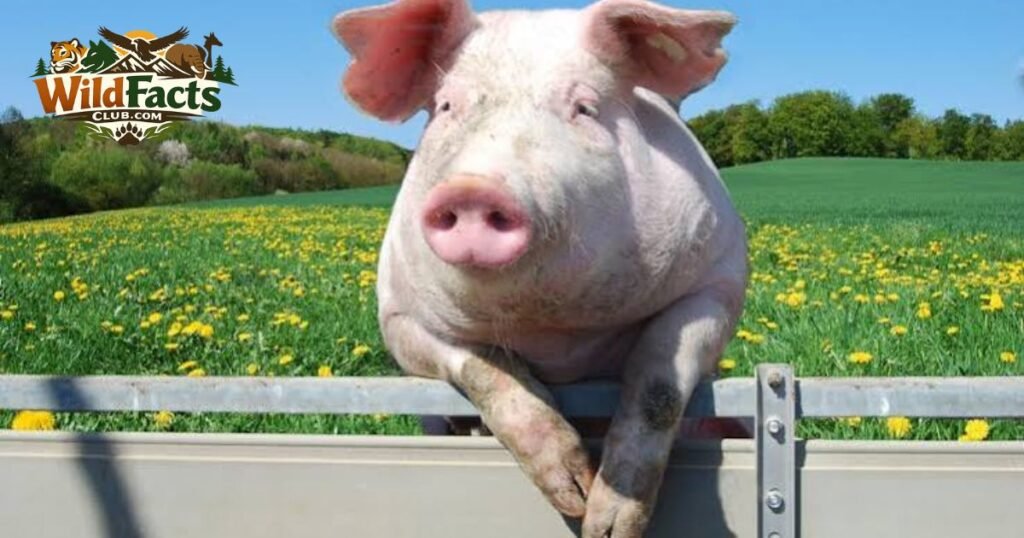
Many people assume pigs are dirty animals because they are often associated with mud. In reality, pigs can be surprisingly clean. Pigs may use mud for practical reasons rather than because they enjoy being dirty. Pigs have limited ability to sweat, so wallowing in mud can help them cool their bodies. Mud can also provide some protection from sunlight and insects.
When given enough space and suitable living conditions, pigs often avoid defecating near their sleeping and feeding areas. This behavior demonstrates that their natural habits are more organized than their reputation suggests. Pigs use their intelligence to interact with their environment, and their behavior can vary significantly depending on how they are housed and cared for.
Birds: Masters of Feather Maintenance
Birds are another group of animals with impressive hygiene routines. Their feathers are essential for flight, insulation, protection, and communication, so maintaining them is extremely important. Birds regularly preen their feathers. During preening, a bird uses its beak to arrange feathers, remove dirt and parasites, and maintain the structure of the plumage.
Some birds also use special oils produced by glands near the base of their tails. These oils can help condition feathers. Feather maintenance is especially important for flying birds. Damaged or poorly maintained feathers can interfere with efficient flight.
Parrots and Social Grooming
Parrots are particularly interesting because grooming can be both a personal and social activity. Parrots may spend considerable time cleaning their feathers. They also groom members of their social group. This behavior is known as allopreening.
It helps birds clean areas that may be difficult to reach on their own, especially around the head and neck. Social grooming can also strengthen relationships between birds. Therefore, cleanliness and social bonding can be connected.
Ants: Tiny Hygiene Experts
Ants may be small, but their colonies demonstrate sophisticated hygiene behaviors. Ants groom themselves and one another. This can help remove harmful microorganisms, dirt, and parasites. Because ants live in large colonies, disease can spread rapidly if hygiene is poor.
Their cleaning behaviors, therefore, play an important role in colony survival. Some ants also manage waste within their nests. Different areas may be used for waste disposal, helping keep important parts of the colony cleaner. This is a remarkable example of how social animals can cooperate to maintain hygiene.
Dolphins: Clean Marine Mammals
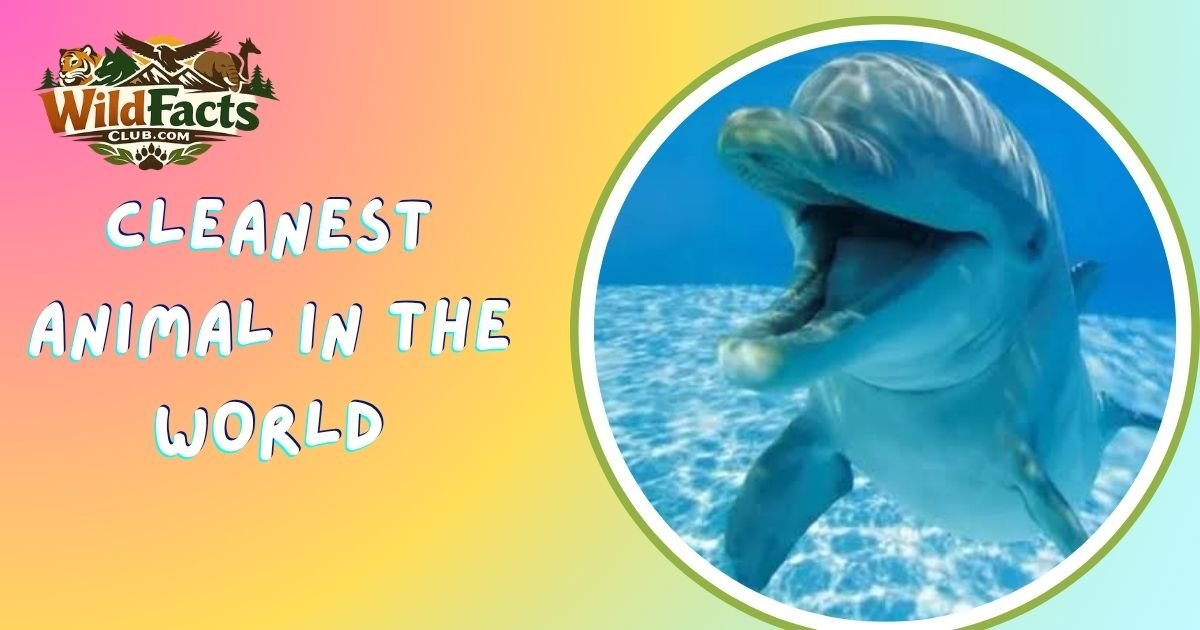
Dolphins live in water, but that does not mean they do not need grooming. Their skin is continuously exposed to the aquatic environment, and they have behaviors that help maintain their bodies. Dolphins have smooth skin that is regularly renewed. Their streamlined bodies reduce resistance while swimming.
Dolphins also interact socially and may rub against one another. Such physical contact can have social and grooming functions. Because dolphins are highly social and intelligent animals, their hygiene behaviors can be part of broader social interactions.
Horses: Regular Grooming Is Essential
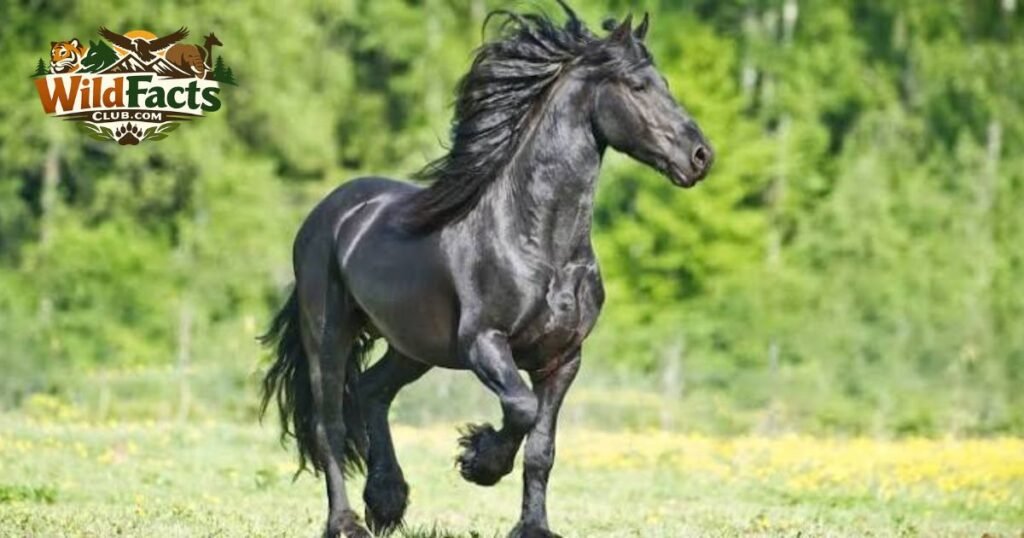
Horses are naturally interested in maintaining their bodies. They may roll, scratch, rub against objects, and groom one another. Horses often engage in mutual grooming, especially around areas that are difficult for one animal to reach alone.
Domestic horses also receive human grooming. Brushing can remove dirt, loose hair, and debris while allowing owners to inspect the skin and coat. Good grooming is particularly important for working and riding horses because it helps people identify injuries, skin irritation, or other problems.
Rabbits: Extremely Dedicated Groomers
Rabbits are known for spending a great deal of time grooming themselves. A rabbit uses its tongue and paws to maintain its fur. Grooming helps remove dirt and loose hair. Rabbits also groom one another.
In social groups, mutual grooming can strengthen relationships and help keep hard-to-reach areas clean. Rabbits can ingest loose fur while grooming. Their digestive systems are adapted to deal with some swallowed hair, but excessive shedding can still create health concerns in domestic rabbits.
Dogs: Natural Groomers With Different Habits
Dogs also groom themselves, although their grooming habits vary widely between breeds and individuals. Dogs may lick their paws, coat, and other body areas. They may also scratch, shake their bodies, or roll to remove irritating substances. Unlike cats, dogs generally do not spend as much time meticulously grooming their entire bodies. Their cleanliness also depends on their environment, coat type, and care.
Domestic dogs often benefit from regular brushing and bathing when appropriate. However, excessive bathing can sometimes remove natural oils from the skin, so grooming routines should suit the individual animal.
Monkeys and Apes
Many primates engage in extensive grooming behaviors. Grooming is especially important in social groups. Monkeys may carefully pick through another animal’s fur to remove dirt, parasites, or debris. This is called social grooming.
Interestingly, grooming is not only about hygiene. It can strengthen social bonds, reduce tension, and reinforce relationships. In some primate communities, individuals that groom one another regularly may develop stronger social connections.
Why Is Grooming Important?
Grooming is a survival behavior. An animal’s body is constantly exposed to the environment. Dust, parasites, plant material, food particles, and microorganisms can accumulate on skin, fur, or feathers. Regular grooming helps remove some of these materials.
For animals with fur, grooming can also help maintain insulation. For birds, feather maintenance is essential for flight. For many mammals, grooming can help keep skin and hair in good condition. Thus, cleanliness is closely connected to survival.
Grooming and Parasite Control
One major benefit of grooming is parasite removal. Fleas, ticks, mites, and other organisms can live on or around animals. Some parasites feed on blood or skin material and may cause irritation. Animals can reduce parasite loads through scratching, licking, biting, shaking, or mutual grooming. Social grooming is especially useful because one animal can reach areas another animal cannot easily clean.
Animals That Keep Their Homes Clean
Cleanliness is not limited to the body. Some animals also maintain surprisingly organized living spaces. Ant colonies can have specialized areas for waste. Birds may remove waste from nests, particularly when caring for chicks. Some mammals establish separate areas for sleeping and eliminating waste. These behaviors reduce exposure to harmful materials and may help protect young animals.
Is There Really One Cleanest Animal in the World?
There is no universally accepted scientific ranking that identifies one species as the cleanest animal in the world. If cleanliness is measured by the amount of time spent grooming, cats are strong candidates. If social hygiene is considered, ants and primates are fascinating examples. If feather maintenance is the standard, birds are outstanding.
Pigs are also impressive because their natural behavior is much cleaner than popular stereotypes suggest. The best answer depends on how cleanliness is defined. For everyday discussion, cats are often considered among the cleanest animals because of their extensive self-grooming behavior. Many other animals have equally fascinating hygiene adaptations.
Cleanliness and Animal Health
Good grooming can contribute to an animal’s overall well-being. Clean fur can help maintain insulation, while healthy feathers are essential for flight. Grooming can also provide animals with an opportunity to detect changes in their bodies.
An animal may lick, scratch, or investigate an area that feels uncomfortable. For domestic animals, humans can support natural hygiene through appropriate care. This includes providing clean water, suitable shelter, proper nutrition, and species-appropriate grooming.
How Humans Can Help Keep Pets Clean
Pet owners should understand that every species has different grooming requirements. Cats generally groom themselves, but they may still need occasional brushing, especially if they have long hair. Dogs may require brushing, nail care, and occasional bathing depending on their breed and lifestyle.
Rabbits need clean living spaces and regular observation of their fur and skin. Birds require appropriate housing, clean water, and suitable opportunities for normal feather maintenance. The goal should not be to make an animal unnaturally clean. Instead, humans should support the animal’s natural hygiene behaviors.
Interesting Facts About Animal Cleanliness
- Cats can spend a significant portion of their waking time grooming.
- Birds regularly preen their feathers to keep them functional.
- Ants groom themselves and members of their colony.
- Pigs may use mud primarily to cool themselves and protect their skin.
- Horses can groom one another socially.
- Rabbits regularly clean their fur with their tongues and paws.
- Primates use grooming to maintain both hygiene and social relationships.
- Many animals separate sleeping areas from waste areas.
- Grooming can help remove parasites and debris.
- Cleanliness is often an important part of animal survival.
Final Words
The search for the cleanest animal in the world reveals that cleanliness in nature is much more interesting than simply having a spotless appearance. Animals have developed specialized behaviors to maintain their bodies, protect themselves from parasites, care for their young, and strengthen social relationships.
Cats are famous for their remarkable self-grooming habits and are often regarded as one of the cleanest animals. Birds carefully maintain their feathers, ants cooperate to maintain colony hygiene, rabbits groom themselves frequently, and pigs demonstrate surprisingly clean natural behaviors.
There is no single scientifically confirmed winner because animal cleanliness can be measured in many different ways. What is clear is that hygiene plays an important role throughout the animal kingdom.
Whether an animal is licking its fur, preening its feathers, grooming a companion, or maintaining a clean nest, these behaviors demonstrate how intelligently nature has equipped animals to survive. The next time you watch a cat carefully cleaning its paws or see birds arranging their feathers, remember that these simple-looking actions are important biological behaviors.
FAQs
Which Animal Is Considered The Cleanest In The World?
Many people consider pigs to be among the cleanest animals because they naturally keep their sleeping and eating areas separate when given enough space.
Why Do Some Animals Stay Very Clean?
Animals such as cats regularly groom themselves to remove dirt, loose hair, and unwanted particles from their bodies.
Are Cats Cleaner Than Other Animals?
Cats are often regarded as very clean animals because they spend a large amount of time grooming their fur and keeping themselves tidy.
What Makes An Animal Naturally Clean?
Regular grooming, avoiding waste areas, and keeping the body free from dirt are some common behaviors that make an animal appear especially clean.