
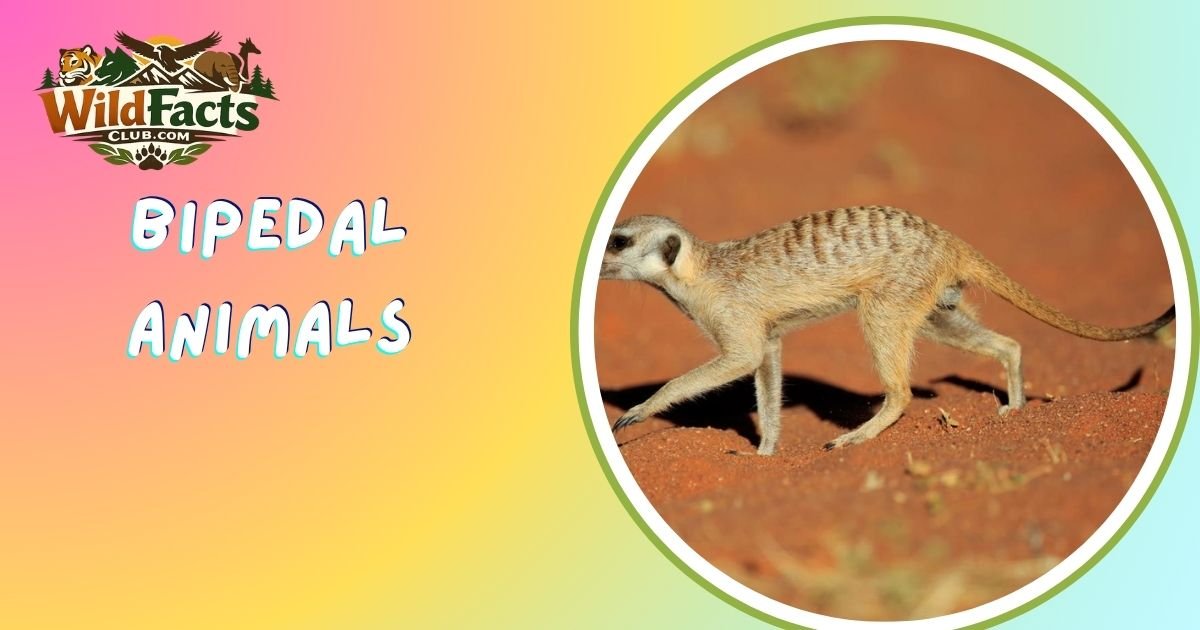
Bipedal Animals: Amazing Animals That Walk on Two Legs
Bipedal animals are animals that use two legs as their primary means of walking, running, jumping, or moving across land. Humans are the most familiar example, but many other species also show bipedal movement. From kangaroos and birds to lizards and primates, different animals have developed two-legged locomotion for different reasons. In this article, we will explore bipedal animals, how they move, and some fascinating examples from nature.
What Are Bipedal Animals?
Bipedal animals are animals that move primarily by using two legs. The word “bipedal” comes from two words meaning two and feet. Unlike quadrupedal animals that normally use four limbs for walking, bipeds support their body with two legs during movement. Some bipedal animals remain on two legs most of the time, while others use two-legged movement only during specific activities such as running, jumping, feeding, or escaping predators.
How Do Bipedal Animals Move?
Bipedal movement requires balance, coordination, strong leg muscles, and body structures suited to supporting weight on two limbs. Animals that walk or run on two legs often have specialized hips, knees, ankles, feet, tails, or body shapes that help them maintain stability. Their movements can include walking, running, hopping, jumping, or short bursts of two-legged motion. Each species has developed its own form of bipedal movement according to its environment and lifestyle.
Kangaroos
Kangaroos are among the most recognizable bipedal animals in the world. They mainly move by hopping on their powerful hind legs, using their large feet and muscular tails for balance. Their long legs allow them to cover considerable distances efficiently. Kangaroos also use their tails as a support when standing or moving slowly. Although they have small forelimbs, their primary method of rapid movement is bipedal hopping, making them an excellent example of specialized two-legged locomotion.
Ostriches
Ostriches are large flightless birds that rely entirely on their powerful legs for movement. They are excellent runners and can travel quickly across open landscapes. Each leg has strong muscles and two toes, helping the bird maintain balance while running. Ostriches use their wings for balance and steering rather than flight. Their long necks and lightweight body structure also contribute to their running ability. Because they naturally walk and run on two legs, ostriches are classic examples of bipedal birds.
Penguins
Penguins are another well-known group of bipedal animals. Their short legs are positioned beneath their bodies, allowing them to stand and walk upright. Penguins often waddle when moving across land because their bodies are adapted primarily for swimming. In water, their flipper-like wings provide most of their propulsion. On ice and rocky surfaces, however, they depend on their two legs. Some penguins also slide across ice on their bellies, but walking remains an important form of terrestrial movement.
Humans
Humans are naturally bipedal mammals and are one of the most specialized examples of two-legged locomotion. Our skeleton has several features that support upright walking, including a curved spine, relatively short arms, long legs, and feet designed to support body weight. Human bipedalism keeps the hands free to carry objects, use tools, and perform other tasks. Unlike many animals that use two legs only occasionally, humans normally walk and run on two legs throughout daily life.
Read More: Animals That Start With U: A Complete Guide
Chimpanzees
Chimpanzees usually move using all four limbs, but they can also walk upright for short periods. They may move bipedally when carrying objects, displaying behavior, crossing certain surfaces, or reaching for food. Their anatomy allows them to stand and move on two legs, although they are not specialized for permanent human-like bipedal walking. Chimpanzees demonstrate how some primates can switch between different forms of locomotion depending on their environment and immediate physical needs.
Gorillas
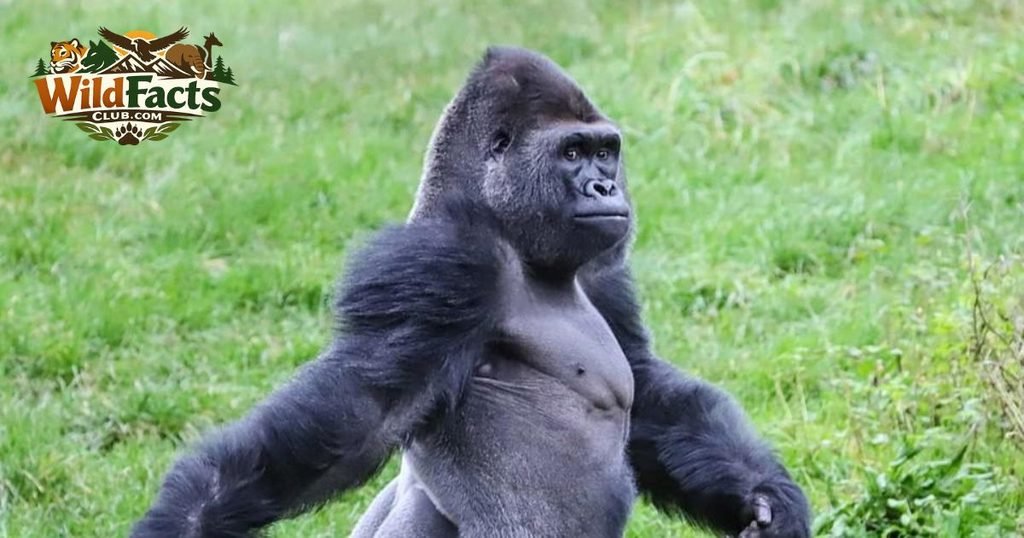
Gorillas are powerful primates that normally use a form of four-limbed movement called knuckle-walking. They can stand upright and walk on two legs for short distances. Bipedal movement may help them reach food, observe their surroundings, carry objects, or communicate through body displays. Their strong legs and large feet provide considerable support when they stand upright. Gorillas therefore provide another interesting example of an animal capable of bipedal movement without being habitually bipedal like humans.
Bears
Bears are generally four-legged animals, but they can stand and walk on their hind legs. A bear may become bipedal when it wants to look over vegetation, investigate something, reach food, or appear larger. Their powerful hind legs allow them to maintain an upright position for short periods. Although bears are not considered permanently bipedal, their ability to move on two legs makes them an interesting example of occasional bipedal locomotion among mammals.
Meerkats
Meerkats are small mammals famous for standing upright on their hind legs while watching their surroundings. They use this position to scan for predators and observe activity around their burrows. Their tails can provide additional support while they remain upright. Meerkats normally move on four legs when traveling, so their bipedal behavior is usually temporary rather than their primary method of locomotion. Their distinctive upright posture is one reason they are commonly associated with two-legged animal movement.
Jerboas
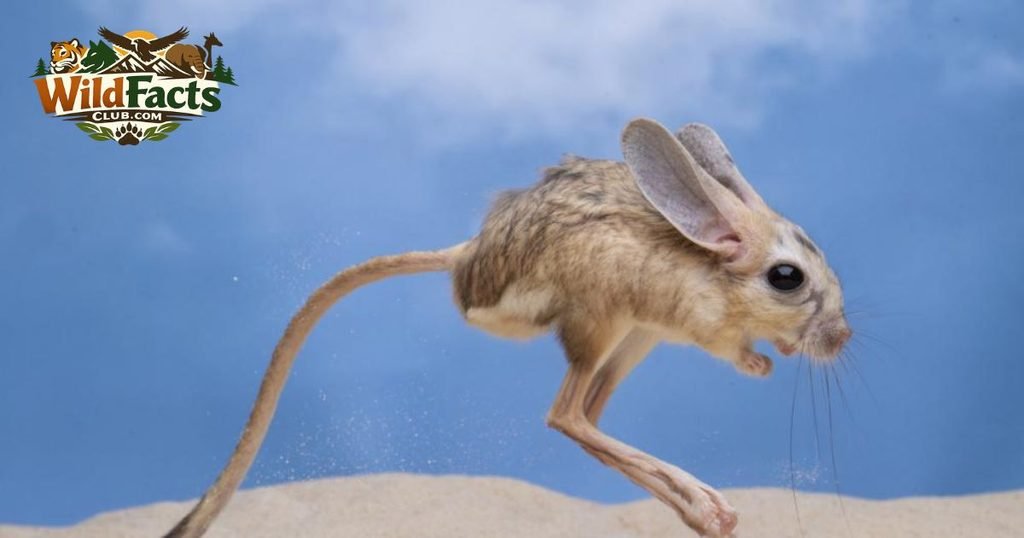
Jerboas are tiny desert rodents with unusually long hind legs and very short front limbs. They use their powerful back legs to hop across sandy and rocky environments. Their hopping style resembles the movement of miniature kangaroos. This specialized form of bipedal locomotion helps jerboas move quickly while avoiding predators and navigating loose desert surfaces. Their large hind feet provide stability during jumps, while their long tails help with balance and direction changes.
Wallabies
Wallabies are close relatives of kangaroos and are also specialized bipedal hoppers. Their large hind legs provide the power needed for jumping, while their strong tails help maintain balance. Different wallaby species live in habitats ranging from forests and grasslands to rocky areas. Their hopping locomotion allows them to travel efficiently and quickly. Although their body sizes vary, the basic structure of their hind limbs makes them excellent examples of mammals adapted to two-legged movement.
Cassowaries
Cassowaries are large flightless birds found mainly in tropical forests of Australia and nearby regions. Like other birds, they naturally move on two legs. Their strong legs allow them to walk through dense vegetation and run when necessary. Cassowaries have three toes on each foot, including a large inner claw. Their powerful legs are useful for movement and defense. Their inability to fly has made strong terrestrial locomotion especially important to their survival in forest environments.
Emus
Emus are large flightless birds that depend on their long, strong legs for walking and running. They can travel across Australian grasslands, woodlands, and other open environments while maintaining an efficient two-legged stride. Their wings are small and cannot provide flight, but they can help with balance and movement. Emus have three toes on each foot, giving them a stable base. Their combination of height, powerful legs, and running ability makes them notable bipedal animals.
Roadrunners
Roadrunners are ground-dwelling birds that spend much of their time walking and running rather than flying. They have long legs and a streamlined body that helps them move quickly across deserts and open landscapes. Roadrunners can chase insects, lizards, and other small prey while running on two legs. Their ability to move rapidly along the ground makes bipedal locomotion an important part of their hunting behavior. They can fly when needed but often prefer terrestrial movement.
Lizards That Walk On Two Legs
Some lizards can temporarily use bipedal locomotion, particularly when running quickly. The common basilisk is a famous example because it can raise its front body and use its hind legs to run across surfaces, including water for short distances. Other lizards may also lift their front limbs during rapid movement. This behavior demonstrates that bipedal locomotion is not limited to mammals and birds. In reptiles, it can provide speed and help animals respond quickly to threats.
Why Did Bipedalism Evolve?
Bipedalism has evolved in different animal groups for different reasons. In some species, using two legs may improve running efficiency, while in others it can help with jumping, feeding, or seeing over vegetation. Birds evolved bipedal movement alongside changes associated with flightless and flying lifestyles. Humans developed highly specialized upright walking, while kangaroos evolved hopping. This shows that there is no single reason for bipedalism; the advantage depends on the animal’s anatomy, habitat, diet, and behavior.
Bipedal Animals Vs Quadrupedal Animals
The main difference between bipedal and quadrupedal animals is the number of limbs primarily used during movement. Bipedal animals use two legs, while quadrupedal animals normally use four. Bipedal movement can leave the front limbs available for feeding, carrying, climbing, or other activities. Quadrupedal movement generally provides greater stability because more limbs contact the ground. However, both forms of locomotion can be highly effective when they are adapted to an animal’s particular environment and lifestyle.
Advantages Of Bipedal Movement
Bipedal movement can provide several advantages depending on the species. Standing upright can give an animal a better view of its surroundings, while running on two legs can provide speed and efficient movement. Freeing the front limbs can also allow animals to carry food, manipulate objects, or perform other tasks. In kangaroos and similar animals, powerful hind legs make hopping an efficient way to travel long distances. These advantages have contributed to the evolution of bipedal movement in different animal groups.
Final Words
Bipedal animals demonstrate the remarkable variety of movement found in the animal kingdom. Some, such as humans and birds, naturally depend on two legs, while others, including bears, gorillas, and chimpanzees, can use bipedal movement for short periods. Kangaroos and jerboas have developed specialized hopping abilities, while birds such as ostriches and emus rely on powerful legs for running. From mammals to reptiles and birds, bipedal animals show how different species can develop unique solutions for moving through their environments.
FAQs
Are Humans Bipedal Animals?
Yes. Humans are bipedal mammals because normal human walking and running involve two legs. Human anatomy has several adaptations that support upright bipedal movement, including specialized feet, hips, legs, and spinal structure.
Which Birds Are Bipedal?
Most birds are naturally bipedal because they use their two legs for walking and running. Examples include ostriches, emus, penguins, cassowaries, roadrunners, chickens, ducks, and many other bird species.
Are Kangaroos Bipedal Animals?
Yes, kangaroos are bipedal animals. They primarily move by hopping on their powerful hind legs. Their long hind limbs and strong tail are specially adapted for balance and efficient movement across Australian landscapes.