
Animals That Eat Mice: A Complete Guide To Mouse-Eating Animals
Mice are small mammals found in forests, grasslands, farms, gardens, deserts, and even human homes. Because they are common and reproduce quickly, they become an important food source for many predators. From snakes and owls to foxes and wild cats, numerous animals depend on mice as part of their diet. Learning about animals that eat mice helps us understand how predators control rodent populations and maintain balance in natural ecosystems.
What Animals Eat Mice?
Many carnivorous and omnivorous animals eat mice when they get the opportunity. Some actively hunt mice, while others eat them whenever they are available. Common animals that eat mice include snakes, owls, hawks, eagles, foxes, wild cats, weasels, coyotes, raccoons, and some larger reptiles.
Mice are relatively small, making them easy prey for many predators. They also spend time searching for seeds, insects, fruits, and plants, which brings them into areas where predators hunt. Their nocturnal behavior also makes them an important food source for nighttime hunters such as owls and snakes.
List Of Animals That Eat Mice
- Snakes
- Owls
- Hawks
- Eagles
- Foxes
- Weasels
- Ferrets
- Coyotes
- Wild Cats
- Domestic Cats
- Raccoons
- Badgers
- Opossums
- Shrews
- Frogs
- Lizards
- Large Spiders
- Crocodilians
Snakes
Snakes are among the best-known animals that eat mice. Many snake species hunt rodents because mice provide a good source of protein and energy. Rat snakes, corn snakes, kingsnakes, and several other species commonly consume mice.
Snakes use different methods to locate their prey. Some rely heavily on smell, while others can detect heat produced by warm-blooded animals. Once a snake catches a mouse, it may swallow the prey whole. Depending on the species, the snake may use constriction before eating its meal.
Owls
Owls are excellent nighttime predators and are especially important in controlling mouse populations. Many owl species hunt mice in fields, forests, farms, and grasslands.
Owls have excellent hearing and vision, allowing them to locate small animals even in darkness. Their silent flight helps them approach prey without making much noise. Once an owl spots a mouse, it can quickly swoop down and capture it with its sharp talons. Because many mice are active at night, owls and mice often encounter each other after sunset.
Eagles
Eagles are powerful birds of prey with excellent eyesight. Although some eagle species primarily hunt larger animals or fish, certain eagles can also eat mice and other small mammals when they are available.
Mice are more likely to be taken by smaller or medium-sized eagle species than by eagles that specialize in larger prey. Their role as predators demonstrates how rodents can become part of food webs at different levels.
Foxes
Foxes are opportunistic hunters and can eat many different foods. Mice are among the small mammals that foxes may hunt, particularly when rodents are abundant.
A fox can locate mice by using its excellent hearing and sense of smell. It may listen carefully for movement beneath vegetation or snow before jumping toward the prey. Foxes also eat insects, birds, rabbits, fruits, and other available foods, so mice are only one part of their varied diet.
Weasels
Weasels are small but highly effective predators. They have long, flexible bodies that allow them to enter narrow spaces where mice may hide. Many weasel species actively hunt small mammals, including mice. Their fast movements and sharp teeth make them effective predators. Because weasels can enter burrows and other hiding places, they may be able to reach mice that larger predators cannot easily catch. Weasels therefore play an important role in controlling small rodent populations in many ecosystems.
Ferrets
Ferrets belong to the mustelid family and are naturally adapted to hunting small animals. Wild relatives of domestic ferrets prey on rodents and other small mammals. Their long bodies and flexible movement allow them to explore tunnels and narrow spaces. In natural environments, related mustelids can hunt mice and other rodents that live in burrows. Domestic ferrets should not be released into the wild, but their natural hunting behavior helps explain why mice are suitable prey for these animals.
Coyotes
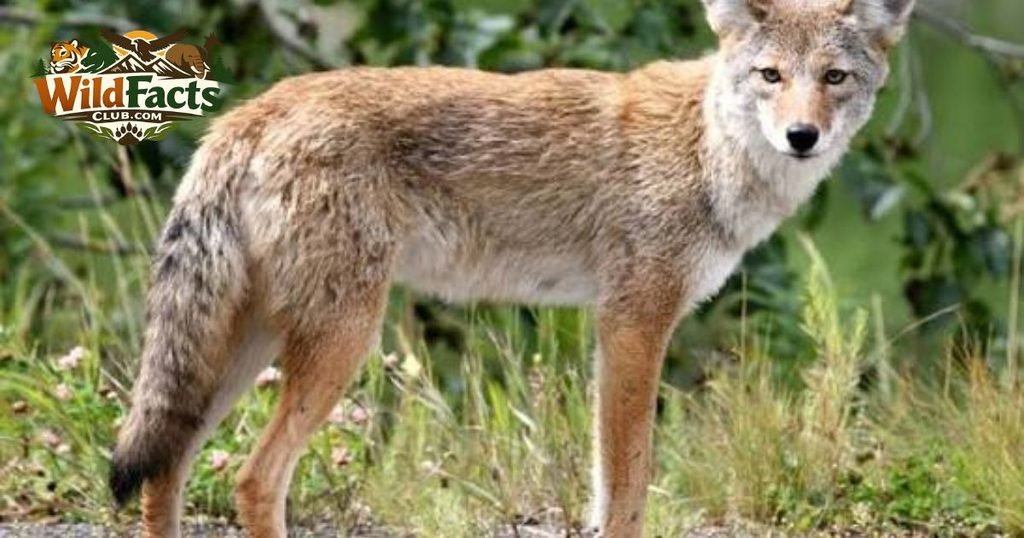
Coyotes are highly adaptable predators that live in a wide variety of environments. Although they can hunt animals much larger than mice, they also eat small mammals when available.
Mice can become an important food source when larger prey is scarce. Coyotes are opportunistic feeders, meaning they can change their diet according to what is available in their environment. This flexibility helps coyotes survive in forests, deserts, grasslands, farmland, and areas near human development.
Wild Cats
Several wild cat species eat mice and other small rodents. Smaller wild cats may depend more heavily on small prey because their size makes larger animals difficult to hunt.
Cats are naturally skilled hunters. Their sharp claws, flexible bodies, excellent hearing, and strong vision help them detect and capture small mammals. Depending on the species and habitat, wild cats may also eat birds, reptiles, insects, rabbits, and other prey.
Domestic Cats
Domestic cats are also well-known animals that eat mice. Cats have retained many hunting behaviors from their wild ancestors. Even well-fed cats may chase and catch mice because hunting is a natural behavior.
A cat can detect a mouse through movement, sound, and smell. It may patiently wait before suddenly pouncing on its prey. However, not every domestic cat will catch or eat mice. Hunting ability and interest vary from one cat to another.
Raccoons
Raccoons are omnivorous animals with a varied diet. They can eat fruits, insects, eggs, fish, small mammals, and other available foods. Mice may become part of their diet when encountered.
Raccoons are highly adaptable and often live close to human settlements. Their ability to eat many types of food allows them to survive in changing environments. Although they are not specialized mouse hunters, raccoons can capture and consume small rodents when the opportunity arises.
Badgers
Badgers are strong mammals that spend considerable time searching for food on or beneath the ground. Depending on the species, their diet may include rodents, insects, birds, reptiles, and other animals.
Their powerful claws help them dig through soil and investigate burrows. This makes them capable of reaching small mammals that hide underground. Mice can therefore become part of a badger’s diet, especially in habitats where rodents are common.
Opossums
Opossums are opportunistic omnivores that eat a broad range of foods. Their diet can include insects, fruits, eggs, small animals, and carrion. Although they are not specialized predators of mice, they may eat mice when they encounter them. Their flexible diet allows them to take advantage of many food sources in forests, fields, and areas near people.
Shrews
Shrews are small mammals that may look similar to mice, but they are actually different animals. Many shrews are active predators that eat insects and other small creatures.
Some larger shrew species can capture small vertebrates, including young rodents. Their fast metabolism means they need to consume food frequently. Shrews are therefore interesting examples of small mammals that can sometimes become predators themselves.
Read More: Animals With Big Eyes: A Fascinating Guide to Nature’s Wide-Eyed Creatures
Frogs
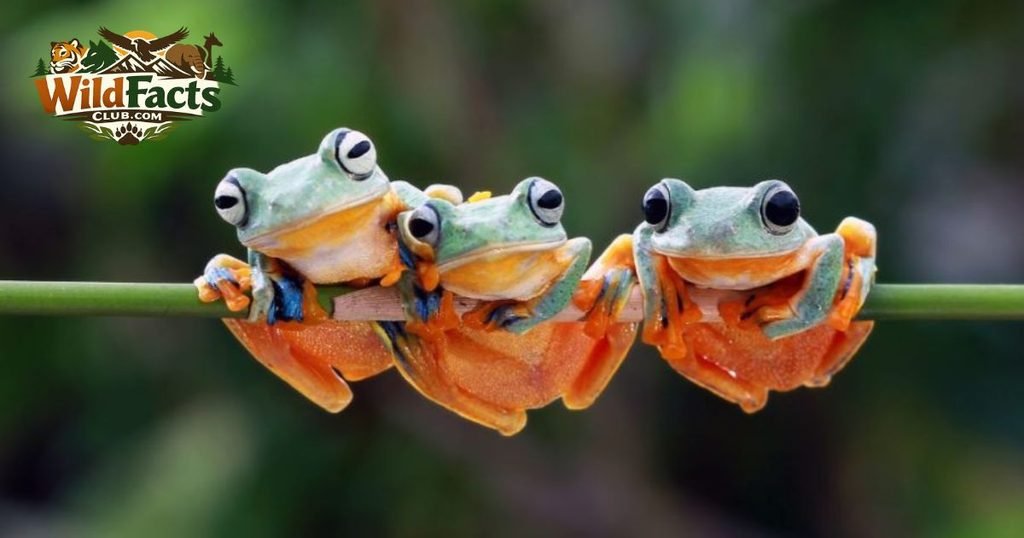
Some large frogs can eat mice and other small vertebrates. Although insects and other invertebrates make up much of the diet of many frogs, larger species can consume surprisingly large prey.
A large frog may sit quietly and wait for an animal to come within range. It can then use its fast-moving tongue and wide mouth to capture the prey. Not all frogs are capable of eating mice. This behavior is mainly associated with larger species.
Animals That Eat Mice On Farms
Farms can provide excellent habitats for mice because crops, grain, stored food, and vegetation provide shelter and nutrition. As a result, farms may attract many mouse predators. Owls, hawks, snakes, foxes, weasels, and cats can all help reduce mouse populations naturally.
Farmers may encourage suitable wildlife habitats because natural predators can become part of an integrated approach to rodent management. Predators alone may not completely control a serious infestation. Proper sanitation, food storage, exclusion, and other responsible management methods may also be necessary.
Final Words
There are many animals that eat mice, including snakes, owls, hawks, eagles, foxes, weasels, ferrets, coyotes, wild cats, domestic cats, raccoons, badgers, opossums, frogs, and large lizards. Some are specialized hunters, while others eat mice opportunistically when they are available.
Mice are an important part of many ecosystems because they connect plant-based food sources with predators higher in the food chain. Their predators help regulate rodent populations and contribute to natural ecological balance. Understanding these relationships shows why every animal, even a small mouse, has an important role in nature
FAQs
What Animals Eat Mice?
Common animals that eat mice include snakes, owls, hawks, foxes, weasels, cats, coyotes, badgers, raccoons, frogs, and some large lizards.
Do Owls Eat Mice?
Yes, many owl species eat mice. They are excellent nighttime hunters and can locate mice using their strong eyesight and hearing.
Do Snakes Eat Mice?
Yes, many snakes eat mice as part of their diet. Species such as corn snakes and rat snakes commonly hunt and swallow mice.