Skinny Animals: Simple List of Naturally Skinny Animals
Skinny animals are animals that naturally have slim, thin, or lean bodies. Their body shape does not always mean that they are unhealthy or lacking food. Many animals are naturally skinny because their bodies are designed for running, climbing, jumping, flying, or surviving in specific environments.
Cheetahs, gazelles, giraffes, deer, antelopes, greyhounds, snakes, and flamingos are some simple examples. Some animals have long legs, while others have narrow bodies or lightweight frames. In this article, we will discuss different skinny animals in simple English, explain why they look thin, and learn how their body shape helps them survive in nature.
What Are Skinny Animals?
Skinny animals are animals that have naturally thin, narrow, or lean bodies. The word “skinny” is commonly used to describe appearance, but it is not a scientific classification of animals. Some animals have very little visible body fat, while others look thin because they have long legs, narrow bodies, or long necks. A skinny animal can still be very strong and healthy.
For example, a cheetah has a slim body but is an excellent hunter. A gazelle has thin legs but can run very fast. Therefore, a skinny body can be a useful natural feature that helps an animal live and survive in its environment.
List of Skinny Animals
- Cheetah
- Gazelle
- Giraffe
- Deer
- Antelope
- Greyhound
- Gibbon
- Ostrich
- Snake
- Horse
- Zebra
- Kangaroo
- Fox
- Lemur
- Flamingo
- Heron
- Weasel
- Mongoose
Cheetah
The cheetah is one of the most famous skinny animals in the world. It has a slim body, long legs, a small head, and a long tail. Its body is designed mainly for speed. The cheetah can accelerate very quickly when chasing prey. Its lightweight body helps it move rapidly across open land.
Although a cheetah may look thin compared with lions and other large cats, it is strong and athletic. Its muscles are adapted for short bursts of speed. The long tail also helps the cheetah balance while turning. This combination of a slim body and powerful muscles makes the cheetah a remarkable animal.
Gazelle
The gazelle is another naturally skinny animal. Gazelles have slim bodies, long legs, and narrow faces. They usually live in grasslands, savannas, and other open areas. Their thin legs help them run quickly when predators approach. Gazelles are herbivores, so they eat grass, leaves, and other plants depending on the species.
Their lightweight bodies allow them to move quickly and change direction while running. They are also known for jumping and making quick movements to escape danger. Although gazelles look delicate, they are strong and active animals. Their slim body is an important adaptation that helps them survive in the wild.
Read More: Shy Animals: A List of The Most Timid Animals in The World
Giraffe
The giraffe is a very tall animal with a long neck and long legs. Because of its unusual body shape, it can look skinny even though it is a large and heavy animal. Giraffes use their height to reach leaves high in trees. Their long legs also help them move across open areas.
They mainly eat leaves, especially from trees such as acacias. Their long neck allows them to reach food that many other animals cannot access. Giraffes have a unique body structure that makes them easy to recognize. Their tall and slender appearance is one of the most interesting features of this amazing animal.
Deer
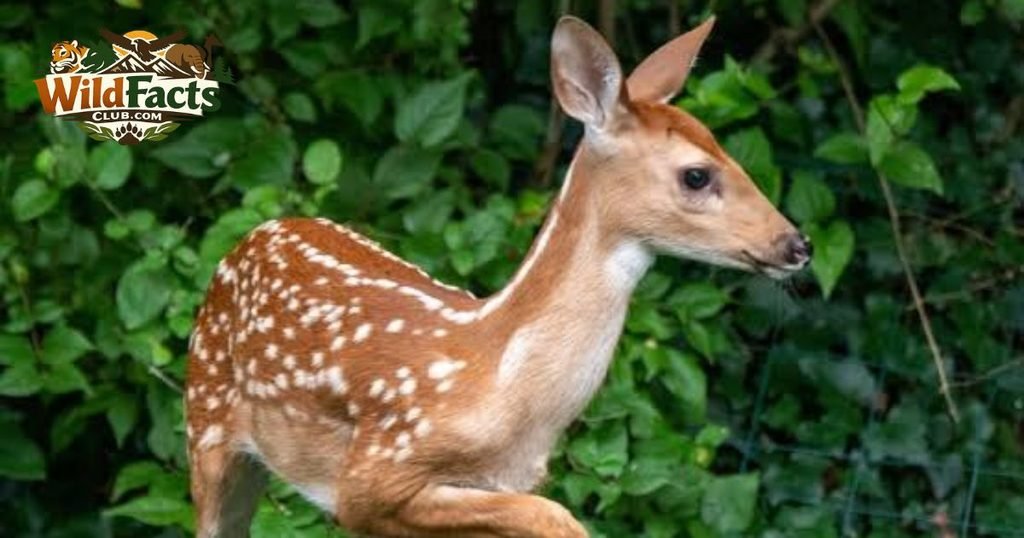
Deer are often considered skinny animals because many species have slim bodies and long, thin legs. Their body shape allows them to move quickly through forests, grasslands, and other habitats. Deer are herbivores and usually eat grass, leaves, fruits, flowers, and other plants. Their strong legs help them run and jump when they sense danger.
Deer also have excellent hearing and can detect predators from a distance. Some deer species have antlers, especially males, which are used during competition with other males. Their slim body, strong legs, and alert behavior help them survive in the wild.
Antelope
Antelopes are another group of animals with naturally slim bodies. Many antelope species have long legs, narrow bodies, and lightweight frames. They live in different parts of Africa and Asia, depending on the species. Antelopes are herbivores and eat grasses, leaves, and other vegetation. Their slim bodies help them move quickly through open habitats.
Some species can run at impressive speeds and make sharp turns to escape predators. Their body shape is especially useful because many antelopes live in areas where there are few places to hide. Speed and agility are important survival tools for these naturally skinny animals.
Greyhound
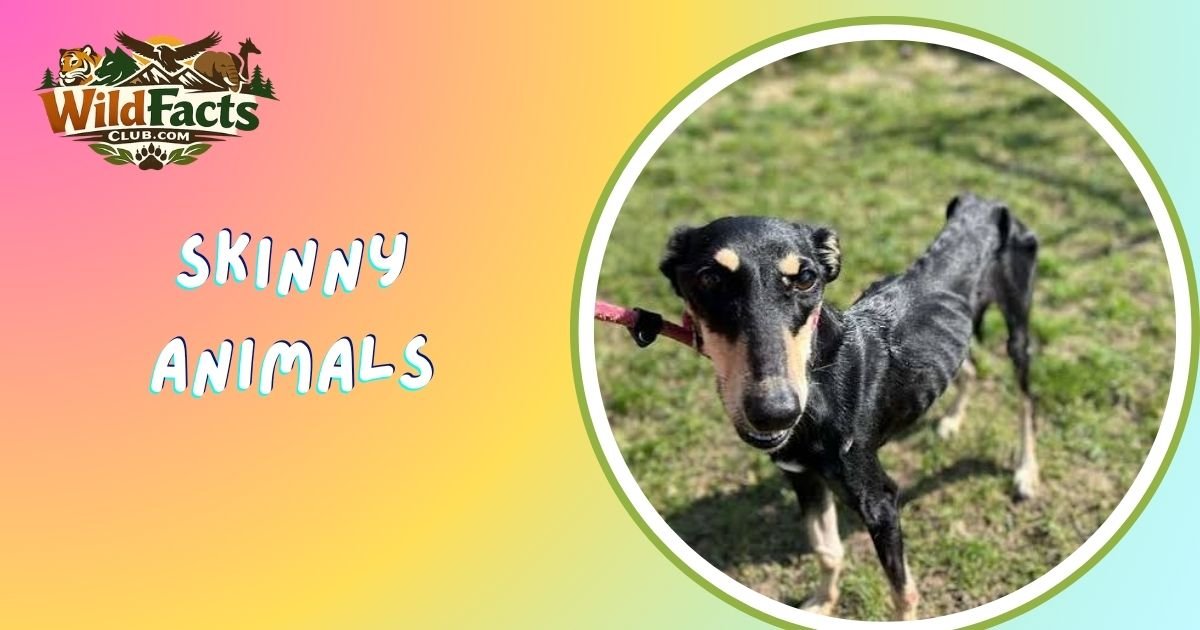
The greyhound is a dog breed known for its slim and athletic body. It has long legs, a narrow waist, a deep chest, and a lightweight frame. These features help the greyhound run very quickly. A healthy greyhound can naturally look much thinner than many other dog breeds. Its body is designed for speed rather than a heavy appearance.
Greyhounds have strong muscles even though their bodies look slim. Their short coat also makes their body shape more visible. It is important not to assume that a healthy greyhound is underweight simply because it looks skinny. Its lean appearance is normal for the breed.
Gibbon
Gibbons are slender primates that live mainly in Asian forests. They have long arms, lightweight bodies, and relatively thin frames. Their body shape helps them move through trees using a movement called brachiation, where they swing from branch to branch with their arms. Gibbons are excellent climbers and can move quickly through forest canopies.
Their long arms are especially useful for reaching distant branches. They eat fruits, leaves, and other plant materials, along with some small animal foods depending on the species. Their slim body and long arms are perfect adaptations for an active life high in the trees.
Ostrich
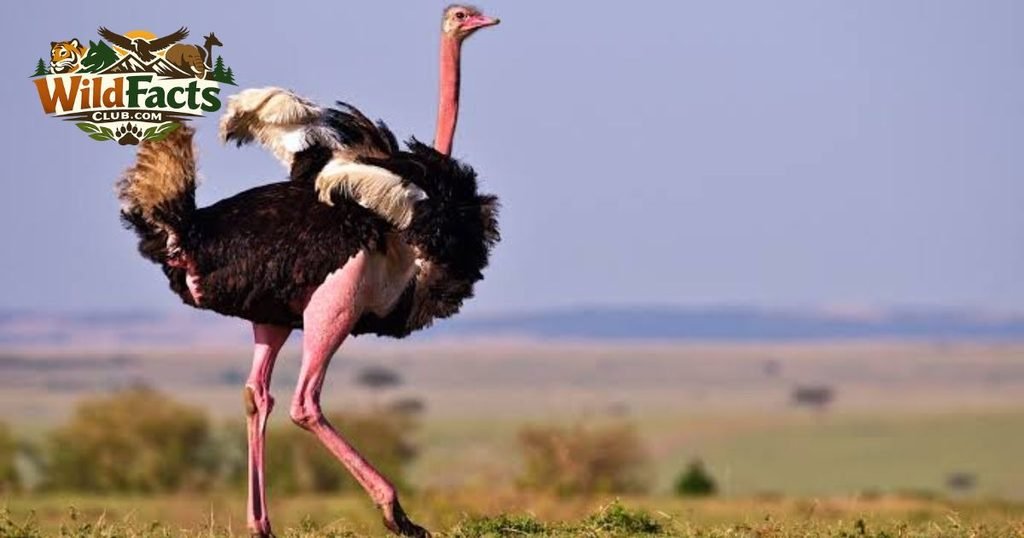
The ostrich is a large bird with a tall and slender appearance. It has an extremely long neck and long legs that make its body look skinny. Ostriches cannot fly, but they are excellent runners. Their powerful legs allow them to move quickly across open areas.
Ostriches live mainly in African habitats and feed on plants, seeds, fruits, and sometimes small animals or insects. Their height also gives them a good view of their surroundings, helping them notice danger from far away. Their long legs and lightweight body structure make them one of the most recognizable skinny-looking birds.
Snake
Snakes are among the simplest examples of animals with naturally thin bodies. Their bodies are long, narrow, and flexible, which allows them to move without legs. Different snake species have different body sizes, so some are very thin while others are thick and heavy. Slender snakes can move through grass, trees, rocks, and small spaces.
Their flexible bodies help them hunt prey and escape danger. Snakes are found in many habitats around the world. A thin snake is not necessarily unhealthy because a narrow body is a normal part of its anatomy. Their unusual body structure makes them very successful reptiles.
Horse
Horses can have naturally slim and athletic bodies, especially certain breeds. Racing horses and other athletic breeds often have long legs, narrow waists, and strong muscles. Their bodies are designed for running and endurance. A healthy horse can look lean without being unhealthy. Horses eat grass, hay, grains, and other suitable foods depending on their needs.
Their strong legs support their large bodies and allow them to run quickly. Some horse breeds are naturally heavier, while others are more slender. Body shape can therefore vary considerably between breeds. A slim horse can be healthy when its weight and body condition are appropriate.
Zebra
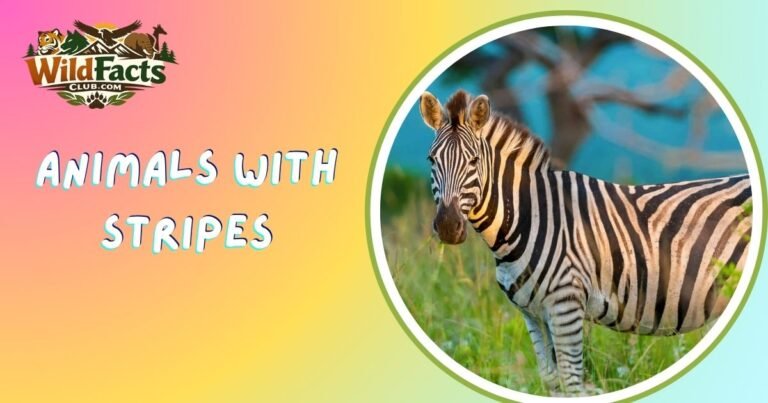
Zebras have slim, strong bodies and long legs that help them move quickly across grasslands. Their black-and-white striped coats make them easily recognizable. Zebras are herbivores and mainly eat grass. They spend a large part of their time feeding and moving between areas where food and water are available.
Their legs help them run when predators such as lions and other carnivores approach. Zebras may look thin because of their body proportions, but they have strong muscles and excellent endurance. Their lean structure allows them to travel long distances while searching for food and water in their natural habitats.
Kangaroo
Kangaroos have relatively slim upper bodies and very strong hind legs. Their body shape is designed for jumping rather than ordinary walking. Powerful back legs allow them to travel efficiently across large areas of Australia. Kangaroos also have long tails that provide balance and support.
Their diet mainly consists of grasses, leaves, and other plant materials. Some kangaroos can look skinny, especially around the upper body, because their body is specialized for movement. their legs contain powerful muscles. The kangaroo is a good example of how an animal can have a slim-looking body while still possessing considerable physical strength.
Fox
Foxes often have slim bodies, narrow faces, and relatively long legs. Their body shape allows them to move quickly and quietly while hunting. Foxes are omnivores and can eat small animals, insects, fruits, and other foods depending on their environment. Their slender bodies help them move through forests, grasslands, and urban areas.
A fox may look thin because of its narrow waist and long legs, while its thick fur can sometimes make it appear larger. Foxes are adaptable animals and can live in many different habitats. Their lean bodies support their active lifestyle and ability to search for food.
Lemur
Lemurs are primates native to Madagascar, and many species have slim bodies and long limbs. Their body shapes help them climb trees and move between branches. Different lemur species have different sizes, colors, and body proportions.
Many eat fruits, leaves, flowers, or insects. Their long tails can help with balance while moving through trees, although not every species uses its tail in exactly the same way. Some lemurs may look skinny because they have narrow torsos and long arms and legs. Their lightweight bodies are useful for an active lifestyle in forests and other natural habitats.
Flamingo
Flamingos are famous for their long, thin legs and long necks. Their bodies can look slender because their legs and necks are much longer than their bodies. Flamingos live around lakes, wetlands, and coastal areas. They feed on algae, small organisms, and other food found in water or mud.
Their long legs allow them to stand and walk through shallow water while searching for food. Their unusual body shape makes them one of the most recognizable birds in the world. Although their legs look delicate, they are strong enough to support the bird while it walks through wet environments.
Heron
Herons are tall birds with long legs, long necks, and narrow bodies. Their slender appearance helps them move through shallow water while hunting fish and other aquatic animals. A heron often stands very still before quickly extending its neck to catch prey.
Its long legs keep much of its body above the water. Herons can be found around rivers, lakes, ponds, wetlands, and coastal areas. Their thin-looking bodies are closely connected to their hunting style. Their long necks and legs give them access to shallow water environments where they can search for food efficiently.
Weasel
Weasels are small mammals with long, narrow bodies and short legs. Their body shape allows them to move through narrow spaces and follow prey into burrows. Weasels are carnivorous and commonly eat small mammals, birds, insects, and other small animals. Their flexible bodies are useful when hunting in tunnels and dense vegetation.
Although weasels are small, they are active and effective predators. Their slender shape is an important part of their hunting strategy. The long body and short legs make them look very different from many other mammals. Their appearance is a good example of an animal adapted for moving through tight spaces.
Mongoose
Mongooses are small mammals with relatively long, slim bodies and short legs. They are active animals that can move quickly when searching for food or avoiding danger. Mongooses eat a variety of foods, including insects, small animals, eggs, and other available foods depending on their species. Some species live in groups, while others are more solitary.
Their slender bodies allow them to move through grass, soil, and rocky areas. Mongooses are found in parts of Africa, Asia, and southern Europe. Their lean shape and active behavior help them search for food efficiently in their natural environments.
Squirrel
Squirrels can have slim bodies, especially species that have long tails and relatively small frames. Their bodies are designed for climbing, jumping, and moving quickly through trees. A squirrel uses its tail for balance while running along branches and making jumps.
Squirrels eat nuts, seeds, fruits, fungi, and other foods depending on the species and season. They are active animals that spend considerable time searching for and storing food. Their small and lightweight bodies make climbing easier. Although squirrels can sometimes appear round because of their fur, many have naturally lean bodies underneath their coats.
Monkey
Many monkey species have naturally slim bodies and long arms or legs. Their body shape helps them climb trees, jump between branches, and move through forests. Monkeys have different diets depending on their species, but many eat fruits, leaves, seeds, insects, and small animals.
Their flexible bodies and strong limbs allow them to move efficiently through their habitats. Some monkeys look especially skinny because they have long limbs and narrow torsos. Their body shape is generally suited to an active lifestyle. A lean monkey can therefore be perfectly healthy while still looking thin compared with other mammals.
Donkey
Donkeys can have slim and strong bodies, particularly when they live active lives or belong to naturally lean breeds. They have long ears, strong legs, and compact bodies. Donkeys are herbivores and mainly eat grasses, hay, and other plant foods. They are known for their endurance and ability to survive in challenging environments.
Some donkeys may look thin because their ribs and body structure are more visible than in heavier animals. However, an unusually thin donkey may have a health or nutrition problem. Healthy body condition should always be judged according to the animal’s age, breed, diet, and circumstances.
Camel
Camels can look thin in some areas because of their long legs, long necks, and large body structure. Their appearance is especially interesting because their humps store fat rather than water. Camels are adapted to dry environments and can survive conditions that are difficult for many other animals.
Their long legs keep their bodies farther from hot ground, while their specialized bodies help conserve water. Camels eat grasses, leaves, and other vegetation. Although they may look slim from certain angles, they have strong bodies and excellent endurance. Their unusual anatomy helps them travel across deserts and other dry environments.
Hare
Hares have slim bodies, long ears, and powerful hind legs. Their body shape is designed for quick running and sudden changes in direction. Hares are herbivores and eat grasses, leaves, herbs, and other vegetation. Their strong back legs allow them to make long jumps when escaping predators.
They usually rely on speed, alertness, and camouflage for protection. Their lightweight bodies make rapid movement easier. Hares can look skinny because of their narrow bodies and long legs, but they are active and well adapted to their environments. Their physical structure is especially useful in open habitats where speed can mean survival.
Meerkat
Meerkats are small mammals with slender bodies, pointed faces, and long tails. They live mainly in dry areas of southern Africa and are well adapted to life in warm environments. Meerkats eat insects, small animals, roots, fruits, and other available foods.
They often stand upright while watching their surroundings for predators. Their slim bodies allow them to move quickly through burrows and open ground. Meerkats also live in social groups and work together to find food and watch for danger. Their thin appearance is natural for their body type and supports their active lifestyle.
Impala
Impala are elegant antelopes with slim bodies, long legs, and curved horns in males. They live mainly in grasslands and woodland areas of Africa. Their lightweight bodies allow them to run quickly and make impressive jumps. Impalas eat grasses, leaves, shoots, and other vegetation. When predators approach, they can use speed and jumping ability to escape.
Their long legs and narrow bodies are especially useful in open habitats. Although impalas look delicate, they are athletic animals with strong legs. Their slim shape is one of the reasons they are able to move rapidly through their natural environment.
Jackal
Jackals are medium-sized wild canids with relatively slim bodies, long legs, and narrow faces. Their body shape helps them travel long distances while searching for food. Jackals are omnivores and may eat small mammals, birds, insects, fruits, and other available foods. They are highly adaptable and can live in different environments.
Their slender bodies allow them to move efficiently across grasslands, deserts, and woodland areas. Jackals may hunt alone, in pairs, or sometimes in groups depending on the species and circumstances. Their lean appearance supports an active lifestyle based on movement and opportunistic feeding.
Why Are Some Animals Naturally Skinny?
Animals can be naturally skinny because of their genes, diet, habitat, and lifestyle. A cheetah needs a lightweight body for speed, while a gibbon benefits from a lightweight body for swinging through trees. Gazelles and impalas need speed to escape predators, while flamingos have long legs for walking through shallow water.
Body shape develops over many generations as animals adapt to their surroundings. This means that a slim body can provide a real survival advantage. However, every animal species has its own normal body shape. A healthy skinny animal should not automatically be considered weak, sick, or underfed.
Are Skinny Animals Healthy?
Naturally skinny animals can be completely healthy. Their body shape may simply be normal for their species. For example, a healthy greyhound naturally has a slim body, while a healthy cheetah has a lean athletic shape. However, sudden weight loss or an extremely thin appearance can sometimes indicate illness, parasites, lack of food, or another problem.
The difference is important. Wild animals should be judged according to their normal body condition rather than human ideas about body size. If a domestic animal becomes unusually thin, a veterinarian can help determine whether there is an underlying health or nutrition problem.
Skinny Animals and Their Survival
A slim body can help animals survive in many different ways. It can make running easier, reduce the energy required for movement, and allow animals to move through narrow spaces. Long legs can improve running speed, while lightweight bodies can help climbing animals move between branches.
Predators such as cheetahs use lean bodies to chase prey, while prey animals such as gazelles use their slim bodies to escape predators. Birds with streamlined bodies use their shape for efficient flight. These examples show that animal body shapes are closely connected to survival. What may look “skinny” to humans can actually be an important biological advantage.
Final Words
Skinny animals come in many different shapes and sizes. Some are small, while others, such as giraffes, are extremely large. Cheetahs, gazelles, deer, antelopes, greyhounds, gibbons, ostriches, snakes, flamingos, foxes, kangaroos, and many other animals have naturally slim body structures.
Their thin appearance is often connected to speed, movement, climbing, hunting, or adaptation to their environment. It is important to remember that a skinny animal is not automatically unhealthy. Every species has a natural body shape that supports its way of life. Learning about these animals helps us understand how beautifully different body structures help animals survive in nature.
FAQs
What Is The Skinniest Animal In The World?
There is no single officially recognized skinniest animal in the world. Some slender snakes, worms, and other narrow-bodied animals can appear extremely thin. Their body shape is usually a natural adaptation that helps them move through small spaces or specific habitats.
What Is A Skinny Animal?
A skinny animal is an animal with a naturally slim, narrow, or lean body. Cheetahs, gazelles, greyhounds, deer, and some snakes are common examples. A slim appearance does not necessarily mean that the animal is unhealthy.
What Are Lanky Animals?
Lanky animals are animals with long, slender bodies, legs, or limbs. Giraffes, ostriches, gazelles, herons, and some primates can be described as lanky animals because of their long and narrow body proportions.
What Are Long Skinny Animals?
Long skinny animals include snakes, weasels, some lizards, and certain slender mammals. Their elongated bodies can help them move through narrow spaces, grass, trees, burrows, and other environments.
What Are Animals That Are Skinny?
Animals that are skinny include cheetahs, gazelles, giraffes, deer, antelopes, greyhounds, gibbons, ostriches, snakes, foxes, flamingos, herons, and weasels. Many of these animals are naturally lean because of their body structure and lifestyle.
What Are Skinny Tall Animals?
Skinny tall animals include giraffes, ostriches, flamingos, herons, and some antelopes. Their long legs, necks, or narrow bodies give them a tall and slender appearance.