Animals That Start With Q: 22 Amazing Animals You Should Know
Animals that start with Q are relatively uncommon, but several fascinating creatures belong to this category. They include mammals, birds, reptiles, insects, and marine animals found in different parts of the world.
From the adorable quokka to the powerful quetzalcoatlus, these animals have unique appearances, habitats, and behaviors. Exploring animals beginning with Q is an exciting way to discover wildlife, learn interesting facts, and understand the amazing diversity of nature.
List Of Animals That Start With Q
- Quokka
- Quail
- Quetzal
- Queen Angelfish
- Queen Snake
Quokka
The quokka is a small marsupial native to Western Australia, especially Rottnest Island. It is famous for its friendly appearance and naturally smiling facial expression. Quokkas are herbivores that feed on grasses, leaves, and other vegetation. They are mainly active at night and spend much of their time resting during the day. These adorable animals are popular among wildlife lovers and are protected because of their vulnerable conservation status.
Quail
Quails are small to medium-sized birds belonging to several groups within the bird family. They are found in grasslands, forests, farms, and open countryside around the world. Quails usually feed on seeds, grains, insects, and small plants. They are known for their round bodies, short tails, and quick movements. Many species prefer living on the ground and build their nests among grasses and vegetation.
Quetzal
The quetzal is a beautiful tropical bird famous for its brilliant green feathers and long tail. It is mainly found in the forests of Central America, particularly cloud forests. Quetzals eat fruits, insects, and small animals. The resplendent quetzal is especially admired for its colorful appearance and cultural importance. These birds are also associated with freedom and beauty in several Central American traditions.
Queen Angelfish
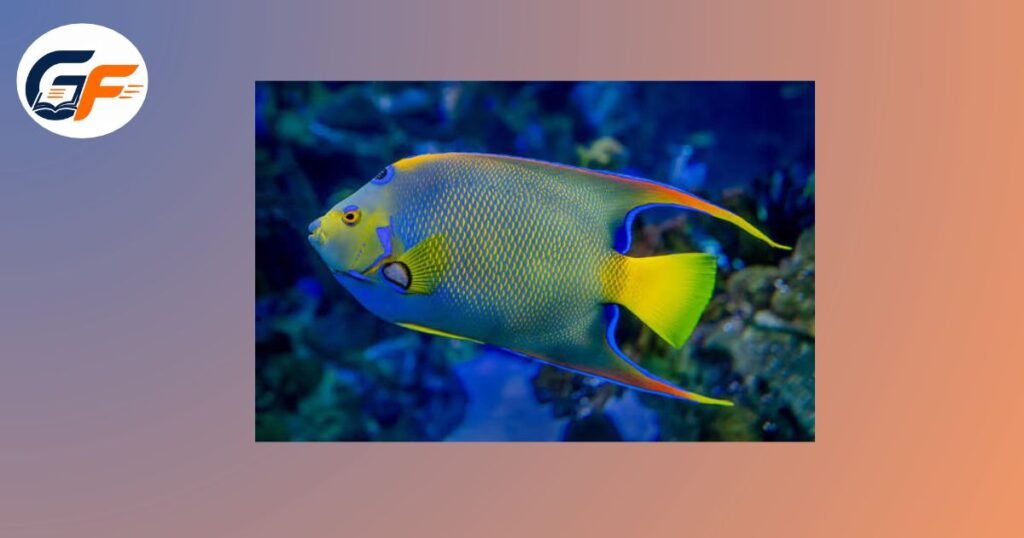
The queen angelfish is a colorful marine fish found in tropical waters of the western Atlantic Ocean and the Caribbean Sea. It has bright blue, yellow, and purple markings that make it stand out among coral reefs. These fish mainly feed on sponges, algae, and other small marine organisms. They usually live near coral formations, where they find food and shelter from predators.
Queen Snake
The queen snake is a nonvenomous freshwater snake native to parts of North America. It is commonly found near rivers, streams, and other clean water habitats. Its diet mainly consists of freshly molted crayfish. Queen snakes have slender bodies with dark stripes and usually remain close to water. They are excellent swimmers and play a useful role in maintaining balance within freshwater ecosystems.
Quoll
Quolls are carnivorous marsupials native to Australia and New Guinea. They have spotted fur, pointed faces, and sharp teeth that help them catch prey. Their diet includes insects, birds, small mammals, reptiles, and other animals. Quolls are mostly nocturnal and spend their days hiding in dens or sheltered places. Different species inhabit forests, grasslands, and rocky environments, although several face serious conservation challenges.
Quagga
The quagga was an extinct subspecies of the plains zebra that once lived in South Africa. It was recognized by its distinctive striped pattern, with stripes mainly covering the front part of its body. The rear section was mostly brown. Quaggas lived in grasslands and fed on grasses. Excessive hunting by humans led to their extinction in the nineteenth century, making them an important example of wildlife conservation history.
Quahog
The quahog is a hard-shelled marine clam commonly found along the Atlantic coast of North America. It lives buried in sandy or muddy ocean floors and feeds by filtering tiny food particles from seawater. Quahogs are commercially harvested and used in seafood dishes, soups, and chowders. They are also known as hard clams and play an important role in coastal marine ecosystems.
Queen Triggerfish
The queen triggerfish is a brightly colored marine fish found in tropical Atlantic waters, especially around Caribbean coral reefs. It has a strong body, distinctive blue and green patterns, and powerful teeth. Its diet includes sea urchins, mollusks, crustaceans, and other small marine animals. The fish uses its strong jaws to break open hard shells and find food hidden among coral formations.
Queensland Grouper
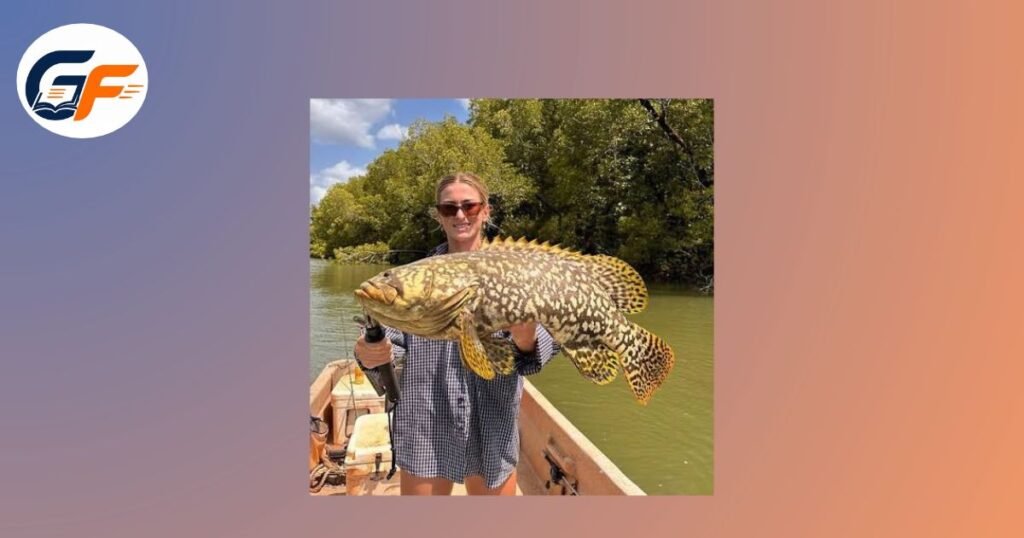
The Queensland grouper is one of the largest bony reef fish in the world. It is found in tropical waters of the Indo-Pacific region, including Australia’s Great Barrier Reef. This massive fish has a broad body and a large mouth used for catching prey. Its diet includes smaller fish, crustaceans, and other marine animals. Queensland groupers usually live near reefs and underwater structures.
Quailfinch
The quailfinch is a small African bird named for its appearance and ground-dwelling behavior, which resembles that of quails. It is commonly found in grasslands, savannas, and areas with scattered vegetation. These birds mainly feed on grass seeds and other small plant materials. Their brownish feathers provide camouflage, helping them remain hidden from predators while searching for food on the ground.
Quaker Parrot
The quaker parrot, also known as the monk parakeet, is a small green parrot native to South America. It is famous for its intelligence, social nature, and ability to build large communal nests using sticks. These birds eat seeds, fruits, vegetables, and grains. Quaker parrots are popular pets because they can learn sounds and words, although they require regular attention and mental stimulation.
Queen Conch
The queen conch is a large marine snail found in the warm waters of the Caribbean Sea and nearby Atlantic regions. It has a beautiful pink interior shell and a soft body protected by its hard outer covering. Queen conchs feed mainly on algae and organic matter. They live in sandy seagrass beds and are important members of tropical marine ecosystems.
Quillback
The quillback is a freshwater fish found in rivers and lakes of North America. It belongs to the sucker fish family and has a distinctive raised dorsal fin that gives it its unusual appearance. Quillbacks mainly feed on small aquatic organisms, insects, and plant material. They prefer freshwater environments with suitable vegetation and underwater structures that provide food and shelter.
Read More: Animals With Big Eyes: A Fascinating Guide to Nature’s Wide-Eyed Creatures
Quail-Dove
Quail-doves are ground-dwelling birds found mainly in tropical regions of Central America, South America, and the Caribbean. They have rounded bodies, short legs, and attractive feather patterns. These birds usually search for seeds, fruits, and small invertebrates on forest floors. They prefer dense vegetation because it provides protection from predators and suitable locations for nesting.
Queensland Tube-Nosed Bat
The Queensland tube-nosed bat is a fruit-eating bat associated with northeastern Australia and nearby rainforest environments. It belongs to a group of bats known for their unusual tubular nostrils. These bats mainly eat fruits and help forests by spreading seeds. They are important for natural plant regeneration because seeds carried through their feeding activities can grow in new locations.
Quillfish
Quillfish are unusual marine fish found in deep or cold ocean waters, depending on the species. They have elongated bodies and distinctive fin structures that help them move through their underwater habitats. Their appearance can differ from other common fish, making them interesting to marine researchers. They are generally less familiar than popular reef fish but contribute to the diversity of ocean life.
Quagga Catshark
The quagga catshark is a small marine shark known for its patterned body and distinctive appearance. It belongs to the catshark group and lives in marine environments. Like other small sharks, it feeds on smaller marine animals and invertebrates. Its scientific classification and distribution are subjects of marine research, highlighting how much there is still to discover about lesser-known shark species.
Queen Alexandra’s Birdwing
Queen Alexandra’s birdwing is the largest butterfly species in the world by wingspan. It is native to the rainforests of Papua New Guinea. Females are larger than males and have brown wings with cream-colored markings, while males display brighter green and black patterns. These butterflies depend on specific rainforest plants during their life cycle and are threatened by habitat destruction.
Quail Thrush
The quail thrush is a ground-dwelling Australian bird known for its spotted plumage and secretive behavior. It lives in woodland and forest habitats, where it searches among fallen leaves for insects and other small invertebrates. Its natural camouflage helps it avoid predators. Quail thrushes are generally shy birds and are more often heard or briefly spotted than easily observed.
Final Words
Animals that start with Q may not be as common as animals beginning with other letters, but they are certainly fascinating. From the adorable quokka and colorful quetzal to the queen angelfish and quoll, each animal has special characteristics and an important role in nature. Learning about these creatures helps us appreciate biodiversity and understand the importance of protecting wildlife and their natural habitats for future generations.
FAQs
What Are Some Animals That Start With Q?
Some animals that start with Q include Quokka, Quail, Quetzal, Quoll, Queen Angelfish, Queen Snake, Quahog, and Quaker Parrot. These animals belong to different groups, including mammals, birds, reptiles, and marine creatures.
What Is The Most Famous Animal That Starts With Q?
The Quokka is probably the most famous animal that starts with Q. It is a small Australian marsupial known for its adorable appearance and smiling facial expression. It is especially popular on Rottnest Island.
Are There Any Birds That Start With Q?
Yes, several birds start with Q, including Quail, Quetzal, Quailfinch, Quaker Parrot, Quail-Dove, and Quail Thrush. These birds have different appearances, habitats, and feeding habits.