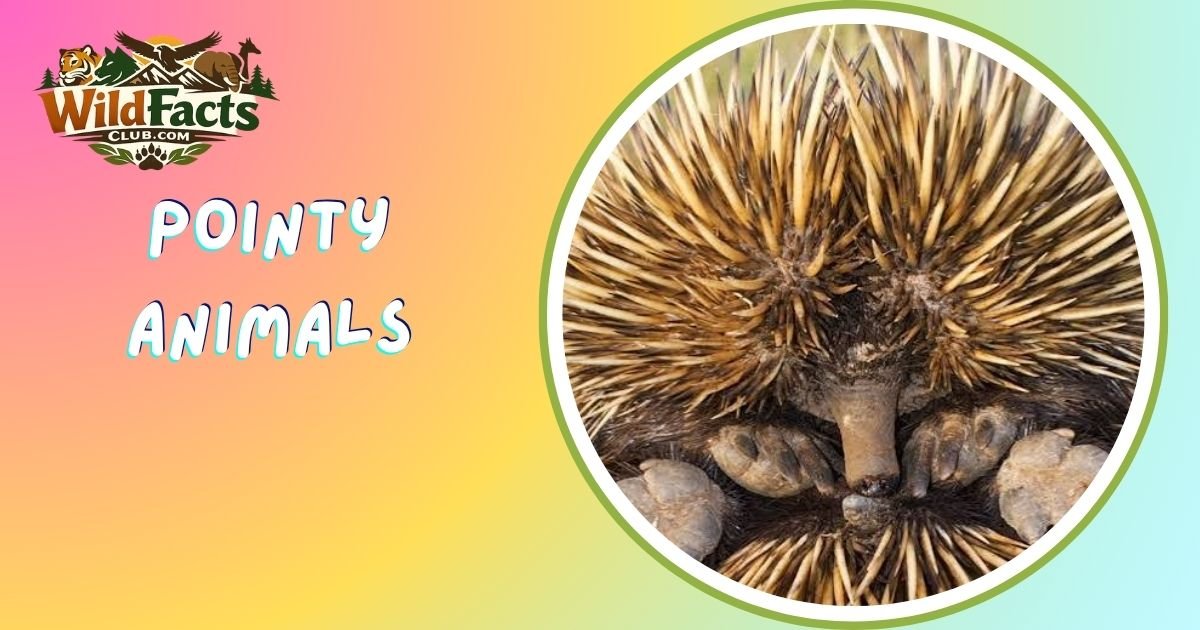
Pointy Animals: 25 Fascinating Animals With Pointed Features
Pointy animals are fascinating creatures known for their sharp, pointed, or spiky body features. These features may include pointed ears, long beaks, sharp horns, spines, claws, or needle-like quills. Many animals use these structures for protection, hunting, communication, and survival.
From hedgehogs and porcupines to eagles and foxes, nature offers countless examples of animals with pointed characteristics. Learning about pointy animals helps us understand their habitats, adaptations, and the remarkable ways they survive in the wild.
List Of Pointy Animals
- Hedgehog
- Porcupine
- Fox
- Wolf
- Eagle
- Owl
Hedgehog
Hedgehogs are small mammals famous for their pointed spines covering their backs. These spines are modified hairs that help protect them from predators. When threatened, a hedgehog curls into a tight ball, exposing its spines to discourage attacks. Hedgehogs have pointed snouts that help them search for insects, worms, and other small creatures. They are usually active at night and live in gardens, grasslands, forests, and other habitats where they can find food and shelter.
Porcupine
Porcupines are rodents recognized for their long, sharp quills. These pointed structures cover much of their bodies and serve as an important defense against predators. When threatened, a porcupine may raise its quills and turn its back toward danger. Contrary to a common myth, porcupines cannot shoot their quills, but the quills can detach when touched. Depending on the species, porcupines live in forests, grasslands, or rocky environments and feed mainly on plant material, including bark, leaves, roots, and fruits.
Fox
Foxes are intelligent mammals with pointed ears, narrow muzzles, and bushy tails. Their pointed facial features give them an alert appearance and help them detect sounds and locate food. Red foxes are especially adaptable and can live in forests, grasslands, mountains, and even urban areas. They eat a varied diet that may include rodents, rabbits, insects, birds, and fruit. Their sharp teeth and claws assist them when catching prey, while their excellent hearing helps them hunt effectively in different environments.
Wolf
Wolves are powerful wild canines with pointed ears, long muzzles, and sharp teeth. These features help them communicate, investigate their surroundings, and capture prey. Wolves often live and hunt in family groups called packs, although group size varies. They mainly feed on large and small mammals, depending on their habitat and available food. Their pointed teeth are useful for gripping and tearing meat. Wolves play an important ecological role by influencing prey populations and helping maintain balance within many natural ecosystems.
Eagle
Eagles are large birds of prey with powerful, hooked beaks and sharp talons. Their pointed beaks help tear food into manageable pieces, while their curved claws allow them to grip prey securely. Eagles have excellent eyesight, enabling them to spot potential food from considerable distances. Depending on the species, they may hunt fish, rabbits, reptiles, and other birds. Eagles build nests in tall trees or on cliffs and are known for their impressive flight abilities, strength, and importance in many ecosystems.
Owl
Owls are remarkable birds with forward-facing eyes, hooked beaks, and sharp talons. Some species also have pointed feather tufts that resemble ears, although these are not actual ears. Owls are adapted to hunting, with excellent hearing and specialized feathers that help many species fly quietly. Their pointed claws capture small mammals, insects, and other prey. Most owls are active at night, although some hunt during daylight. They occupy forests, grasslands, deserts, and other habitats across much of the world.
Cat
Cats are familiar mammals with pointed ears, sharp claws, and small, pointed canine teeth. Their flexible bodies, excellent hearing, and sensitive whiskers help them navigate their surroundings and detect movement. Domestic cats retain many hunting instincts shared with their wild relatives. They can use their claws to climb, grip objects, and defend themselves. Their pointed teeth help catch and bite prey such as mice and small birds. Cats also communicate through ear position, body posture, vocal sounds, and other subtle behaviors.
Dog
Dogs display several pointed features, including ears, muzzles, teeth, and claws, although their appearance differs greatly among breeds. German shepherds and some other breeds have especially upright, pointed ears, while breeds such as greyhounds have long, narrow muzzles. Dogs use their teeth for eating, carrying objects, and sometimes defense. Their ears help them detect sounds and express emotions. Through domestication, dogs have developed a wide range of shapes and sizes, making them one of the most diverse animal species associated with humans.
Rabbit

Rabbits are small mammals known for their long ears, strong hind legs, and pointed incisors. Their teeth continue growing throughout life, so chewing fibrous plants helps maintain appropriate tooth length. Rabbits are herbivores that eat grasses, leafy plants, and other vegetation. Their large ears can help detect approaching danger and regulate body temperature.
When threatened, rabbits may run quickly toward cover. Their pointed features are not primarily weapons; instead, they support feeding, awareness, and survival in environments where predators are common.
Deer
Deer are graceful mammals, and many male deer develop pointed antlers that grow and are shed periodically. Antlers are made of bone and are used in competition, display, and sometimes defense. Female reindeer also grow antlers, unlike most other deer species in which antlers are typically associated with males.
Deer have sensitive ears and narrow muzzles that help them detect danger and select vegetation. Their diets usually consist of leaves, grasses, shoots, and other plant material, depending on the species and season.
Rhinoceros
Rhinoceroses are large mammals recognized for their prominent horns, which give them a distinctive pointed appearance. Unlike antlers, rhino horns are composed mainly of keratin, the same protein found in human hair and nails. Rhinos use their horns during defense and interactions with other animals. Depending on the species, they eat grasses, leaves, shoots, or other vegetation. Despite their powerful bodies, rhinoceroses face serious threats from habitat loss and illegal hunting. Conservation programs are essential for protecting their remaining wild populations.
Goat
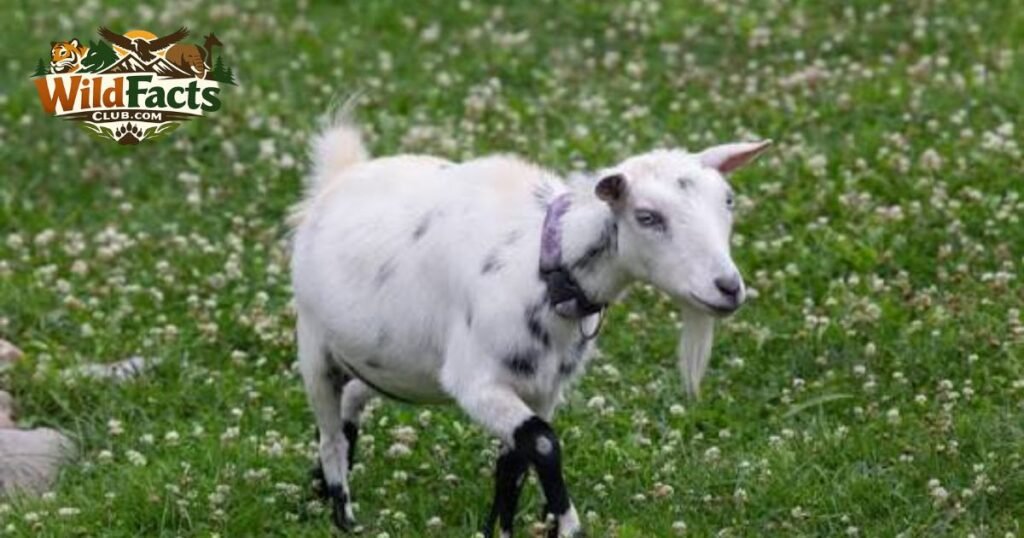
Goats are adaptable mammals that may have pointed horns, narrow muzzles, and horizontal pupils. Both males and females have horns in many breeds, although horn shape and size vary. Their horns can help with defense and competition, while their mouths are adapted for browsing leaves, shrubs, and grasses. Goats are skilled climbers and can navigate rocky slopes in search of food. Domesticated goats provide milk, meat, and fiber in many communities and are raised in environments ranging from mountain farms to dry grasslands.
Snake
Snakes have elongated bodies, flexible jaws, and sharp, pointed teeth that help them capture and hold prey. Some species, including vipers and cobras, possess specialized fangs that deliver venom, while many other snakes are nonvenomous. Snakes use their tongues to collect chemical particles from the environment, helping them investigate their surroundings. They inhabit forests, deserts, wetlands, and grasslands. Their hunting strategies vary widely, and many feed on rodents, frogs, birds, eggs, or other reptiles. Snakes play important roles in many food webs.
Shark
Sharks are marine fish with rows of sharp, pointed teeth that help many species capture and consume prey. Their teeth vary in shape according to diet, with some designed for gripping slippery fish and others for cutting flesh. Sharks also possess specialized senses that help them detect movement and chemical signals in water. They live in oceans around the world, from shallow coastal habitats to deep waters. Although some sharks can pose risks to people, most species are not dangerous to humans and are vital components of marine ecosystems.
Swordfish
Swordfish are large ocean fish known for their long, pointed bills, which resemble swords. This distinctive structure is an extension of the upper jaw and is associated with their hunting behavior. Swordfish feed mainly on fish and squid and can swim at impressive speeds. They inhabit temperate and tropical oceans and often move through different depths while searching for food. Their streamlined bodies and powerful muscles make them effective open-water predators. Swordfish are also commercially important, although responsible fishing is necessary to protect marine populations.
Stingray
Stingrays are flat-bodied fish with broad, wing-like pectoral fins and long tails. Many species possess a sharp, venomous spine near the base of the tail, which they use primarily for defense. Stingrays generally prefer to avoid confrontation and may bury themselves in sand to remain hidden. They feed on animals such as mollusks, crustaceans, and small fish. Their flattened bodies help them move along the seabed, where they are found in many coastal waters and, in some cases, freshwater habitats.
Narwhal
The narwhal is an Arctic whale famous for the long, spiral tusk that projects from the head of most adult males. This tusk is actually an elongated tooth containing sensory structures. Scientists believe it plays a role in sensing the environment and may be involved in social interactions. Narwhals live in cold Arctic waters and feed on fish, squid, and other marine animals. Their distinctive pointed tusks have earned them the nickname unicorns of the sea, making them among the most recognizable marine mammals.
Read More: Mischievous Animals: The Funniest and Most Playful Creatures in the World
Echidna
Echidnas are unusual mammals covered with sharp spines and equipped with narrow snouts. They belong to a small group of mammals called monotremes, which lay eggs instead of giving birth to live young. Echidnas use their long tongues to collect ants, termites, and other small invertebrates. When threatened, they may curl up or dig into the ground, exposing their protective spines. These animals are native to Australia and New Guinea, where they occupy forests, grasslands, and other suitable habitats.
Porcupinefish
Porcupinefish are marine fish capable of inflating their bodies when threatened. Many species have pointed spines that become more noticeable as the body expands, making the fish harder for predators to swallow. They generally inhabit tropical and subtropical waters and feed on hard-shelled invertebrates and other small marine animals. Their strong teeth help crush shells and similar food items. Some porcupinefish contain dangerous toxins, so they should never be handled or eaten without appropriate species identification and professional knowledge.
Horned Lizard
Horned lizards are reptiles with flattened bodies and pointed horns around their heads. These horn-like projections can make the lizards difficult for predators to swallow and help create a defensive appearance. Many species feed mainly on ants and other small insects. Their camouflage allows them to blend into sandy or rocky environments, making them difficult to spot. Horned lizards are found in parts of North and Central America. Their distinctive appearance demonstrates how body shape and pointed structures can support survival without relying on speed alone.
Blue Jay
Blue jays are colorful birds recognized by their blue, white, and black feathers and distinctive crests. Their pointed beaks help them collect seeds, nuts, insects, and other food. The crest can rise or flatten depending on the bird’s behavior and level of alertness. Blue jays are intelligent and can communicate using varied calls. They inhabit forests, parks, and residential areas across parts of North America. By carrying and sometimes storing acorns, they can also contribute to the spread and growth of oak trees.
Woodpecker
Woodpeckers have strong, pointed beaks adapted for drilling into wood and searching for insects beneath tree bark. Their specialized skulls and supporting structures help manage the repeated impacts involved in pecking. Many species also have long, sticky tongues that help extract insects from narrow spaces. Woodpeckers inhabit forests and wooded areas around the world, except in some regions where suitable habitat is absent. They help control certain insect populations and create tree cavities that may later provide nesting places for other wildlife.
Hummingbird
Hummingbirds are tiny birds with slender, pointed beaks adapted to reach nectar inside flowers. Different species have bills of different lengths and shapes, matching the flowers they commonly visit. They can hover in the air by rapidly beating their wings, allowing them to feed while remaining nearly stationary. Hummingbirds also eat small insects and spiders, which provide important nutrients. Found in the Americas, they play a role in pollination as they move between flowers, making their specialized beaks valuable for both feeding and ecosystem interactions.
Sword-Billed Hummingbird
The sword-billed hummingbird is famous for having an exceptionally long bill relative to its body. This pointed bill allows it to reach nectar inside long, tubular flowers that many other birds cannot easily access. It lives in parts of the Andes in South America, particularly in high-elevation habitats. Its unusual adaptation demonstrates the close relationship between flower shape and animal feeding structures. By visiting flowers for nectar, the bird can transfer pollen between plants and contribute to pollination in its mountain ecosystem.
Thorny Devil
The thorny devil is a small Australian lizard covered in pointed spines that help protect it from predators. Its rough body also provides camouflage among the dry, sandy landscapes where it lives. This lizard mainly eats ants, using its sticky tongue to collect them efficiently. Tiny channels between its scales can help move moisture across its body toward its mouth. The thorny devil’s unusual appearance and specialized adaptations show how pointed structures can contribute to protection and survival in harsh desert environments.
Why Do Animals Have Pointed Features?
Pointed features have evolved for different purposes across the animal kingdom. Sharp teeth and beaks help predators capture food, while horns and spines can discourage attackers. Pointed ears may help certain animals detect sounds, and narrow snouts can assist with searching for food. Some structures, such as the narwhal’s tusk or the swordfish’s bill, have specialized functions that scientists continue to investigate. These adaptations reflect the close relationship between an animal’s body structure, behavior, diet, and natural habitat.
Final Words
Pointy animals demonstrate the extraordinary diversity of life on Earth. From the protective spines of hedgehogs and porcupines to the sharp teeth of sharks and the long bills of swordfish, pointed features serve many important purposes.
Some help animals defend themselves, while others support hunting, feeding, communication, or environmental awareness. Learning about these creatures encourages curiosity about wildlife and the natural world. Protecting their habitats and respecting animals in the wild are important steps toward preserving these remarkable species for future generations.
FAQs
What Are Pointy Animals?
Pointy animals are animals with sharp or pointed body parts, such as horns, beaks, spines, ears, or tails. Examples include hedgehogs, porcupines, eagles, and rhinoceroses.
Which Animals Have Pointy Noses?
Animals with pointy noses include anteaters, foxes, aardvarks, hedgehogs, and certain dog breeds. Their pointed noses help them smell, search for food, or catch prey.
Why Do Some Animals Have Pointy Body Parts?
Animals develop pointy body parts for different purposes, including defense, hunting, feeding, and survival. Sharp beaks help birds catch food, while horns and spines can protect animals from potential threats.