20+ Thickest Skin Animal: Animals With Extremely Thick Skin
Animals have developed remarkable physical adaptations to survive in different environments. One of the most interesting adaptations is extremely thick skin, which can provide protection from injuries, parasites, harsh weather, and predators.
When people search for the thickest skin animal, the African elephant is often discussed because of its remarkably thick hide, especially around parts of its body. Several other animals also have unusually thick skin and protective body coverings. Let’s explore these animals and understand why their skin is so important.
What Is The Thickest Skin Animal?
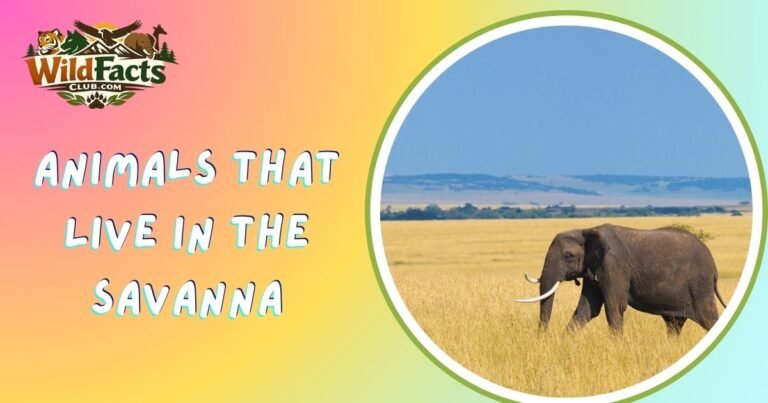
The African elephant is commonly recognized as having the thickest skin, with its hide reaching several centimeters in thickness in certain areas. Elephant skin is especially thick around the back, sides, and head, although some areas, such as the inside of the ears and around the mouth, are thinner. This thick skin protects elephants from environmental hazards and physical injuries. Elephants also have specialized skin features that help them manage heat and moisture in their natural habitats.
African Elephant
The African elephant is one of the strongest examples when discussing the thickest skin animal. Its skin can be several centimeters thick in some areas and is often covered with deep wrinkles and folds.
These wrinkles increase the surface area of the skin and can help retain moisture. Elephant skin also protects against scratches, insect bites, and rough vegetation. Despite its thickness, elephant skin is sensitive and contains many nerve endings, allowing elephants to respond to touch and irritation.
Asian Elephant
The Asian elephant also has thick, protective skin and is another important animal to consider when discussing animals with thick hides. Its skin varies in thickness across the body, with particularly thick areas around the back and sides.
Asian elephants use their trunks, tails, and ears to help protect themselves from insects and environmental conditions. Their skin can become dry and cracked, so mud and water are important for maintaining the skin and helping protect it from excessive sunlight and insects.
Rhinoceros
Rhinoceroses have extremely thick skin that acts as a strong protective barrier. Their skin can reach several centimeters in thickness in some areas and is often described as having an armor-like appearance.
Despite its tough exterior, rhino skin is sensitive and requires care. Rhinoceroses often wallow in mud, which helps cool their bodies and protects them from insects and sunlight. Their thick skin is particularly useful for an animal that lives among thorny plants and rugged environments.
Hippopotamus
The hippopotamus has thick skin that provides considerable protection, although it differs from the heavy hide of elephants and rhinoceroses. Hippo skin can be several centimeters thick in some areas and has specialized properties suited to its aquatic lifestyle.
Hippos spend much of their day in water or mud to help regulate body temperature. Their skin also produces a reddish oily secretion that helps protect it from drying and may provide some protection against sunlight and microorganisms.
Read More: Bipedal Animals: Amazing Animals That Walk on Two Legs
Giraffe
Giraffes have relatively thick skin, particularly around their legs and body. Their skin provides protection from thorny vegetation that they commonly encounter while feeding. Giraffes often browse on acacia and other plants containing sharp thorns, so a strong outer layer is useful. Their skin also supports their tall body structure and helps protect tissues underneath. Although giraffe skin is not generally considered as thick as elephant or rhinoceros skin, it is still an important adaptation for survival.
Whale Shark
The whale shark is another remarkable animal with unusually thick skin. Unlike many fish, whale sharks have a skin layer that can be several centimeters thick. This provides physical protection and contributes to their streamlined body structure.
Their skin is covered with tiny tooth-like structures called dermal denticles, which can influence water flow around the body. Whale sharks are enormous filter-feeding fish, and their thick skin helps protect them as they move through marine environments.
Crocodile
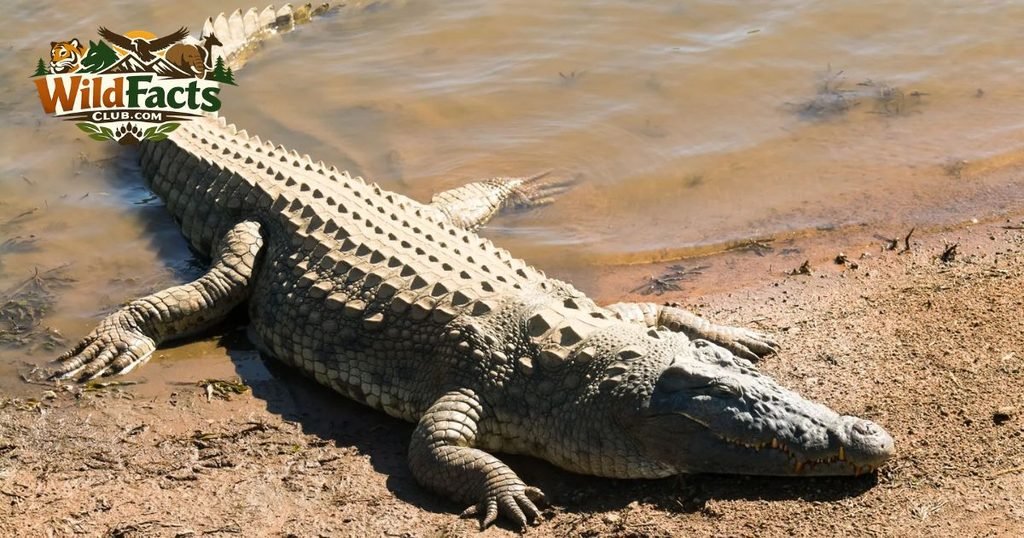
Crocodiles have highly protective skin that combines thick scales with bony structures called osteoderms. These structures are embedded within the skin and provide additional protection. Crocodile skin is especially strong across the back, where the body is covered with rows of hardened scales.
The underside is generally softer and more flexible. Their protective skin helps crocodiles survive attacks, physical impacts, and harsh environments while also providing a barrier against water loss and environmental conditions.
Alligator
Alligators also have tough skin reinforced by scales and osteoderms. Their backs are covered by hard, raised plates that provide protection from physical injuries. The skin on the belly is comparatively smoother and more flexible.
Alligator skin has another important function: the animals possess sensory structures that help them detect movement and changes in their surroundings. Their combination of tough external covering and sensory ability makes their skin an important part of their survival strategy.
Armadillo
Armadillos are famous for their protective body covering. Their skin develops into hardened plates made largely from keratin, creating a type of natural armor. These plates cover much of the animal’s body and protect from predators and environmental hazards.
The exact arrangement varies among armadillo species. Unlike elephants and rhinos, armadillos do not simply rely on thick, flexible skin. Instead, their skin and underlying structures form a protective shell-like covering that makes them especially distinctive among mammals.
Warthog
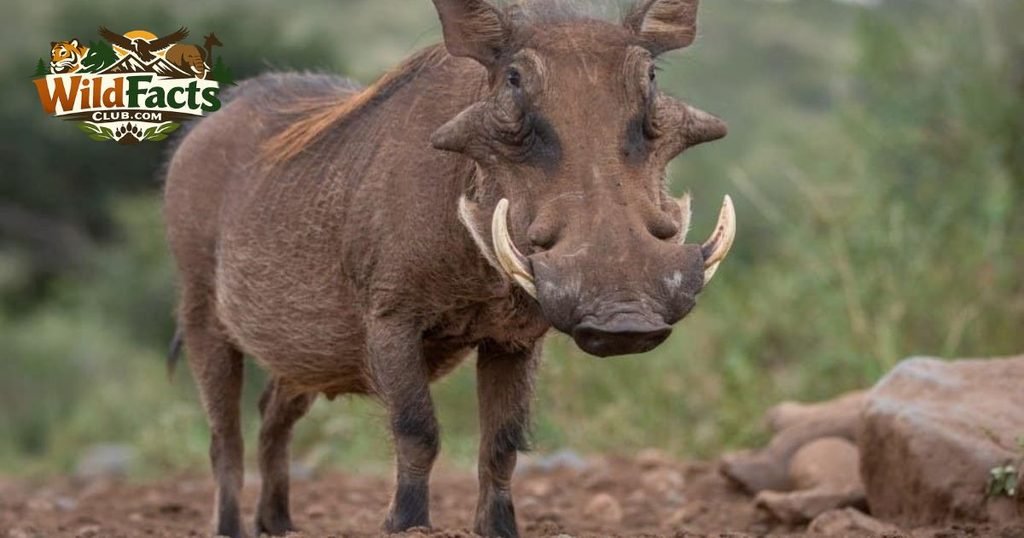
Warthogs have thickened areas of skin on parts of their bodies, particularly around the face and shoulders. These areas can protect them during fights with other animals and from environmental hazards.
Male warthogs may engage in confrontations using their tusks, making protective facial structures particularly useful. Their skin is also adapted to life in warm African environments. Warthogs frequently use mud to cool themselves and help protect their skin from insects and intense sunlight.
Wild Boar
Wild boars have thick skin and a particularly tough layer around the shoulders and neck. This protective region is sometimes called a shield because it can help protect males during fights. The skin and underlying tissues can reduce the impact of tusk injuries.
Wild boars also have coarse hair and strong bodies adapted for digging and moving through dense vegetation. Their tough exterior is therefore useful for both protection and everyday activities in challenging habitats.
Why Do Animals Have Thick Skin?
Thick skin can provide animals with several survival advantages. It can act as a physical barrier against scratches, bites, thorns, and other sources of injury. In some species, thick skin also helps reduce water loss or protect against harsh environmental conditions.
Some animals combine thick skin with scales, hair, fat, or bony structures for additional protection. However, thick skin is not necessarily an indication that an animal is invulnerable. Many thick-skinned animals still have sensitive areas and require careful environmental conditions.
Thick Skin Helps Protect Against Predators
For many animals, thick skin can serve as a defensive adaptation. Large herbivores such as elephants and rhinoceroses may encounter predators or aggressive members of their own species.
A thick hide makes it more difficult for teeth or claws to penetrate deeply. Crocodilians have an additional advantage because their skin contains protective osteoderms. However, defense is not the only reason for thick skin. Body size, horns, tusks, behavior, social groups, and habitat all contribute to an animal’s overall survival strategy.
Thick Skin And Temperature Regulation
Thick skin does not always mean that an animal stays warmer. Some large animals have specialized skin adaptations that help them manage heat. Elephants, for example, have large ears that help release heat, while their wrinkled skin can help hold moisture after bathing or wallowing.
Hippopotamuses use water and mud extensively for temperature regulation. These examples show that thick skin can work together with other physical and behavioral adaptations rather than functioning as a simple layer of insulation.
Thick Skin Protects Against Insects
Insects can be a major nuisance for animals living in warm environments. Thick skin can provide some protection against biting insects, although it does not completely prevent insect bites.
Elephants frequently use their trunks to spray water or dust over their bodies, while hippos spend long periods in water. Mud can create an additional physical barrier on the skin. These behaviors demonstrate that animals with thick skin still use environmental materials and behavioral adaptations to protect themselves from insects.
Thick Skin In Marine Animals
Some marine animals also have remarkably thick skin. The whale shark is a well-known example because its skin can be several centimeters thick and is reinforced with dermal denticles.
Marine mammals such as whales also have specialized skin, although their adaptations differ from those of land animals. Thick skin in aquatic animals can help protect against physical damage and support their bodies as they move through water. Marine environments create different challenges, so their skin has evolved accordingly.
Is Thick Skin The Same As Tough Skin?
Thick skin and tough skin are related but do not mean the same thing. Thickness refers mainly to how deep the skin or hide is, while toughness describes how resistant the tissue is to tearing, puncturing, or other damage.
An animal can have relatively thick skin that is still sensitive. Crocodiles, for example, have tough protective scales and osteoderms, while elephants have thick but highly sensitive skin. Scientists consider several structural properties when describing an animal’s skin.
Which Animal Has The Thickest Skin?
There is no single universally accepted answer for every measurement because skin thickness varies between species and different parts of the same animal’s body. African elephants are among the most commonly cited animals for exceptionally thick skin, with certain areas reaching several centimeters.
Rhinoceroses and hippopotamuses also have very thick skin, while whale sharks are notable among fish. Therefore, the answer depends on whether the comparison considers maximum thickness, average thickness, a particular body region, or the entire skin structure.
Thickest Skin Animal Compared With Humans
Human skin is much thinner than the hides of animals such as elephants, rhinoceroses, and hippopotamuses. Human skin varies in thickness depending on the body region, with areas such as the palms and soles being thicker than many other locations.
Animal skin has evolved according to each species’ environment and lifestyle. Large mammals that regularly encounter thorns, physical impacts, insects, or intense sunlight may benefit from thicker protective coverings. Humans instead rely on clothing, shelter, tools, and other adaptations for protection.
Final Thoughts
The thickest skin animal is often associated with the African elephant because of its exceptionally thick hide in several parts of its body. Rhinoceroses, hippopotamuses, crocodiles, alligators, whale sharks, and armadillos also have impressive protective skin adaptations.
Thick skin can help animals deal with predators, insects, rough vegetation, physical impacts, sunlight, and other environmental challenges. Each species has developed its skin differently according to its habitat and lifestyle, making animal skin an interesting example of adaptation in nature.
FAQs
What Is The Thickest Skin Animal?
The African elephant is commonly considered one of the animals with the thickest skin. Its hide can reach several centimeters in thickness in some areas of the body.
Which Animal Has The Thickest Skin In The World?
African elephants are among the animals known for exceptionally thick skin. Rhinoceroses and hippopotamuses also have very thick skin that protects them from environmental hazards.
Why Do Elephants Have Such Thick Skin?
Elephants have thick skin that helps protect them from scratches, insect bites, thorny vegetation, and other environmental hazards. Their wrinkled skin can also help retain moisture.