Energetic Animals: The Fascinating World of Nature’s Most Active Creatures
Animals come in many shapes, sizes, and personalities. Some are calm and slow-moving, while others seem to have an endless supply of energy. Energetic animals are fascinating creatures that spend much of their time running, jumping, climbing, swimming, flying, hunting, playing, or exploring their surroundings. Their remarkable energy helps them survive in challenging environments, find food, escape predators, protect their young, and interact with members of their species.
From the powerful cheetah racing across African grasslands to the playful dolphin swimming through the ocean, energetic animals demonstrate the incredible abilities of the natural world. Their activity levels are influenced by their body structure, diet, habitat, behavior, and survival needs. Understanding these animals gives us a greater appreciation for wildlife and the complex ways in which different species have adapted to life on Earth.
What Makes an Animal Energetic?
An energetic animal is generally one that is highly active and frequently moves throughout the day or night. Energy does not always mean speed. An animal can be energetic because it spends long periods searching for food, traveling across large territories, swimming, climbing, digging, or caring for its young.
Different animals use their energy in different ways. Predators may need short bursts of tremendous speed to catch prey. Herbivores may travel many kilometers in search of vegetation and water. Birds can use enormous amounts of energy during flight and migration. Marine animals may continuously swim to find food or maintain their position in moving water.
The amount of energy an animal requires depends heavily on its metabolism. Smaller animals often have faster metabolic rates and may need to eat frequently. Larger animals can store more energy but may require enormous quantities of food to support their bodies.
List Of Animal Energetic
- The Cheetah
- Dolphins
- Horses
- Monkeys
- Birds
- Squirrels
- Kangaroos
- Wolves
- Ants
The Cheetah: The Speed Champion
The cheetah is one of the most famous energetic animals in the world. Known for its extraordinary speed, the cheetah can accelerate rapidly when chasing prey. Its slim body, long legs, flexible spine, and large nasal passages are adaptations that support high-speed movement.
A cheetah does not normally run at maximum speed for long periods. Instead, it relies on a short, powerful burst of energy during a hunt. It carefully approaches its prey before suddenly accelerating. This strategy allows the animal to conserve energy and increase its chances of successfully catching prey.
Although speed is its greatest advantage, the cheetah also spends considerable time resting after a chase. High-speed running requires tremendous physical effort, so recovery is essential.
Dolphins: Energetic Ocean Explorers
Dolphins are among the most active marine mammals. They are intelligent, social, and constantly interacting with their environment. Dolphins swim through oceans and rivers, communicate using clicks and whistles, hunt for food, and frequently play with one another.
Their streamlined bodies allow them to move efficiently through water. They can make quick turns and sudden changes in direction while hunting fish and other prey. Some dolphins also leap out of the water, creating spectacular displays of energy.
Social behavior is another important part of dolphin life. They often travel in groups called pods. Cooperation helps them find food, protect young animals, and communicate with one another.
Horses: Powerful and Active Animals
Horses are another excellent example of energetic animals. Their strong legs and muscular bodies allow them to run quickly and travel considerable distances. Wild horses may spend many hours each day moving around while searching for grass and water.
Horses also have a strong flight response. When they sense danger, they can rapidly run away from predators. Their powerful muscles and excellent hearing help them react quickly to threats.
Domestic horses can also be highly energetic. Their activity levels vary according to breed, age, environment, diet, and training. Regular movement is important for maintaining their physical strength and healthy behavior.
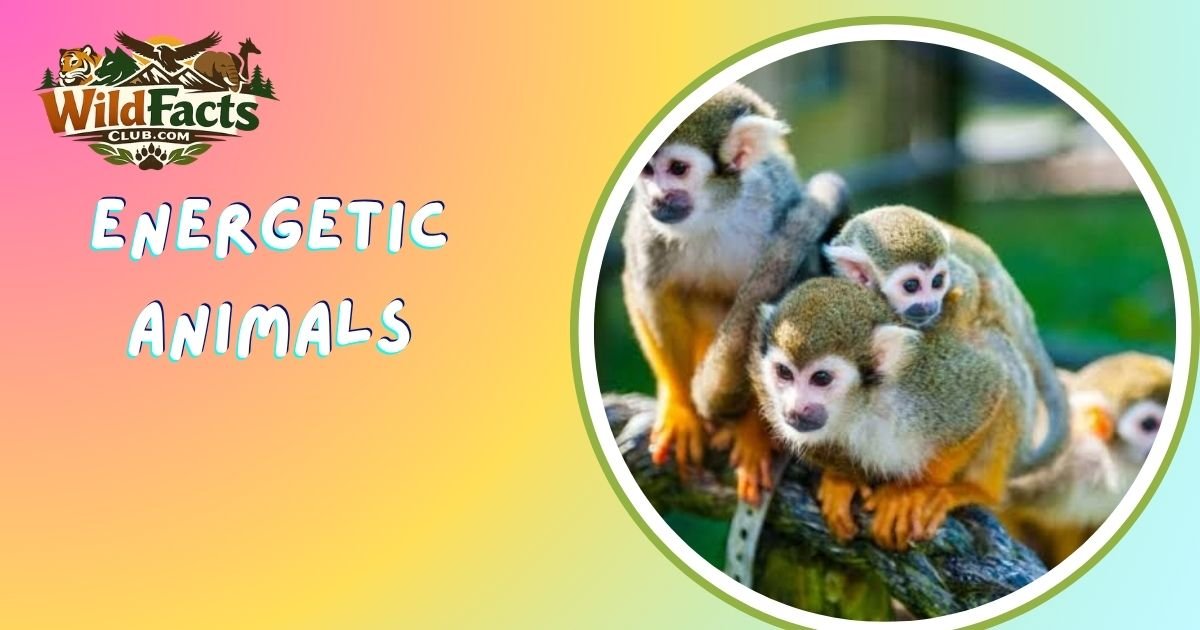
Monkeys: Agile Forest Acrobats
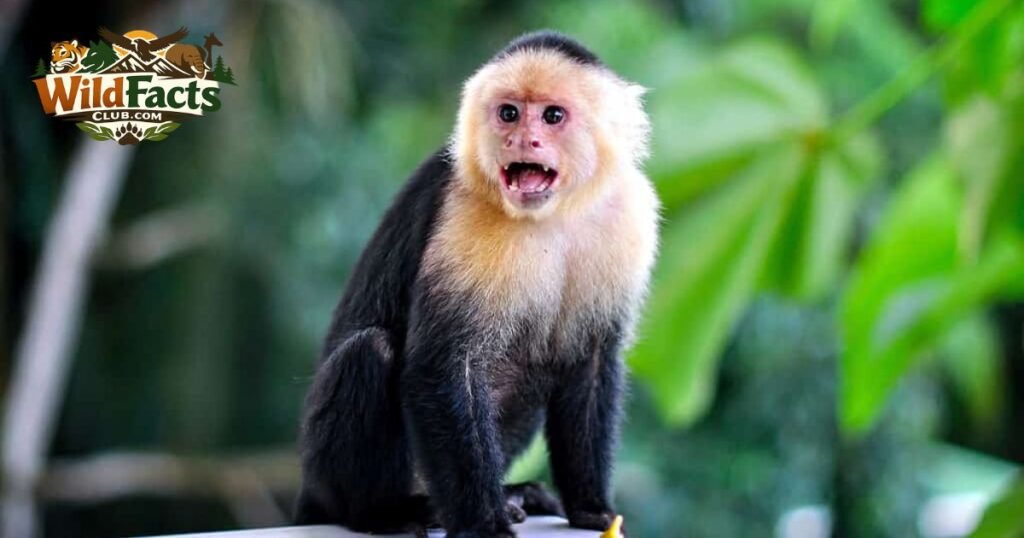
Many monkey species are extremely active. They climb trees, leap between branches, search for fruit, communicate with their groups, and care for their young. Their flexible limbs, gripping hands, and strong muscles allow them to move through forests with remarkable agility.
Monkeys often spend much of their day searching for food. Depending on the species, their diet may include fruits, leaves, seeds, insects, flowers, and small animals. Finding enough food requires constant movement.
Young monkeys are particularly energetic. They frequently play, chase one another, climb, and practice physical skills. These activities are not simply entertainment; play can help young animals develop coordination and learn behaviors needed for survival.
Birds: Masters of Movement
Birds are among the most energetic animals because flight requires considerable physical effort. Their wings and powerful chest muscles allow them to lift their bodies into the air and travel across large distances.
Some birds are especially active during migration. Migratory birds may travel thousands of kilometers between breeding and feeding grounds. Such journeys require enormous amounts of energy, so birds often need to eat large quantities of food before and during migration.
Hummingbirds are particularly remarkable. Their wings beat extremely rapidly, allowing them to hover in one place while feeding on nectar. Their high activity level means they need frequent access to food.
Squirrels: Small Animals With Big Energy

Squirrels may be small, but they are incredibly active. They climb trees, jump between branches, search for nuts and seeds, and store food for later. Their quick movements help them avoid predators. One of the most interesting squirrel behaviors is food caching.
A squirrel may collect food and hide it in different locations. Later, it uses its memory and sense of smell to find the stored food. Squirrels are particularly active during daylight hours in many environments. Their constant movement is closely connected to finding and protecting food.
Kangaroos: Powerful Jumpers
Kangaroos are famous for their ability to hop across large distances. Their powerful hind legs and large feet make them highly efficient movers. Instead of walking normally at moderate speeds, kangaroos can use hopping as an effective method of traveling.
Their tails also play an important role in balance and movement. Kangaroos can cover considerable distances while searching for grass, leaves, and water.
Their energetic movement is particularly useful in Australia’s open landscapes, where food and water may be spread over large areas.
Wolves: Energetic Team Hunters
Wolves are powerful and active predators that often live and hunt in social groups called packs. Hunting as a group requires communication, coordination, and physical endurance.
A wolf pack may travel long distances while searching for prey. Wolves use their strong senses of smell and hearing to locate animals. During a hunt, they may chase prey over considerable distances.
Their energy is not limited to hunting. Wolves also communicate through vocalizations, body language, and scent marking. They interact with other members of their pack and help care for their young.
Ants: Tiny Creatures With Incredible Energy
Ants demonstrate that energetic animals do not have to be large. Individual ants are tiny, but colonies can display extraordinary levels of activity.
Worker ants may spend much of their time collecting food, digging tunnels, caring for larvae, defending the colony, and transporting materials. Some ants can carry objects that are much heavier than their own bodies.
Their activity is organized through cooperation. Different ants perform different tasks, allowing the colony to function efficiently.
Why Do Animals Need So Much Energy?
Energy is essential for almost every biological process. Animals need energy to move, grow, reproduce, maintain body temperature, digest food, and protect themselves. Predators require energy for hunting. Prey animals require energy for escaping predators. Migratory animals need energy for long journeys. Parents need energy to care for offspring. Food is the main source of this energy. Animals obtain energy by consuming plants, other animals, or both.
The nutrients in food are processed by their bodies and converted into usable energy. The relationship between food and energy is particularly important in ecosystems. Plants capture energy from sunlight through photosynthesis. Herbivores obtain energy by eating plants, and carnivores obtain energy by eating other animals. In this way, energy moves through food chains.
Energetic Animals and Their Habitats
An animal’s environment strongly influences its activity. A dolphin’s energetic lifestyle is suited to the ocean, while a monkey’s climbing abilities are suited to forests. Grassland animals often need to travel long distances to find food and water.
Desert animals may have developed behaviors that help them conserve energy because food and water are limited. Some energetic animals are active during the day, while others are active at night. Nocturnal animals often have specialized senses that allow them to hunt or search for food in darkness.
Energy Conservation Is Also Important
Being energetic does not mean an animal is active every minute. Many animals alternate between periods of intense activity and rest. Predators may rest after hunting. Birds may stop to feed and recover during migration. Large mammals may spend hours resting to conserve energy.
This balance is essential. If an animal uses more energy than it obtains from food, it may become weak and unable to survive. Successful animals have evolved behaviors that help them use energy efficiently.
The Role of Play in Energetic Animals
Play is common among young mammals and some birds. Young animals may chase one another, wrestle, jump, climb, and practice hunting behaviors. Although play appears entertaining, it can serve important purposes. It helps young animals develop strength, balance, coordination, communication skills, and social behavior.
For example, young predators may practice chasing and capturing objects. Young monkeys may climb and jump through trees. These activities prepare them for the challenges of adulthood.
Energetic Animals and Survival
Energy gives animals the ability to respond to challenges. A fast animal can escape danger. A strong animal can defend itself. An agile animal can move through difficult environments. Energy also supports reproduction.
Animals often need to search for mates, compete with rivals, build nests, protect territories, and raise offspring. In many species, the healthiest individuals are those that can successfully balance energy intake with energy expenditure.
Read More: Cleanest Animal in the World: Discover Nature’s Most Hygienic Animals
Human Responsibility Toward Energetic Wildlife
Many energetic animals face threats caused by human activities. Habitat destruction, pollution, climate change, hunting, and loss of food sources can make survival more difficult. Protecting wildlife requires preserving natural habitats and reducing environmental damage. National parks, wildlife reserves, responsible tourism, and conservation programs can help protect animal populations.
People can also support wildlife by avoiding unnecessary disturbance of wild animals and learning about local ecosystems. Education is one of the most powerful tools for conservation because people are more likely to protect animals when they understand their importance.
Final Words
Energetic animals are some of the most fascinating creatures on Earth. From cheetahs sprinting across grasslands and dolphins racing through the ocean to monkeys climbing through forests and birds traveling across continents, these animals demonstrate the remarkable ways life adapts to different environments.
Their energy is not simply about speed or constant movement. It is connected to survival, food, reproduction, communication, exploration, and protection. Every energetic animal has developed unique abilities that help it succeed in its habitat.
Studying energetic animals also reminds us of the importance of maintaining healthy ecosystems. When habitats are protected, animals have access to the food, water, shelter, and space they need to thrive.
The natural world is full of movement and energy. By observing and protecting energetic animals, we gain a deeper understanding of nature and our responsibility to preserve the incredible diversity of life on our planet.
FAQs
What Are Energetic Animals?
Energetic animals are species known for being highly active, fast-moving, and physically powerful. They often spend much of their time running, jumping, hunting, climbing, or exploring.
Which Animal Is Considered The Most Energetic?
Animals such as cheetahs, dolphins, squirrels, and monkeys are known for their energetic behavior. The most energetic animal can vary depending on whether speed, activity level, or endurance is considered.
Why Are Some Animals So Energetic?
Animals may be highly energetic because they need to find food, escape predators, protect their territory, or care for their young. Their active lifestyle helps them survive in their natural environment.
What Are Some Examples Of Energetic Animals?
Some common examples include cheetahs, horses, dolphins, squirrels, monkeys, kangaroos, and dogs. These animals are known for their movement, agility, curiosity, or endurance.